
Care for dogs
Grooming, training, and everyday care tips for your dog.

Build useful everyday skills with reward-based training, careful socialization and a safe routine for a strong, active American Bulldog.
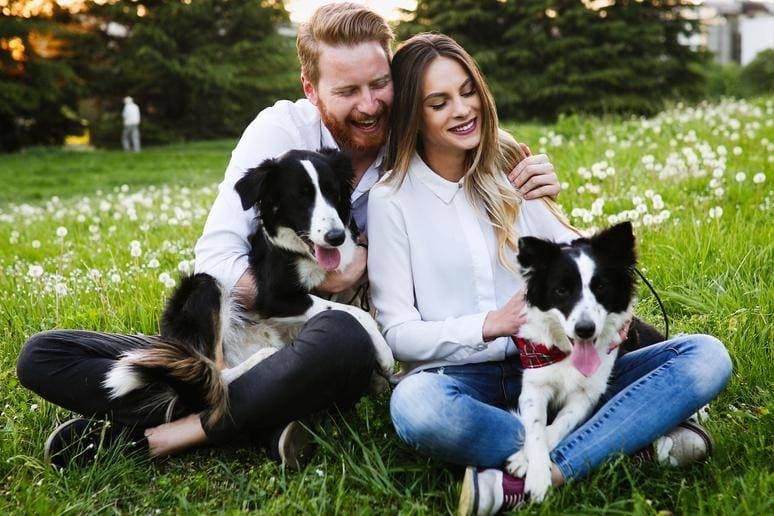
Help the whole household teach useful skills with consistent cues and humane methods, while avoiding punishment, food-bowl tests and unrealistic promises.

Build a dependable care routine around your pet’s species, health, preferences and daily needs, with gentle handling and realistic planning.

Plan safer runs with your dog by considering health, gradual conditioning, weather, terrain, equipment and the signs that mean it is time to stop.

Build useful skills in a Pekingese or other small dog through rewards, comfortable handling and realistic routines, without slaps or dominance rules.

Work through the practical questions before bringing a dog home, including daily care, training, household agreement and plans for unexpected changes.

Help a puppy move towards independent meals with suitable growth food, measured portions and veterinary guidance instead of guessed supplements.

Protect your dog's teeth and mouth with suitable chew toys and gentle play, and avoid exercises that suspend, overload or deliberately intensify its bite.

Understand why dogs may bite and how management, veterinary assessment and humane behavior support can reduce risk.

Read your dog’s behavior in context and use predictable routines, clear cues and respectful handling to improve everyday communication.

Build a practical dog-care routine with suitable food, gentle training, grooming, exercise and preventive veterinary care.

Keep paws comfortable with gentle inspections, appropriate nail trimming and prompt care for broken nails or painful pads.

Decide whether your dog needs a winter coat and learn how to manage cold walks, wet fur, paw care and signs of dangerous chilling.
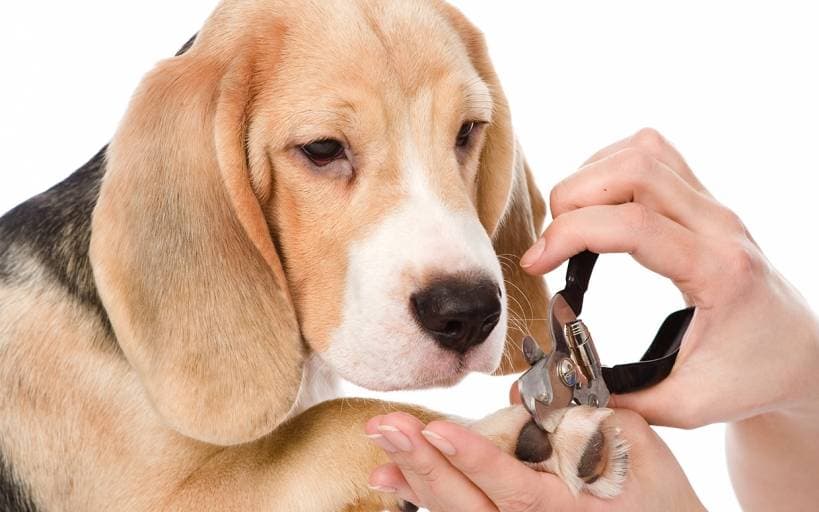
Find out when dogs need trimming, how coat types differ and why calm handling and professional help matter for safe grooming.
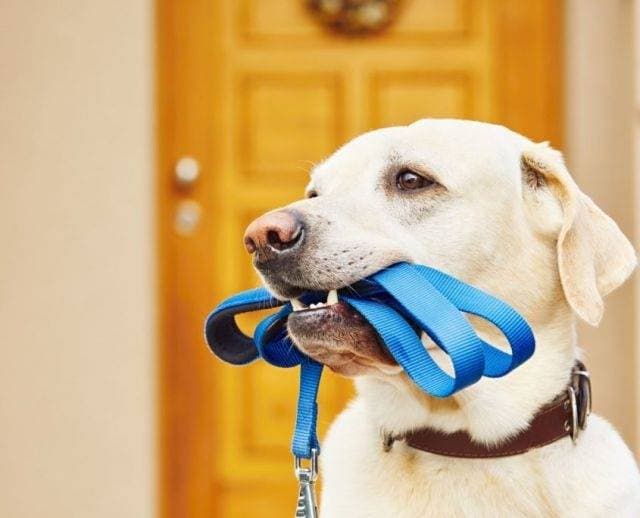
Compare fixed leashes, long lines and retractable designs, and learn how fit, condition and training affect safe walks.

Recognize changes in your dog’s appetite, skin, breathing and behavior, and learn when to contact a veterinarian urgently.
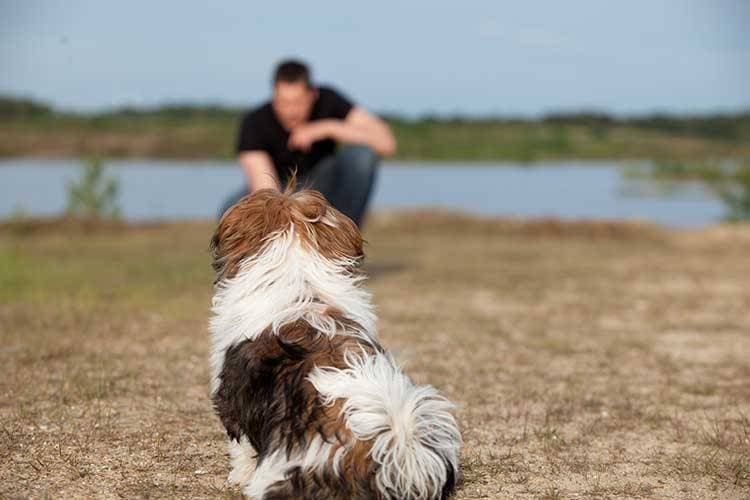
Improve training by choosing clear goals, rewarding promptly, adjusting distractions and noticing when a dog needs an easier task or a health assessment.

Teach useful early skills with clear cues, rewards and short sessions, while keeping a puppy safe around traffic and unfamiliar dogs.

Support a growing puppy with gentle grooming, a complete growth diet and suitable chew toys, while noticing changes that need veterinary advice.

Prepare for a new dog with safe spaces, reliable care arrangements and gentle teaching, while building a health plan around the individual animal.

Review nine everyday choices that affect a pet's welfare, from planning and training to nutrition, preventive care and support during absences.

Prepare safer car journeys with suitable restraints, gradual practice, temperature control and a plan for breaks and motion sickness.
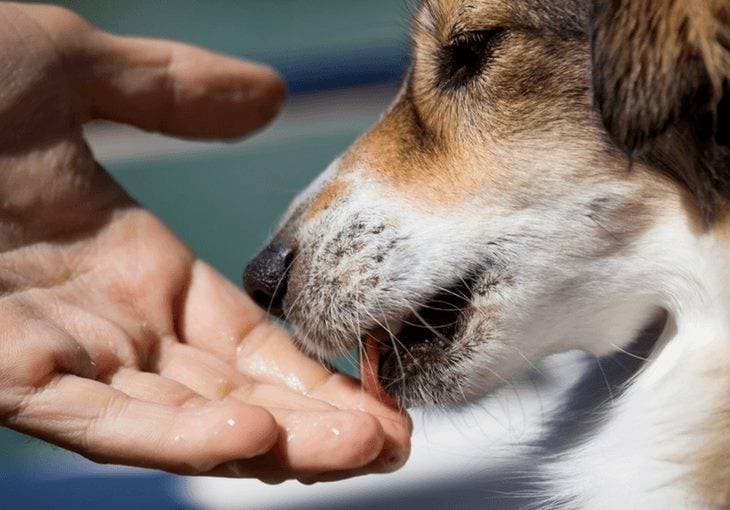
Understand how intestinal parasites affect puppies and adults, why symptoms alone cannot identify a worm and how to build a suitable prevention plan.

Choose comfortable equipment, teach loose-leash skills and adapt walks to your dog's age, health and surroundings for calmer outings together.