American Bulldogs are strong dogs whose size makes good everyday manners particularly valuable. Training should begin with clear communication and manageable tasks. Shouting, wrestling with the dog or trying to establish dominance does not explain what you want it to do.
An owner who feels overwhelmed should seek support early. A skilled trainer teaches the person as well as the dog, so the behavior learned in a lesson can be practiced safely at home.
Choose a suitable training approach
The AVSAB position on humane dog training supports reward-based methods. Ask a trainer how they respond when a dog is frightened, overexcited or unsuccessful. Avoid promises of instant control or a guaranteed protective dog, and be cautious of methods that depend on pain or intimidation.
A group class can be useful for a comfortable dog, but it is not automatically the best setting for every individual. Dogs that bark, lunge or cannot settle near others may need greater distance and private sessions before entering a busy class.
Teach skills that make daily life easier
Begin with responding to a name, coming when called, walking on a loose leash and settling on a mat. Practice in a quiet room first. Add outdoor distractions gradually, keeping rewards ready before the dog becomes too excited to learn.
For greetings, reward four paws on the ground and allow a visitor to approach only when the dog is comfortable. Use a gate or another room when you cannot supervise an arrival. Rehearsing jumping at the door makes the eventual lesson much harder, especially with a powerful adolescent.
Teach an exchange for toys and household objects. Offer something worthwhile, reward releasing the item and return safe objects when appropriate. Repeatedly taking food or toys away to prove authority can create anxiety about people approaching valuable possessions.
Socialization should feel safe
Introduce different people, sounds, surfaces and surroundings in short, pleasant sessions. Socialization is not a requirement to greet every dog or tolerate rough handling. A puppy that watches calmly from a distance is learning something useful too.
Use a secure harness or collar, a suitable leash and fencing appropriate for the individual dog. Consider the safety of cats, small pets and unfamiliar dogs without assuming that breed alone predicts every interaction. Introductions should be planned and supervised, with separate spaces available.
Children and dogs need active adult supervision. Keep play calm enough that the dog can respond to familiar cues, and protect its resting and feeding spaces. Even a friendly dog can knock a child over through enthusiasm or size.
Balance activity and rest
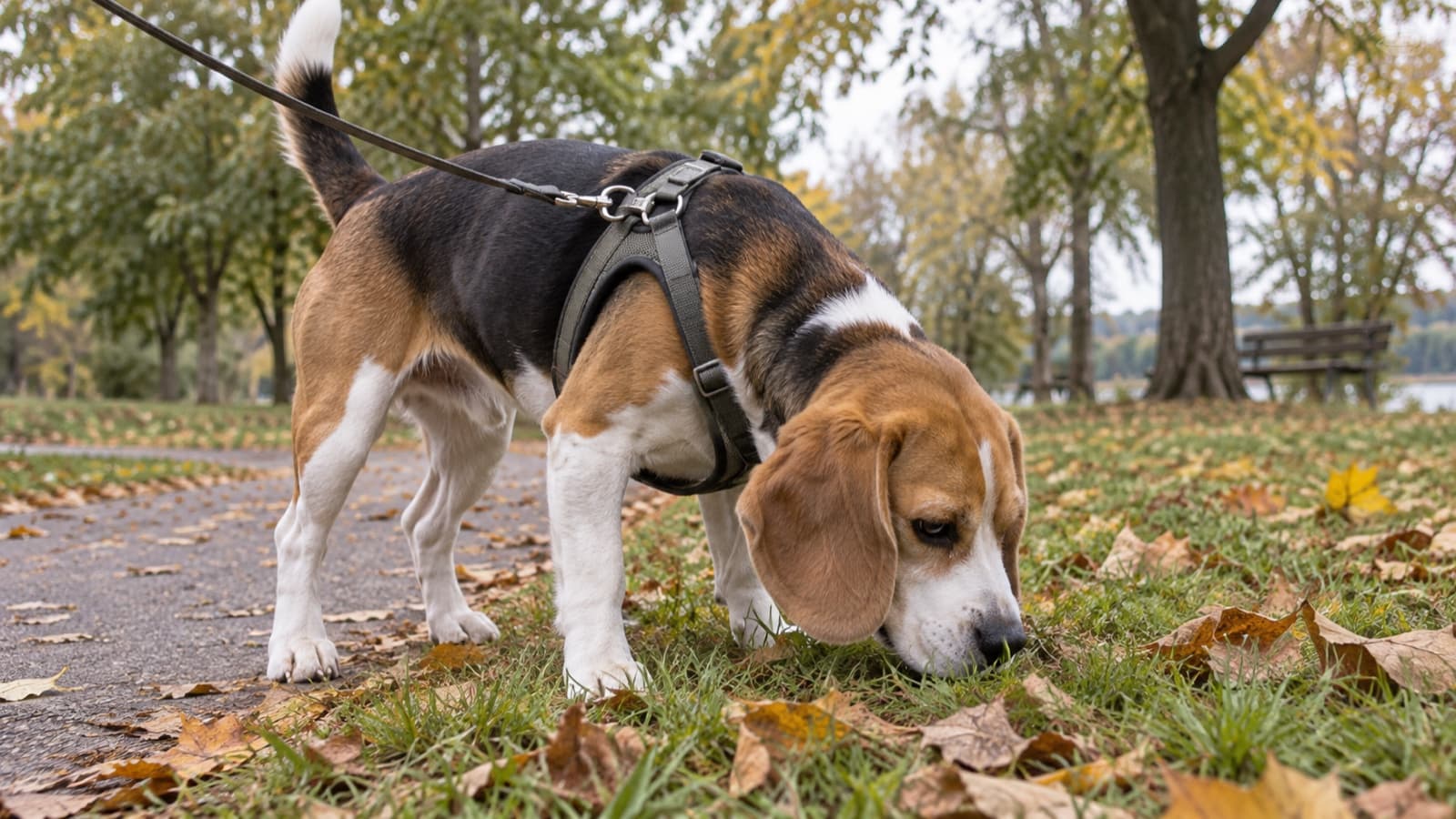
Walks, sniffing, food searches and short training games can provide outlets without constant high-arousal play. Choose exercise for age, fitness and health rather than trying to exhaust the dog.
If aggression, guarding or a sudden change in behavior appears, arrange a veterinary assessment. Pain and illness can affect tolerance. A veterinarian can help identify medical concerns and refer you to a qualified behavior professional for a plan suited to the dog's circumstances.
Keep a simple record of triggers, distances and successful exercises. This helps the professional see patterns and lets the household practice achievable steps instead of repeatedly placing the dog in situations it cannot yet manage.