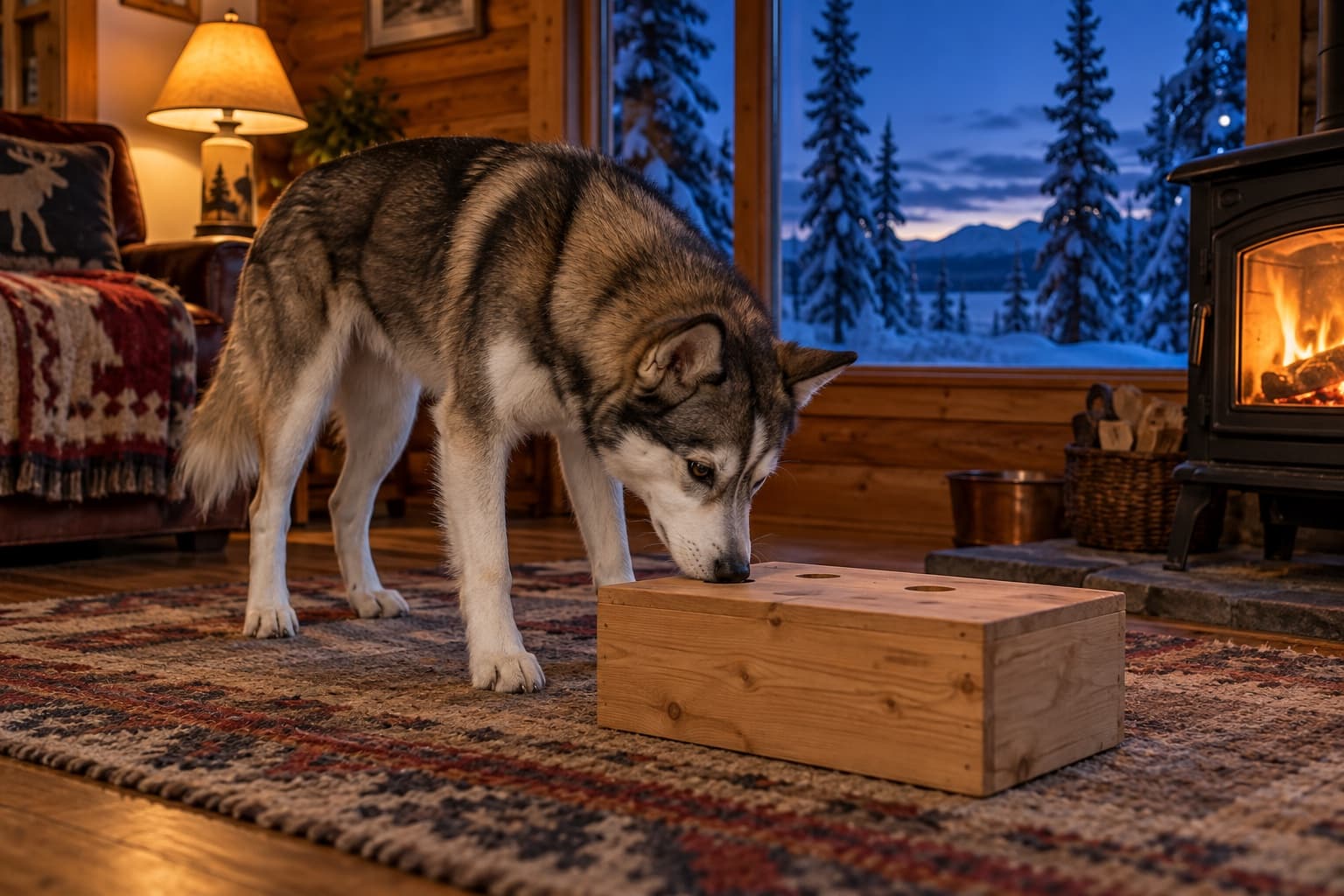

Understanding a dog is less about memorizing a tail chart and more about observing a familiar individual. Dogs respond to our movements, tone, routines and consequences. They cannot reliably read human intentions or know that an uncomfortable interaction is meant affectionately.
Learn the relaxed baseline
Watch your dog during ordinary rest, gentle exploration and enjoyable play. Notice its usual ear position, tail carriage, facial expression and movement. Breed shape can make some signals easier to see than others, so comparing your dog with itself is especially useful.
VCA's guide to canine communication explains why signals should be read together. Ears pulled back can occur in different emotional states; a raised tail does not automatically indicate happiness. Tension, avoidance and the surrounding situation help clarify what a gesture might mean.
When approaching, give the dog an opportunity to respond. Pause rather than reaching straight over its head. If it moves away, respect that choice. A dog remaining still is not necessarily consenting to prolonged touch, especially when it has no easy exit.
Sounds are not a fixed dictionary
Barking can accompany excitement, alarm, frustration or a request for attention. Whining may reflect anticipation, distress or discomfort. A growl during loose, mutually enjoyable play differs from a growl combined with freezing over a food bowl, but uncertainty is a reason to pause rather than test the dog.
Notice new sounds or changes in frequency. A normally quiet dog that vocalizes when getting up or being touched may need a veterinary examination. Do not dismiss discomfort as stubbornness or assume that every noise is a training problem.
Make your own messages easier
Choose a short cue for a specific behavior and use it consistently. Say it once in a setting where the dog has learned to respond. Reward the result promptly. If nothing happens, reduce distractions or return to an easier step instead of repeating the cue louder and louder.
For example, practice coming when called across a quiet room before trying it near wildlife. Reward voluntary attention on walks. Teach a resting place during calm moments so it becomes a familiar option when household activity increases.
A confident voice need not be sharp or threatening. Clear timing, achievable tasks and worthwhile rewards explain more than a demand to obey. Family members can share the same cues and routines so the dog does not receive conflicting instructions.
Respect distance and rest
Give the dog a comfortable retreat and teach children to leave it alone there. Manage visitors with a gate or separate room when needed. A dog should not have to cope with constant touching, close face-to-face contact or interruption during meals.
Keep a brief note of situations that repeatedly cause concern. What was nearby, how close was it, and what helped the dog recover? These observations are useful for a veterinarian or behavior professional. Avoid provoking a reaction to confirm your theory.
Good communication develops through repeated, comfortable experiences. Notice small signs, allow choices where possible and seek help when fear, pain or aggression interferes with daily life.