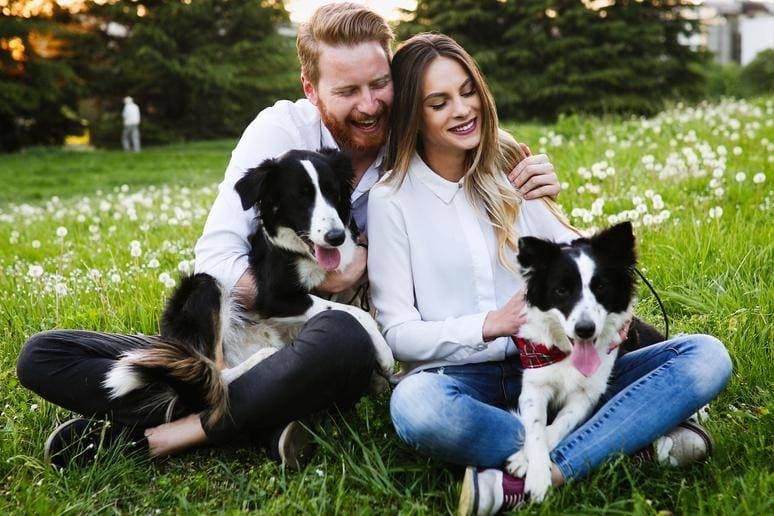
Training a family dog is a shared responsibility. The aim is a companion that can navigate daily life comfortably, not an animal expected to obey every instruction under every circumstance. Health, age, past experience and the environment influence learning alongside the family's handling.
Agree on practical routines
Before the dog arrives, decide where it will rest, eat and toilet and who will provide walks and care. Make a quiet retreat available and use gates where they help prevent unsafe access. Everyone should understand the arrangement, including visitors and children old enough to follow simple instructions.
Choose a small set of consistent cues and observable goals. For example, reward four paws on the floor during greetings rather than alternating between encouraging jumping and scolding it. Write down the plan if several people share care. Consistency is easier when the desired action is clear.
Puppies can begin gentle learning as soon as they join the home. This does not justify separating a puppy from its mother and littermates prematurely. Discuss an appropriate rehoming age, health records and early experiences with the breeder or rescue, and follow applicable local requirements.
Teach in manageable steps
Short sessions can fit into daily life without making every moment a formal lesson. Reward a puppy for checking in, following a simple hand target or settling briefly near you. Stop before fatigue or frustration makes learning difficult, and preserve plenty of uninterrupted rest.
VCA's guidance on basic puppy cues describes ways to build behavior through luring, capturing and shaping. Add a verbal cue when the action is becoming predictable. If the dog does not respond, make the situation easier rather than repeating the cue more loudly.
Food rewards should be suitable for dogs and included in the daily allowance. Vitamins are not training treats and should not be given repeatedly for obedience. Some dogs enjoy toys, sniffing or gentle contact as rewards, but watch the individual response; unwanted petting is not rewarding simply because the person intends it kindly.
Share responsibility without dominance tests
Several family members can teach and reinforce the same skills. One person may coordinate the plan, but exclusive feeding by a single owner is not necessary to establish respect. Children should participate only in activities suited to their age and the dog's behavior, with an adult managing safety.
The American Veterinary Society of Animal Behavior supports reward-based methods. Slapping the muzzle, shouting, pinning a dog down or trying to enforce a pack hierarchy can create fear and conflict. A strong relationship grows from clear, predictable interactions and meeting the dog's needs.
No responsible training plan can promise 100 percent obedience. Use physical management where mistakes could be dangerous: secure fencing, a leash near traffic and barriers around hazards. Training supports these precautions rather than replacing them.
Protect meals and valued objects
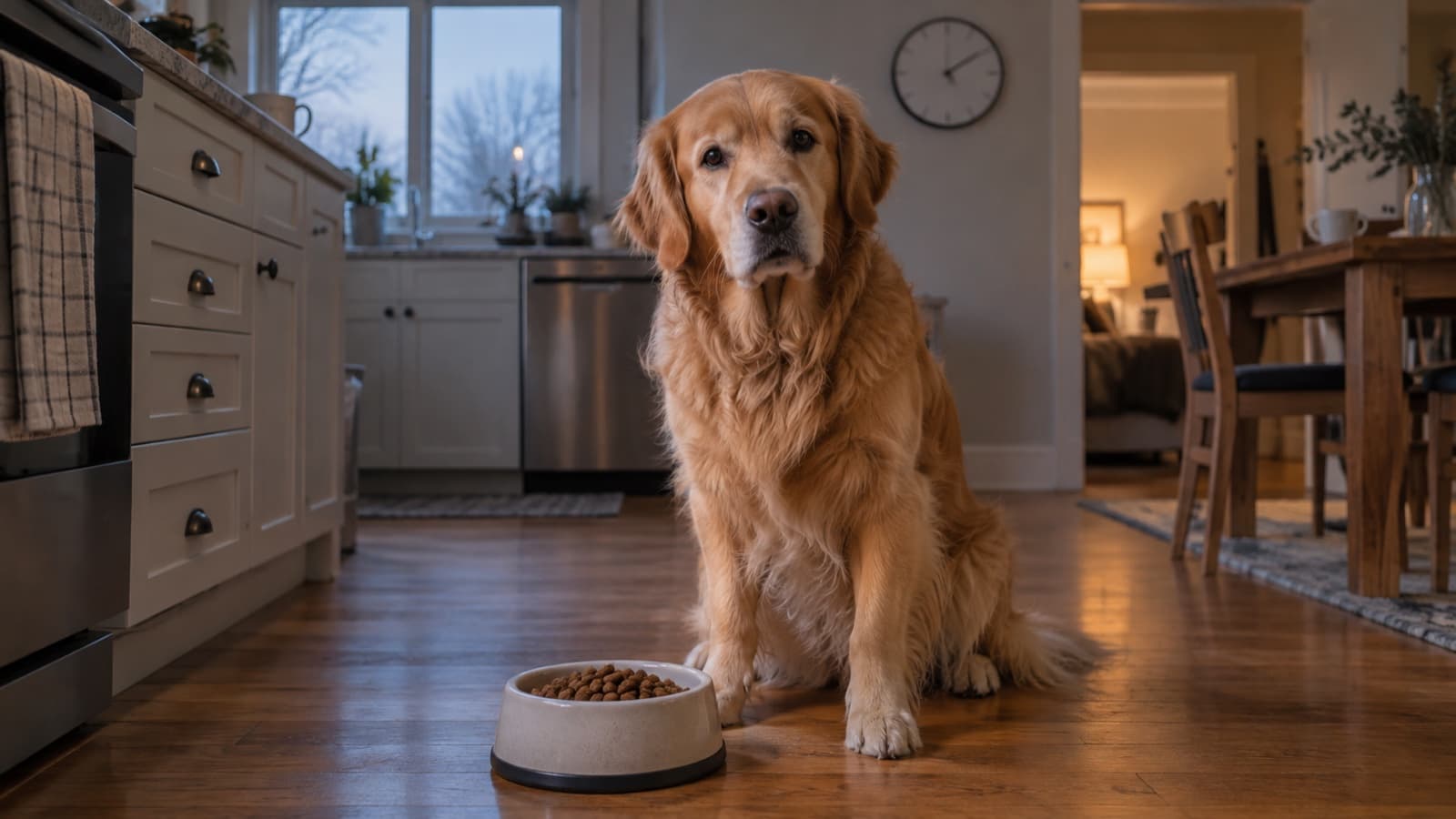
Do not hold a dog away from its bowl by the collar, stroke it repeatedly while it eats or force it to tolerate hands in its food. These exercises can make an approaching person predict loss or discomfort. Give meals in an undisturbed place and keep children away from food, chews and resting dogs.
Dogs Trust's resource-guarding guidance explains why safe management and appropriate help matter. If the dog stiffens, freezes or growls over an object, create distance rather than escalating the confrontation. Punishing a warning does not resolve the concern and may make future behavior harder to anticipate.
Practice exchanges with low-value objects in easy situations, and seek qualified support for established guarding. Do not involve a child in testing progress or deliberately provoke the dog to make a recording. New irritability or sensitivity to touch should also prompt a veterinary check for pain.
Choose support that teaches the people too
A good professional explains methods, observes the dog and gives the family achievable homework. There is no universal rule that exactly three lessons must be taught without the dog or that every residential program has the same outcome. Ask how methods, welfare and follow-up will be handled before enrolling.
Practice learned skills in several quiet settings before introducing major distractions. Keep a brief record of what works, especially if different caregivers see different behavior. Progress may include faster recovery from excitement, easier handling or more relaxed rest, not just a longer list of cues.
Review the routine as the dog matures and the household changes. Consistent kindness, safe management and realistic expectations make training sustainable for both the dog and the people caring for it.