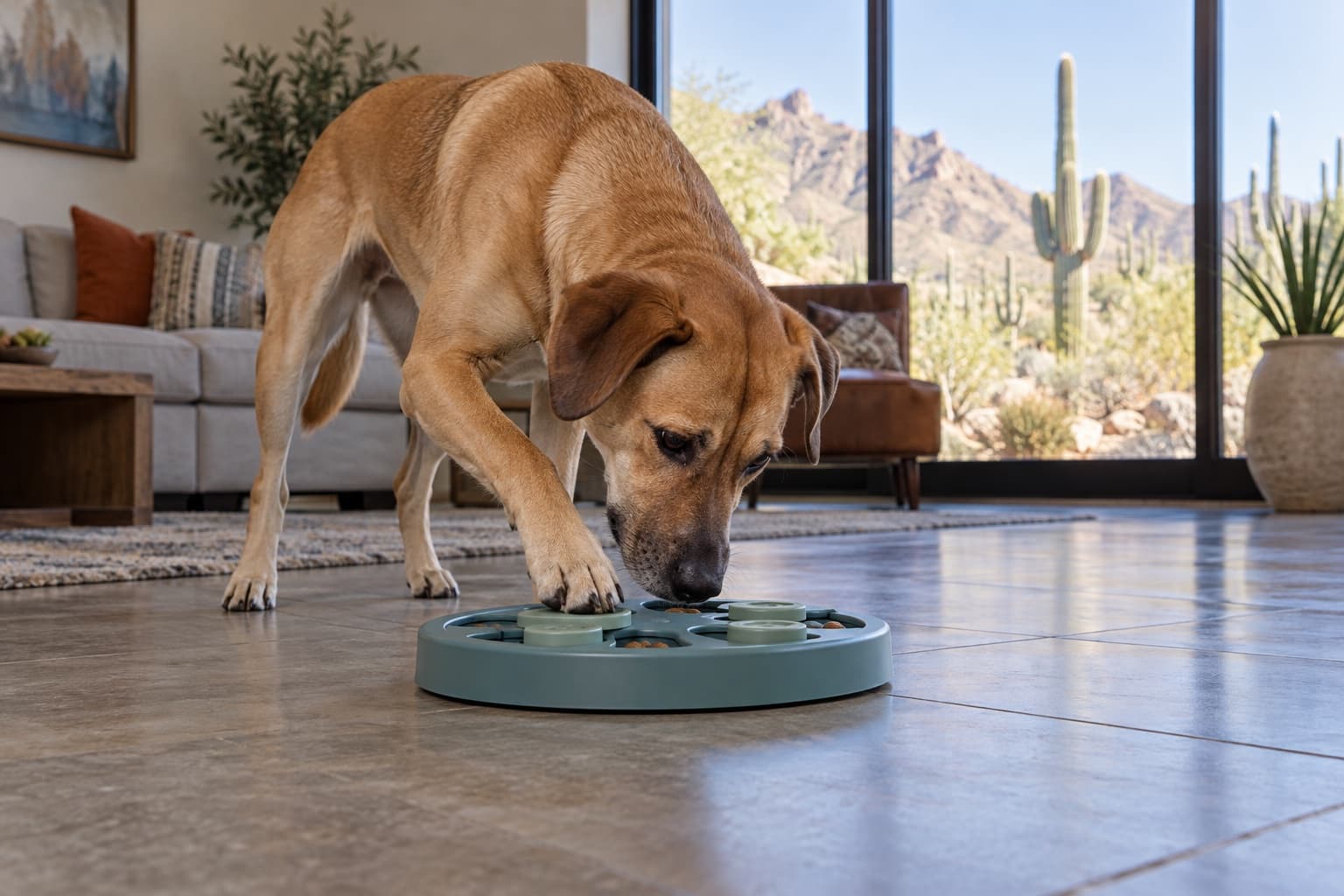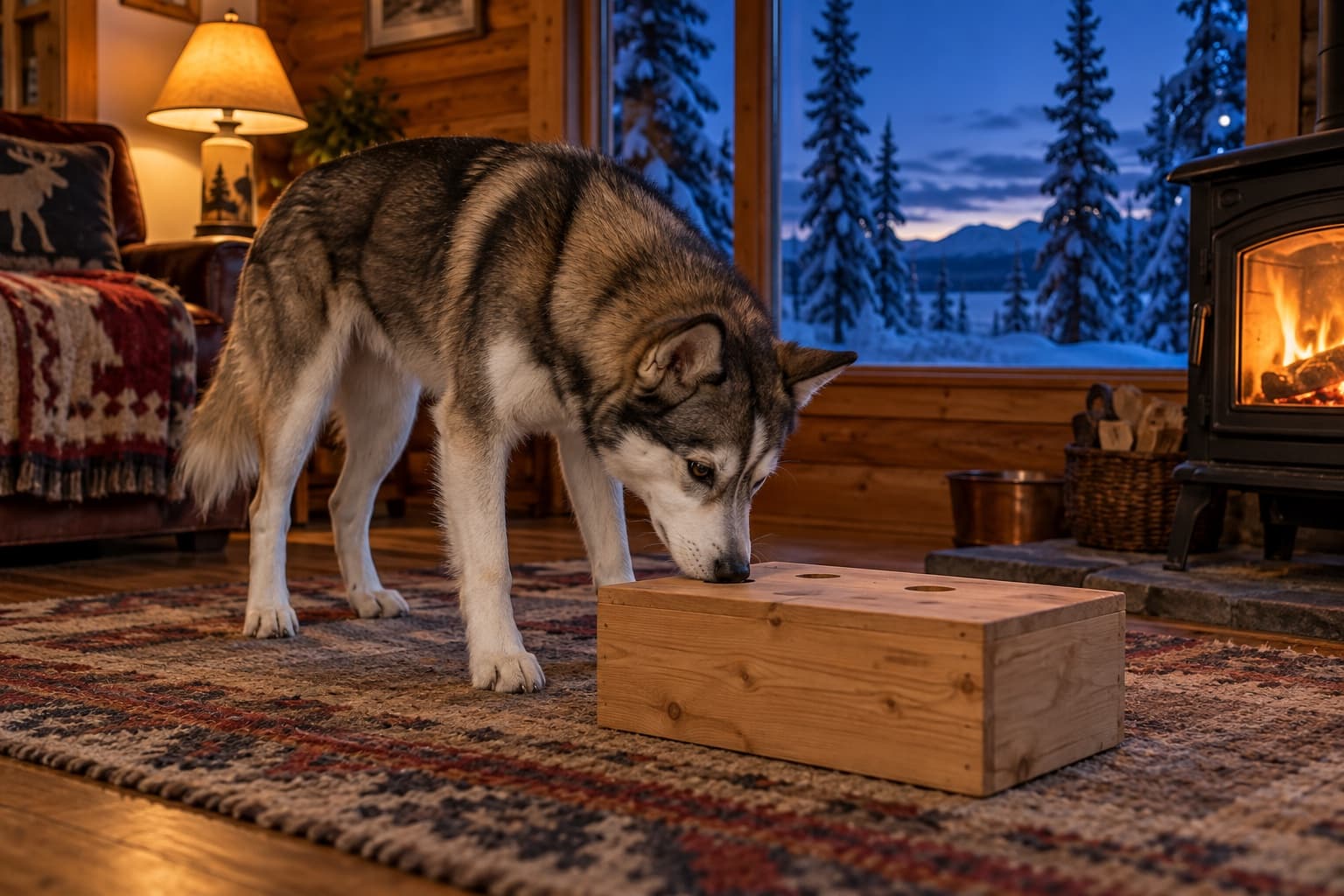
Good dog care is a consistent routine that meets the needs of the individual animal. Age, size, health, coat and activity all matter. A puppy, a working adult and a senior companion will not necessarily need the same food, exercise or daily schedule.
Start teaching early and kindly
Puppies can learn from the time they join the household; there is no need to wait until four months of age. Begin with their name, toilet routines, calm handling and short, rewarding lessons. Keep expectations realistic and give plenty of rest between activities.
Arrange safe social experiences with veterinary advice about local disease risks. Learning about people, sounds and surroundings should be gradual and pleasant. Fear is a reason to reduce the challenge, not to force the puppy closer.
Choose a complete diet
Select food suitable for the dog's life stage and health. The World Small Animal Veterinary Association's nutrition resources help owners ask useful questions about a manufacturer's expertise and quality control. Terms such as "premium" do not, on their own, establish nutritional quality.
Dogs can digest appropriately prepared starch; the claim that they cannot use carbohydrates is wrong. Equally, meat alone is not a complete diet. Homemade feeding needs a properly formulated recipe rather than an improvised mixture of meat, cereals and supplements.
Measure portions and review body condition regularly. Count treats and chews within the day's intake. If mixing wet and dry complete foods, adjust quantities so you do not accidentally provide two full daily allowances.
Avoid preventable feeding hazards
Cooked bones can splinter, and raw bones also carry risks including broken teeth and obstruction. Choose suitable chews with your veterinary team's guidance, and supervise their use. Do not assume an object is safe simply because it is sold as natural.
Raw meat and eggs can expose animals and people to pathogens. Milk is not required after weaning and may upset digestion. Apples or other snacks do not "detox" a dog, and supplements should be used for an identified need rather than added automatically.
Keep chocolate, grapes, raisins, onions, garlic, alcohol and xylitol-containing products out of reach. The ASPCA's guide to foods to avoid explains common hazards. If ingestion is suspected, contact a veterinarian promptly with the product and estimated amount; do not wait for symptoms.
Make grooming comfortable
Brush according to coat type and check for tangles, skin irritation and parasites. Introduce nail trimming and toothbrushing gradually with rewards. Use pet toothpaste and ask for a demonstration if you are unsure how to handle the mouth or nails safely.
Ear odor, discharge, persistent scratching or painful skin needs an examination. Frequent cleaning with unsuitable products can make irritation worse. A groomer can help with coat maintenance, while medical concerns belong with the veterinary team.
Balance activity, rest and prevention
Provide walks, sniffing and play suited to fitness and weather, together with a quiet sleeping area. Keep vaccinations, parasite prevention and identification details current. Arrange care for absences so food, toileting and companionship remain reliable.
Notice changes in appetite, thirst, movement, breathing or behavior. A dog that suddenly becomes irritable or avoids an ordinary activity may be uncomfortable. Recording when the change began helps your veterinarian assess the problem and adapt the daily care plan.