Many pet-care problems can be prevented by planning and noticing changes early. The following mistakes are not all automatically fatal, but each can affect comfort, health or safety.
1. Choosing on impulse
Consider adult size, activity, costs and the time available before bringing an animal home. Meet the individual and ask for health and behavior records. Make sure the adults in the household agree on responsibility rather than relying on a child's initial enthusiasm.
2. Using physical punishment
Hitting, frightening or shouting can damage trust and increase fear. Reward the behavior you want and arrange the environment to prevent repeated problems. The American Veterinary Society of Animal Behavior supports humane, reward-based training. Sudden defensive behavior also warrants consideration of pain or illness.
3. Giving inconsistent guidance
Agree on household routines and the cues used for simple tasks. If access to a room is restricted, use a gate or closed door rather than expecting the pet to interpret different rules from each person. Consistency should still allow for age, health and physical needs.
4. Ignoring activity and rest
Provide movement and enrichment appropriate to the individual. Dogs benefit from walks and sniffing; cats need opportunities to climb, scratch and play. A fixed exercise quota is not right for every animal. Include undisturbed rest and adjust the routine for heat, illness or recovery.
5. Waiting for problems before teaching skills
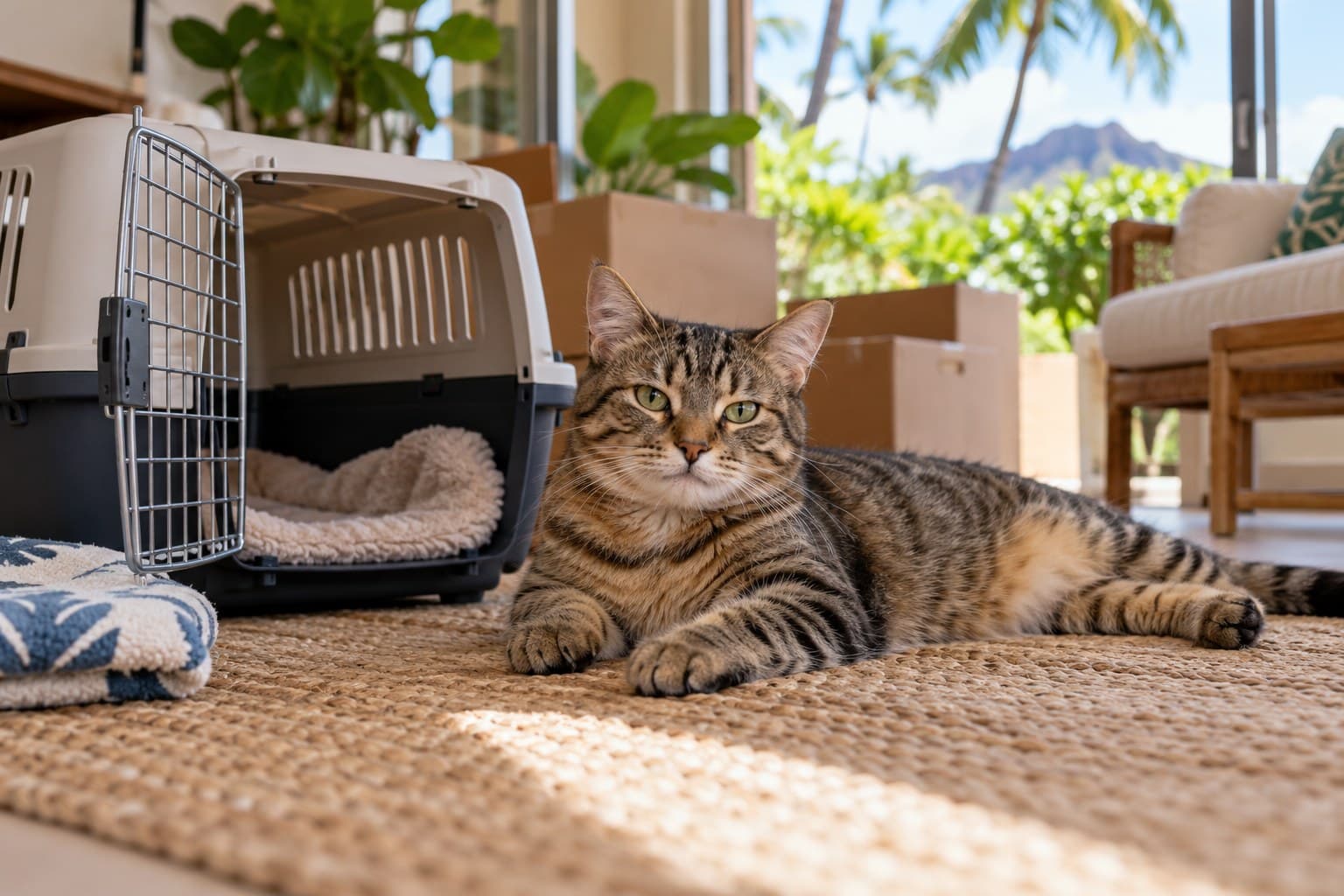
Start gentle learning early and continue throughout life. Carrier entry, comfortable handling, recall and settling can make ordinary care easier. Keep lessons short and achievable. If behavior puts anyone at risk, get qualified help rather than assuming obedience alone will solve it.
6. Leaving hazards accessible
Secure medicines, cleaning products, cords, small swallowable objects and unsafe foods. Check windows, balconies and garden boundaries. Choose suitable toys and remove damaged ones. Keep emergency veterinary details available so you can act promptly after a suspected poisoning or injury.
7. Feeding without a plan
Use a complete diet suited to species, life stage and health, with measured portions and fresh water. Count treats and avoid casually adding supplements to an already balanced food. Discuss persistent digestive problems or weight changes with your veterinarian instead of repeatedly guessing at a new diet.
8. Delaying preventive care
Arrange veterinary advice on vaccination, parasite prevention, dental care and identification. The right schedule depends on age, history and local exposure, not a single rule copied from another animal. Preventive products must be suitable for the species and individual; some dog products are dangerous to cats.
9. Leaving care arrangements vague
Prepare animals gradually for manageable time alone and arrange dependable help for longer absences. A brief visit may not meet a young puppy's or kitten's needs. Give carers written instructions and emergency contacts. Persistent distress during absences deserves assessment rather than punishment on your return.
Review these arrangements when your work, housing or pet's health changes. A practical routine that can be maintained is more valuable than an ambitious plan that works only on quiet days.