
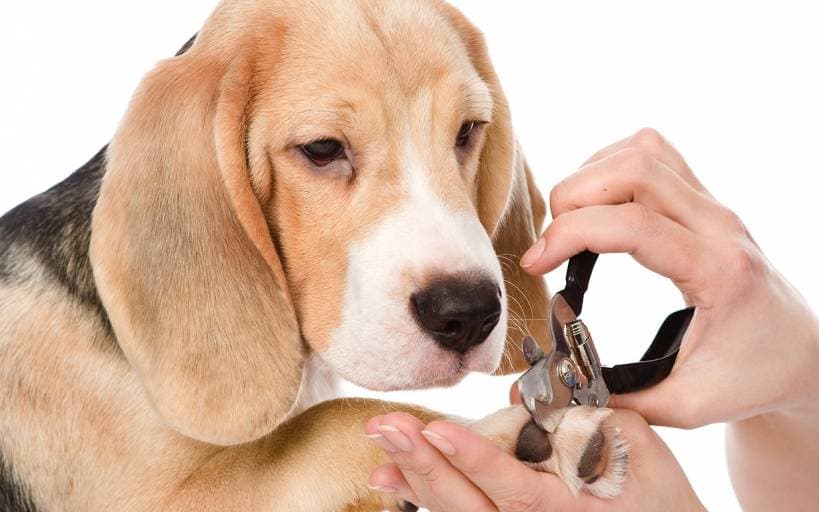
Regular grooming keeps a dog's coat comfortable and makes it easier to notice skin changes. Some coats need scheduled trims, while others mainly need brushing and removal of loose hair. The right approach depends on coat type, skin health and the dog's tolerance of handling.
Does your dog need a haircut?
Dogs with continuously growing coats often need clipping or scissoring as well as frequent combing. Wire-coated breeds may need hand-stripping or another coat-specific technique, depending on their coat and lifestyle. A knowledgeable groomer can explain the options and help you choose a practical routine.
Do not assume that every thick-coated dog should be shaved for summer. Double coats have a different growth cycle, and close clipping may affect regrowth. Shade, water and sensible exercise times are essential for heat management regardless of hairstyle. Ask a groomer or veterinarian before making a major change to the coat.
Prevent mats before they tighten
Work gently through small sections, using tools appropriate to the coat. Check behind the ears, under the collar, in the armpits and around the legs. A comb should reach through the hair without being forced. Pulling hard on a mat is painful and can make future grooming more difficult.
Severe mats often require professional removal. Do not cut close to the skin with scissors: skin can be pulled into the tangle and is easy to injure. If the coat hides sores, swelling or a strong smell, arrange veterinary assessment as well as grooming.
Make handling predictable
Introduce the brush, clipper sound and gentle touch in short sessions. Reward calm participation and let the dog take breaks. Use a secure, nonslip surface and keep tools out of reach. A slippery bathtub is not an ideal grooming table, and a dog should never be left unattended on a raised surface.
Fear does not always disappear after the first haircut. If the dog freezes, struggles or snaps, stop and seek help with a gradual handling plan. Never give sedatives or anti-anxiety medicines simply because an old grooming guide recommends them. Medication requires a veterinarian's assessment and instructions.
Sensitive areas need extra care
Hair around the eyes, ears, feet and sanitary areas may need attention, but these areas are easy to injure. Have a professional demonstrate safe maintenance. Do not put scissors or clippers into the ear canal or dig between the toes. Check clipper blades frequently because they can become hot.
Use dog-appropriate bathing products when a bath is needed, rinse well and dry comfortably. Avoid applying herbal creams, fragrance or human cosmetics to irritated skin without veterinary advice. Redness, persistent licking or pain after grooming deserves a check. Agree on a realistic appointment schedule and keep up with gentle coat care between visits.


