Training becomes clearer when a dog has a manageable task and a predictable way to succeed. Many difficulties arise from confusing cues, poorly timed rewards or asking too much in a distracting place. Treat mistakes as information about the setup rather than evidence that the dog needs firmer punishment.
Make the goal specific
Choose an observable behavior, such as standing with four paws on the floor when a visitor enters. Decide how to reward it and arrange the surroundings so the dog can practice safely. A vague instruction to behave gives neither the dog nor its caregivers a useful plan.
Keep sessions short enough for the dog to stay engaged. Note what worked and what made the task harder. If the dog becomes tired or worried, finish with an easy step or take a break instead of drilling the same exercise repeatedly.
Use consistent cues and timely rewards
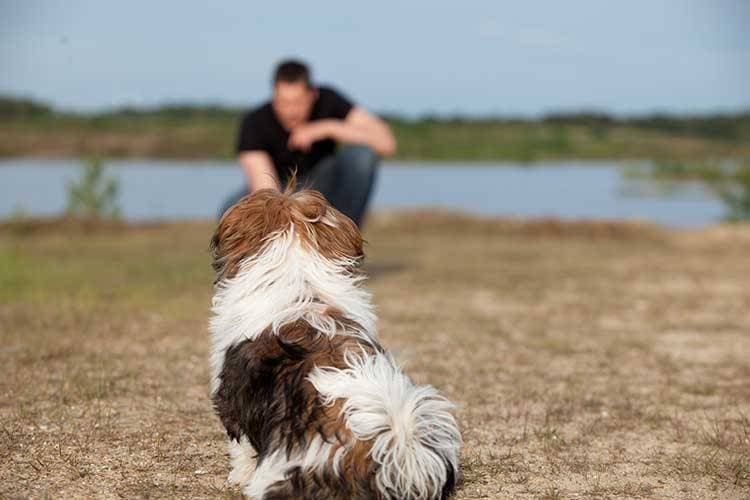
VCA's guide to basic puppy cues describes building a behavior before attaching a reliable cue. Say the cue once when the dog is ready, and reward the response promptly. Repeating a word continuously while the dog is distracted can make that word less useful.
Agree on cues with everyone involved. If sitting earns a reward from one person but jumping earns attention from another, the dog may reasonably repeat both. Good coordination matters more than appointing one family member as the only person allowed to train.
Practice in different settings gradually
A skill learned in the kitchen may need careful practice in the garden before it works near a busy road. Change one difficulty at a time: distance, duration or distraction. Use a leash or secure enclosure where a missed response could create danger.
Repeating the same sequence can teach the sequence itself. If you always ask for sit, down and stay together, the dog may anticipate the next action. Practice skills separately as well, and reward the behavior you actually requested. Reliable habits are useful; the aim is not to avoid all automatic responses.
Notice comfort and health
Check that equipment fits without rubbing, choking or restricting movement. A dog that hesitates to sit, resists touch or suddenly stops participating may be uncomfortable. Seek veterinary advice for a new change rather than increasing physical pressure.
The American Veterinary Society of Animal Behavior recommends reward-based training. Yelling, leash jerks and intimidation can create fear without explaining the alternative behavior. For guarding, aggression or persistent anxiety, obtain qualified help rather than experimenting with increasingly severe corrections.
A useful training review asks what the dog understood, what it found rewarding and whether the situation was manageable. Small, consistent improvements are a better measure of progress than demanding flawless performance in every setting.