
Reptiles
Research a reptile’s exact species before choosing an enclosure. Plan its habitat, feeding routine, adult space needs and specialist care.
Prepare your home and care routine
Research the exact species’ enclosure, temperature, lighting, humidity and hiding-place needs. Set up and check the equipment before the animal arrives, and plan for equipment failure. Ask a reptile veterinarian or experienced specialist to review your setup if you are new to keeping that species.
Further reading: RSPCA guidance on bringing a reptile homePlan your ownership budget
Get local estimates for equipment and services before committing. Include these costs in your plan:
- Setup: secure enclosure, monitoring equipment and species-appropriate furnishings.
- Ongoing costs: food, electricity, substrate and equipment replacement.
- A reserve for specialist veterinary care and backup equipment.
Choosing a reptile
Compare adult size, feeding needs, lifespan and the amount of specialist equipment required. Do not assume all snakes, lizards or tortoises need the same care. Choose an animal whose needs you can meet reliably, including when you travel or your routine changes.
Browse reptiles for sale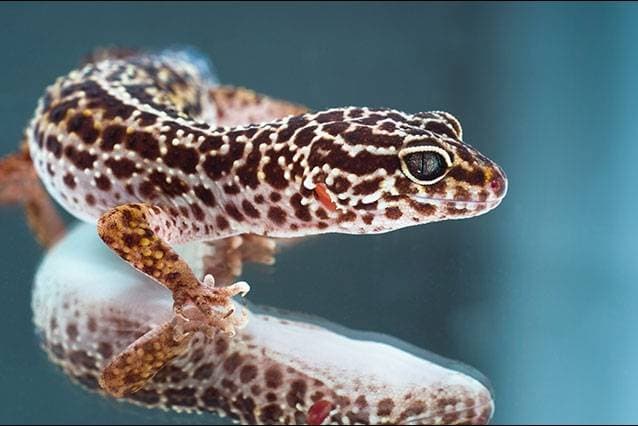
Learn to recognize changes in a reptile's health, review enclosure conditions and prepare useful information for veterinary care.

A lizard's care depends on its species. Plan suitable space, heat, UVB lighting, humidity and food before bringing one home.

Discover how green anacondas live, hunt and reproduce, and why their exceptional weight should not be confused with record-breaking length.
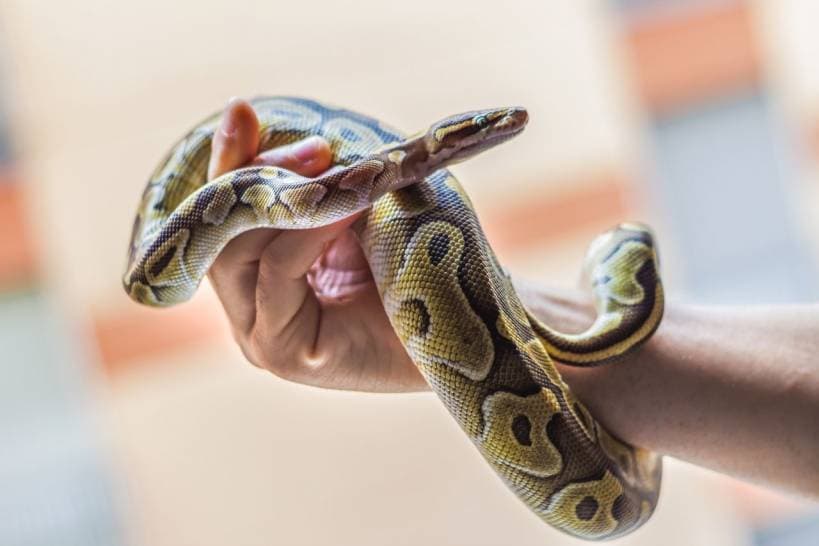
Set up a pet snake's enclosure around its species, adult size and normal behavior, with safe heating and reliable monitoring.
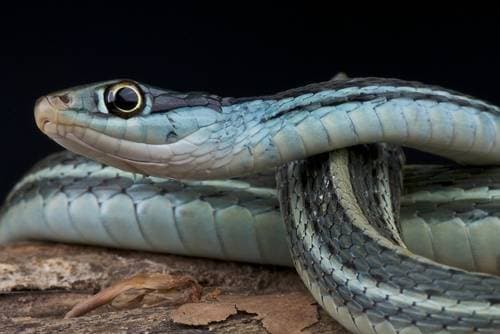
Separate enclosures make it easier to meet each snake's needs, avoid feeding accidents and track signs of illness.
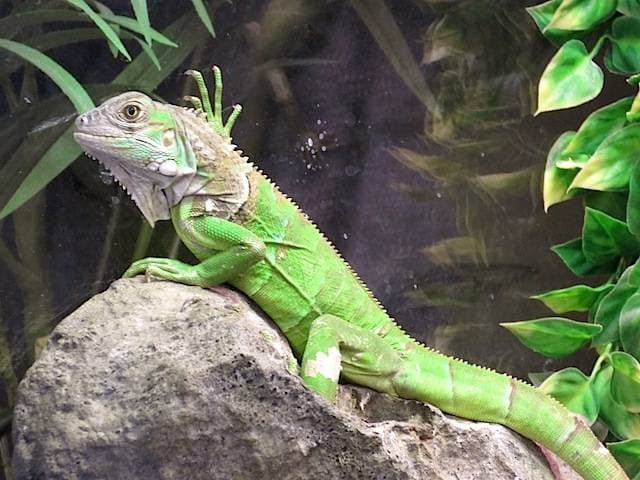
Green iguanas need large climbing enclosures, carefully managed heat and UVB, and a varied plant diet throughout their lives.
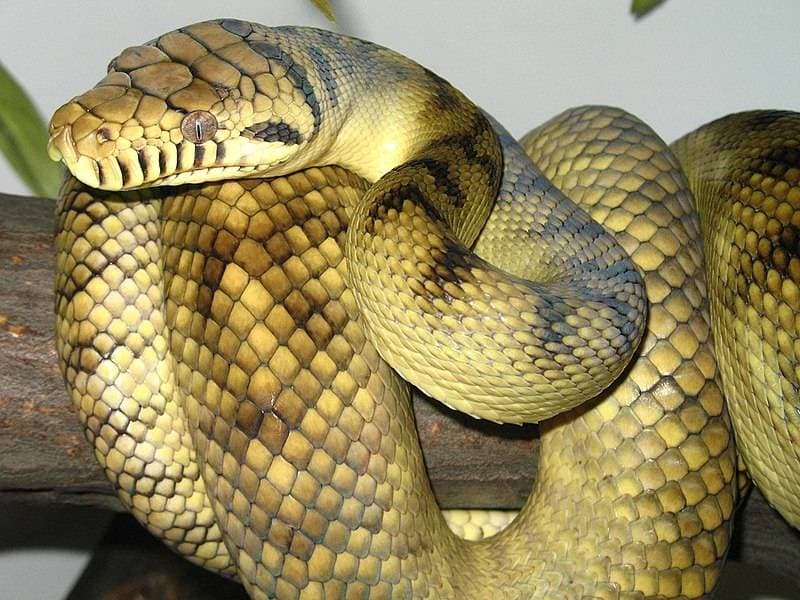
Learn how amethystine and Australian scrub pythons differ, why size claims need care, and what responsible ownership involves.
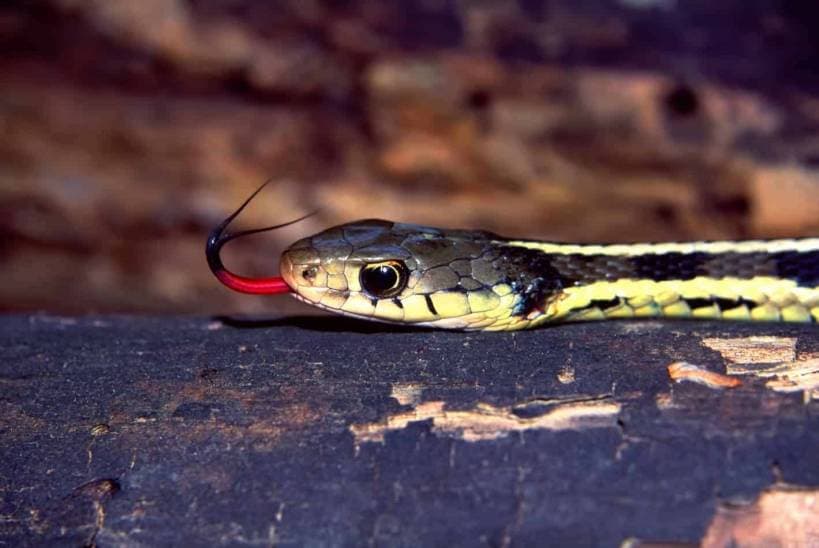
Choose a snake by its lifelong needs, reliable feeding history and lawful origin, rather than appearance or promises about temperament.