Small dogs need clear teaching and respect for their physical limits just as larger dogs do. A Pekingese may have individual preferences about handling, rewards and activity, but labeling it stubborn does not explain why a lesson is difficult. Start by asking whether the dog understands the task and feels comfortable enough to learn.
Replace punishment with useful information
The American Veterinary Society of Animal Behavior recommends reward-based training. Slapping, threatening or shouting does not explain the behavior you want and can make a dog afraid of your hands or approach. A dog does not need to accept you as a dominant leader before it can learn everyday skills.
Choose a small behavior, make it easy to perform and reward it promptly. For example, reward four paws on the floor during a greeting instead of repeatedly pushing the dog down. Use gates or distance to prevent an overwhelming situation while the new habit develops.
Find rewards that work
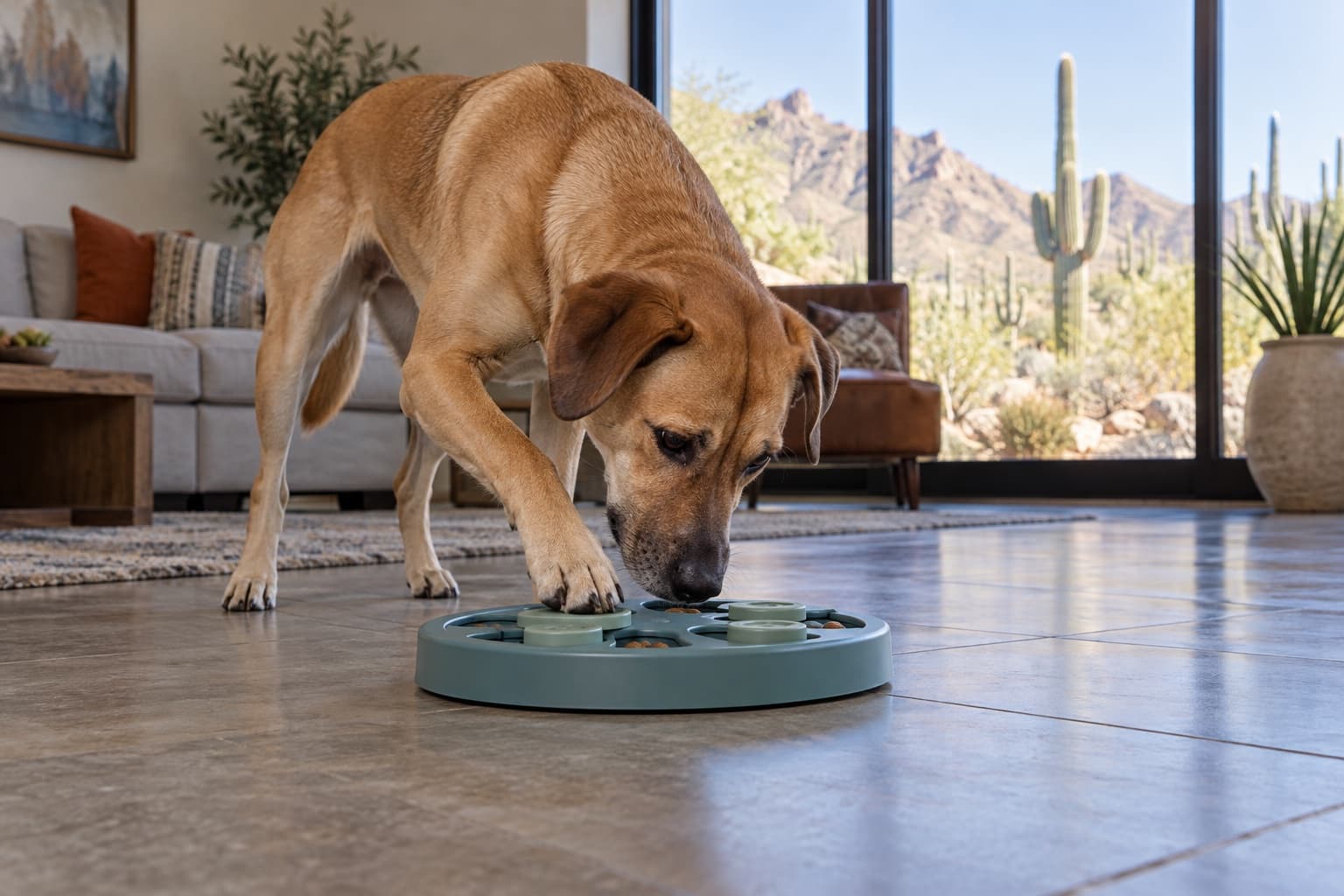
Food, a favorite toy, gentle attention or access to sniffing may be valuable, depending on the individual and setting. Keep food rewards small and include them in the daily allowance. A dog that refuses a normally welcome treat may be distracted, stressed, full or unwell; it is not necessarily refusing to cooperate.
Use a consistent marker such as "yes" to identify the successful moment, then deliver the reward. Work for a few comfortable repetitions and take a break. Success in a quiet room is a starting point, not proof that the same cue will work in a crowded street.
Speak clearly without expecting human understanding
Dogs can learn associations between sounds, actions and consequences. Some learn names for objects, but that does not mean every dog understands ordinary conversation or reasons about a new word like a person. Keep cues short and consistent rather than adding a long explanation after each mistake.
For a toy-name game, start with one familiar toy and reward attention to it. Add another only after the first association is reliable, and avoid pointing or moving in a way that accidentally supplies the answer. Make it a pleasant activity rather than a test the dog must pass to prove intelligence.
Toilet training follows physical needs
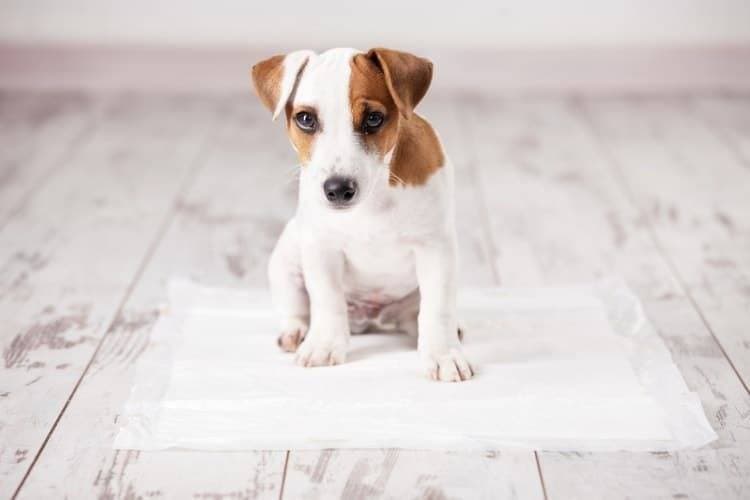
Offer frequent opportunities in the chosen place, especially after waking, eating or playing. Reward promptly when the dog finishes there. Clean accidents thoroughly and adjust the schedule or supervision instead of punishing the dog after the event.
An indoor toilet area may be useful in some homes, but keep its location and surface consistent. Do not expect a puppy to wait simply because your working day is long. Arrange help and gradually expand access to the home as habits improve. A sudden change in a previously reliable adult deserves a health check.
Introduce equipment gradually
Let the dog investigate a collar or harness, reward calm contact and build towards brief comfortable wearing. Check the fit regularly, particularly during growth. Avoid abruptly fastening unfamiliar equipment and relying on distraction to suppress all signs of discomfort.
Attach the lead in a safe space and reward a few steps towards you. Keep it loose where possible and never drag a dog that has frozen. A Pekingese's breathing and body shape deserve consideration when choosing equipment; ask your veterinarian or qualified trainer to help with fit and pressure points.
Make walks manageable
Choose quieter routes initially and let the dog observe people or animals from a comfortable distance. Reward checking in and calm movement. If it barks or tries to retreat, increase space rather than insisting on a close greeting. Being small does not make forced social contact less frightening.
Allow sniffing and pauses; an everyday walk need not be a continuous formal heel. Keep control of the lead without repeated jerks. For a dog with a short muzzle, avoid heat and excessive exertion, and seek veterinary advice about noisy or difficult breathing rather than assuming it is normal for the breed.
Teach cooperative handling
Practice a brief touch to a shoulder or paw, reward and release. Build towards brushing, nail care and veterinary examination in small stages. Stop if the dog becomes tense or painful, and investigate new sensitivity instead of increasing restraint. Lifting should support the body and account for the dog's comfort.
Teach a mat or bed as a place where good things happen. Reward resting there during quiet household activity and protect it from interruption. Rest is part of learning, especially for a puppy, and a tired dog may find even familiar tasks difficult.
Review the plan as the dog changes
A routine should meet both household needs and the dog's age, health and abilities. Keep notes of successful rewards and difficult situations so you can adjust thoughtfully. If fear, biting, guarding or separation distress continues, seek help from a veterinarian or qualified reward-based professional.
Progress does not require perfect obedience in a few walks. The result is a companion that can participate safely in daily life and feels secure learning with you.