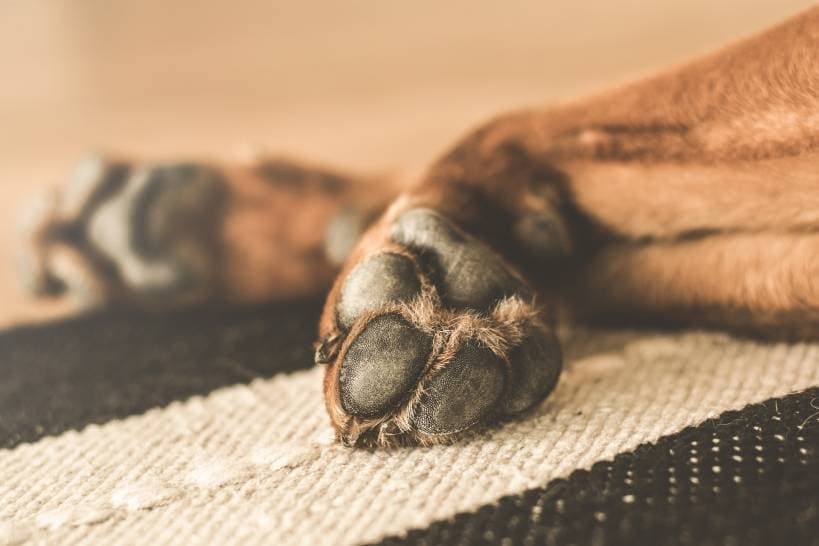
Paw care involves more than cutting long nails. Dirt, grass seeds, ice and small injuries can hide between the toes, while an overgrown nail can catch on fabric or press toward the skin. A brief, comfortable check after walks helps you notice problems before they interfere with movement.
Inspect before trimming
Look at the pads, spaces between the toes and every nail, including dewclaws higher on the leg. Rinse away ordinary dirt with lukewarm water and dry carefully. Do not pull out a deeply embedded object or probe a painful swelling. Persistent licking, limping, redness or discharge deserves veterinary attention.
Long fur can conceal nails and collect debris. If hair needs tidying around the pads, ask a groomer to show you how or arrange professional care. Cutting close to moving toes with household scissors can injure the skin. A reluctant dog may be uncomfortable, so do not assume resistance is disobedience.
Choose the right tools and pace
Use a dog nail clipper or grinder suited to your pet's size. Check that cutting blades are sharp and that the equipment is comfortable to handle. Human nail scissors are not a reliable substitute for thick canine nails. If you have never trimmed nails, a practical demonstration is more useful than guessing from a photograph.
Introduce the tool before using it. Let the dog investigate at a comfortable distance, reward calm interest and practice brief paw touches. You may initially trim only one nail. Stop before the dog struggles, and seek help if fear makes safe handling difficult. Puppies also need gradual introductions rather than being held down for a full session.
Protect the quick
Inside each nail is the quick, which contains blood vessels and nerves. It is easier to see through pale nails than dark ones. Remove only small amounts from the tip, following professional guidance. Avoid trying to achieve a particular length in one cut when a nail is very overgrown.
VCA's nail-trimming guide explains how nail length and activity influence the schedule. Walking on firm ground may wear some nails, but it does not reliably maintain all of them. Check regularly and adapt the interval to the individual dog; do not assume every puppy needs exactly the same weekly trim.
If you accidentally cut the quick, stop and use a pet nail styptic product as directed. Contact your veterinary team if bleeding persists or the injury is more than a small nick. A split nail, dangling fragment or nail growing into the skin needs professional care, rather than a deeper home trim.
Dewclaws need care, not automatic removal
Dewclaws may be easy to overlook under a thick coat. They can overgrow because they receive little contact with the ground, so include them in every check. Their presence does not mean surgery was missed during the first days of life. A veterinarian should assess any proposed removal and explain the reason, risks and alternatives.
Do not add vitamin A or rub fat into nails to treat splitting. Supplements can unbalance an otherwise complete diet, and repeated breakage may have an underlying cause. Photograph changes and tell the vet whether one nail or several are affected.
Keep a simple routine
Choose a well-lit, nonslip place for care, with treats and tools ready. Ask another adult to help only if the dog is comfortable with that person; extra restraint is not a substitute for training. Note the date of each trim so gradual growth is easier to track.
After a walk on treated winter surfaces, clean and dry the paws before the dog licks them. Avoid hot ground and inspect footwear regularly if your dog uses boots. Seek care promptly for burns, significant cuts or inability to bear weight. The aim is a dog that can stand, walk and play without pain.