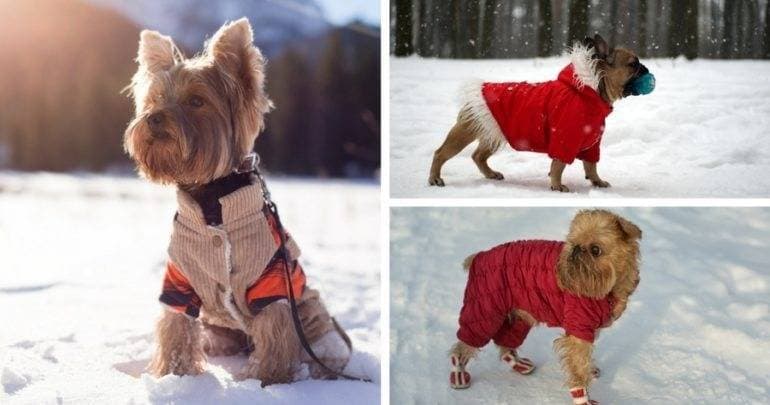
A winter coat can help some dogs stay comfortable, but clothing needs depend on the individual and the conditions. Size, coat type, age, health, wind and wet weather all matter. There is no single temperature or walking time that is safe for every dog.
Which dogs may benefit?
PDSA's advice on winter coats notes that small or thin-coated dogs may need extra warmth. Older dogs, puppies and animals with certain health problems may also need adjustments. A thick-coated dog can still become uncomfortable when wet or exposed for too long.
Watch the dog rather than following a rigid rule such as limiting every walk below twenty degrees Celsius to ten minutes. Shivering, repeatedly lifting paws, slowing down or seeking shelter are reasons to shorten the outing and reassess. Ask your veterinarian for an individual plan if illness or reduced mobility affects cold tolerance.
Choose a practical fit
A coat should allow normal walking, toileting and comfortable breathing. Check around the chest, shoulders and armpits for rubbing, and make sure straps cannot catch a leg. Avoid loose decorations or fasteners the dog can chew. Measure the dog rather than relying only on a breed label.
Consider the weather: a wet, absorbent garment may stop providing useful insulation. Keep a dry replacement available if needed and remove damp clothing promptly indoors. A waterproof outer layer may help in rain, but no garment makes prolonged exposure harmless.
Introduce clothing gradually at home. Reward the dog for approaching and briefly wearing it, then increase duration as it remains comfortable. Freezing in place or trying repeatedly to remove it is a reason to check fit and slow the introduction. Do not force a long walk in unfamiliar equipment.
Adjust walks and activity
Choose routes with shelter and reasonable footing. Shorter, more frequent outings may suit some dogs during severe weather, with indoor sniffing games and training providing extra activity. Avoid icy surfaces where slipping could cause injury and keep the dog away from frozen ponds or lakes.
Use visibility equipment where light is poor, ensuring it does not restrict movement. Check the leash, harness and coat together before leaving; a coat should not interfere with a secure fit. Bring a way to return home promptly if the dog becomes uncomfortable.
Care for paws and coat
Inspect feet for ice, cuts and irritation after walks. Rinse away road salt or other de-icing residues and dry carefully, including between the toes. Properly fitted boots can help some dogs, but they need gradual introduction and do not remove the need to check the feet.
Continue grooming through winter. Mats can trap moisture and make skin care difficult. Bathe when needed with suitable products and allow the coat to dry thoroughly in a warm environment. There is no universal requirement to stop grooming or replace every bath with dry shampoo.
Warmth, food and warning signs
Provide a dry, comfortable indoor resting place away from drafts. Fresh water remains important in cold weather. Cold drinking water does not itself cause an infectious cold, and extra vitamins are not a substitute for appropriate shelter and a complete diet.
Do not automatically increase food by a fixed percentage. Energy needs depend on actual activity and exposure, and many pets exercise less in winter. Monitor body condition and discuss changes with your veterinarian.
If a dog becomes markedly weak, unusually drowsy or poorly responsive after cold exposure, seek urgent veterinary care. Move it into shelter and warm it gently with dry blankets while obtaining advice; avoid direct intense heat. Clothing is one useful tool, but attentive supervision and timely changes to the routine are what keep winter outings comfortable. Check the skin beneath clothing after each outing, particularly where seams or straps touch. Wash and dry garments according to their care instructions.