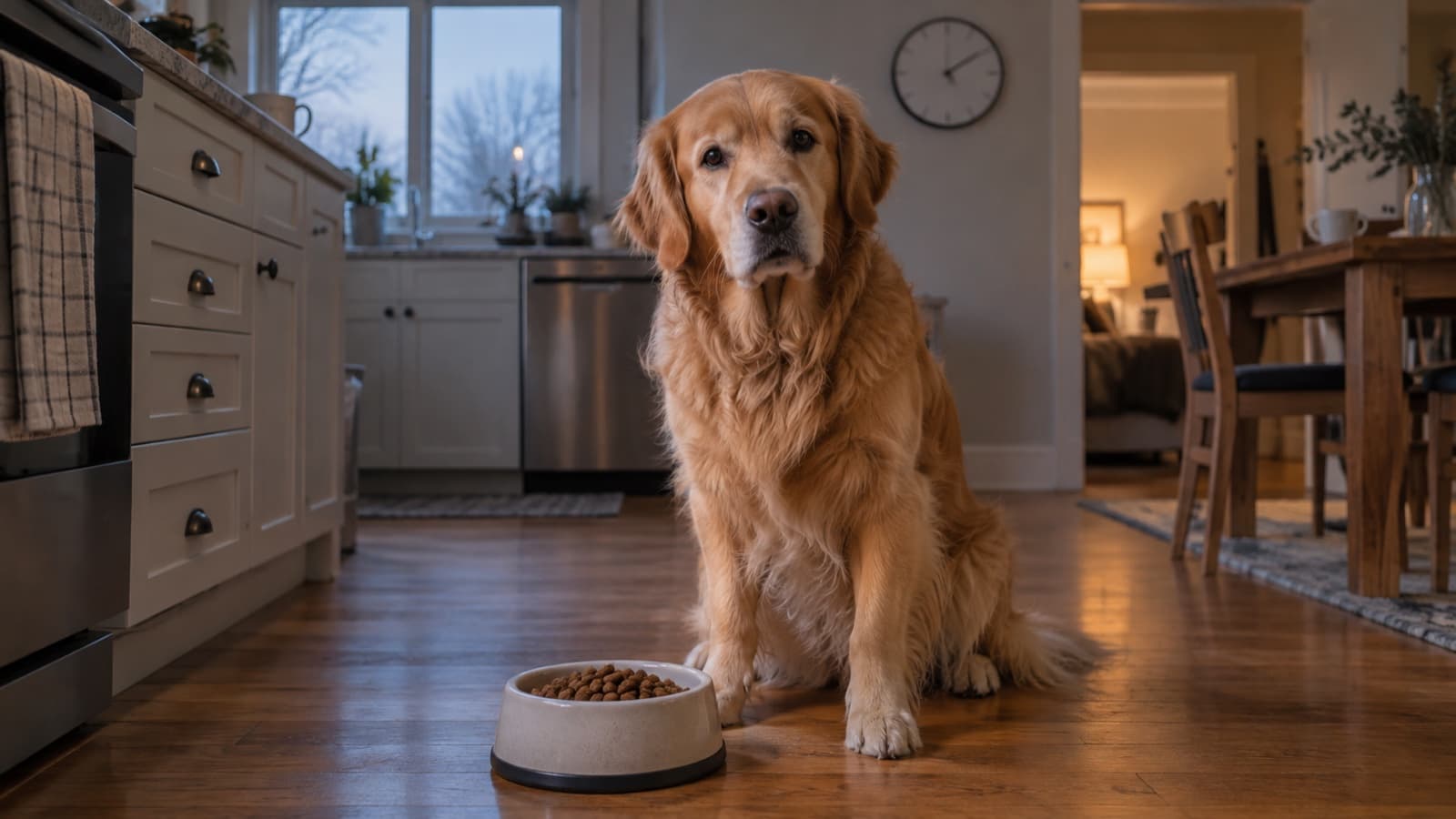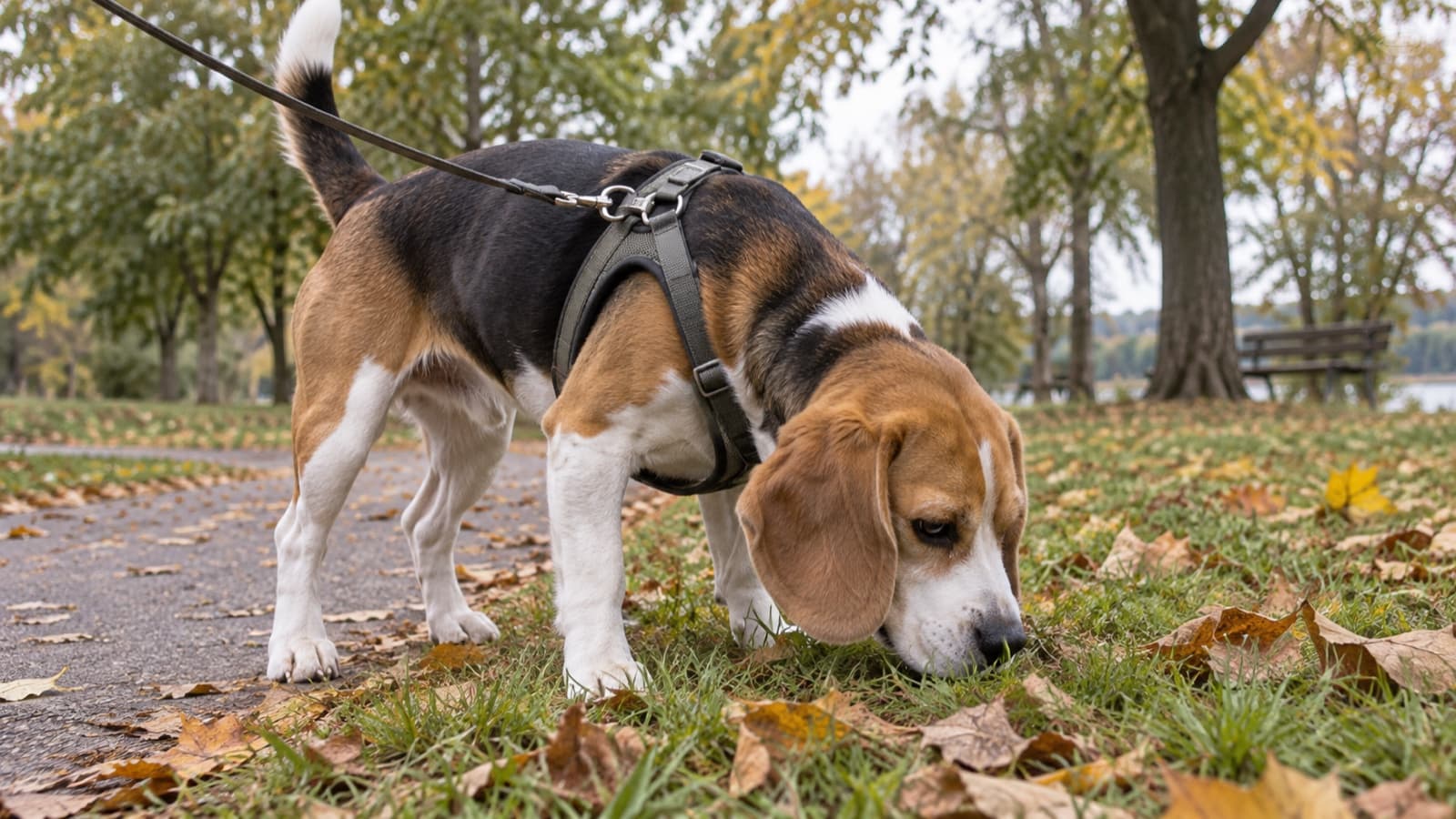
A first-time dog owner faces many choices, but there is no universally best breed, sex or age. Start with the care you can reliably provide. An attractive puppy or a reputation for intelligence does not make a dog automatically suitable for a particular home.
Match needs to your routine
The AVMA's dog-selection guidance encourages considering the household's circumstances before acquisition. Think about exercise, grooming, noise, children, other animals and time alone. Discuss these honestly with a responsible breeder or rescue.
Working and guardian breeds may need considerable experience and management. Describing a German Shepherd or any other breed as able to thrive in all weather and living conditions is misleading. Every dog needs shelter, suitable activity, social contact and veterinary care.
A garden is useful only as part of a wider care plan. It does not replace walks, learning or interaction. Likewise, a smaller dog is not automatically low-energy or easy to manage.
Look at the individual, not only sex
Males and females vary widely in activity, sociability and ease of handling. Average size differences within a breed may be relevant, but they do not establish that every female is calm or every male is difficult.
Discuss reproductive management with the veterinarian and ask about the actual dog's behavior. Avoid choosing a dog on the assumption that neutering or maturity will automatically solve training or anxiety problems.
Consider an adult as well as a puppy
Puppies require frequent toilet opportunities, socialization and patient teaching. Their adult size and behavior may be less certain than an older dog's, and caring for them can disrupt sleep and work routines.
Adult dogs can learn and form strong relationships with new caregivers. They are not fixed personalities that cannot adapt. A reliable history, careful matching and time to settle can make an adult a good choice for some first-time homes.
Lifespan varies with size, health and many other factors. Do not treat ten to twelve years as a guarantee or assume that an adult dog offers too little time to be worthwhile. Consider the needs of the individual in front of you.
Prepare practical support
Choose a veterinary practice, identify emergency care and budget for routine and unexpected costs. Arrange help for holidays or illness. Prepare safe resting areas, suitable equipment and a home protected against common hazards.
Use reward-based training and seek help early if the dog becomes frightened, guards resources or struggles to be alone. A first-time owner does not need to know everything in advance, but should be willing to learn and act on problems promptly.
Make a deliberate decision
Meet the dog in an appropriate setting and ask for health and background records. Avoid pressure to pay immediately or promises that a particular dog requires almost no care. The aim is a workable lifelong relationship, not the fastest purchase.
Write down who will handle each daily task and how the plan changes on busy days. If the routine is not realistic yet, postponing ownership is a responsible choice. Preparation gives both the dog and household a better chance of settling comfortably.