A dog's size does not tell you how much grooming it needs. A small dog with a long coat may require more hands-on care than a large smooth-coated dog, while both still need routine checks. Coat texture, lifestyle, health and the individual dog's tolerance should shape the plan.
Choose tools for the coat
The American Kennel Club's grooming guidance recommends discussing suitable tools with a groomer or veterinarian. A rubber brush may suit some short coats, while longer coats need a brush and comb that reach through without scratching the skin. A tool marketed for heavy shedding is not automatically appropriate for every dog.
Brush gently in manageable sections and check your progress with your fingers or a suitable comb. Pay attention behind the ears, under the legs, around the tail and where equipment rubs. A smooth-looking surface can hide a mat close to the skin. Stop if brushing causes pain, redness or repeated attempts to escape.
Different coats need different work
Smooth-coated dogs still shed and benefit from regular brushing. A short coat is not a guarantee of a hair-free home. Double-coated dogs such as Labradors and Huskies may need extra attention during heavier shedding, with loose undercoat removed carefully rather than scraped away aggressively.
Long or continuously growing coats can tangle and may need professional trimming. Wire-coated breeds may be clipped or hand-stripped according to coat condition, purpose and comfort. An Airedale is not a maintenance-free choice simply because its hair is less obvious on the furniture.
Do not cut tight mats with scissors close to the skin. A groomer or veterinary team can decide how to remove them safely. If the coat is severely matted or the dog is distressed, arrange help before attempting a long session at home.
Bathe when there is a reason
Bathing frequency depends on the dog and any skin condition; there is no single interval that suits every breed. Use a suitable canine shampoo, follow its instructions and rinse thoroughly. Medicated products should be used as directed by the veterinary team, not chosen solely by the coat's appearance.
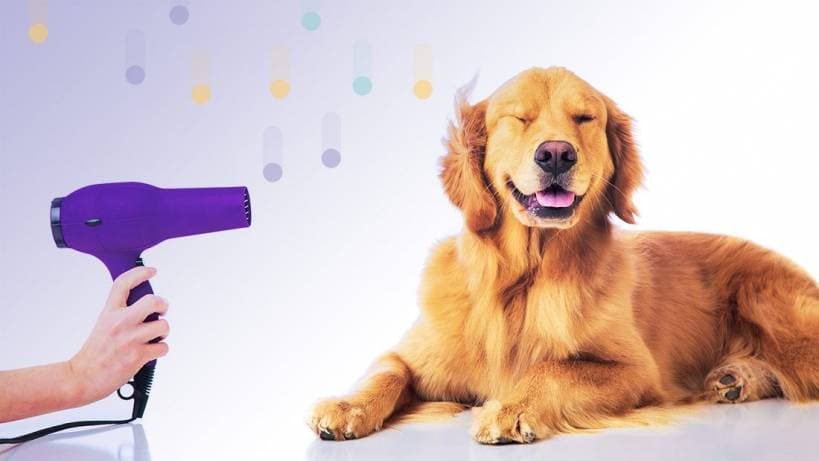
Prepare towels and a nonslip surface before starting. Use comfortable water temperature, protect eyes and ears from direct water and shampoo, and dry the coat appropriately. Avoid hot dryers or leaving a dog unattended with drying equipment. Check that dense areas are dry rather than assuming a dry outer surface means the whole coat is finished.
Include more than hair
Check nails regularly and learn a safe trimming technique from someone experienced. If you cannot identify how much to remove, ask for a demonstration rather than guessing. Look between the toes after walks for debris and irritation.
Inspect ears without pushing tools into the canal. Persistent smell, redness, discharge or head shaking needs veterinary advice. Introduce toothbrushing with dog-safe toothpaste and gentle handling; a haircut does not address dental disease. New lumps, sores or patches of hair loss should also be assessed.
Make care cooperative
Start with a brief touch and reward, then build towards a few brush strokes or a short paw hold. Practice when the dog is calm and end before frustration grows. A puppy does not need to tolerate an entire adult grooming routine in its first lesson.
Keep a simple record of grooming appointments and any skin changes. A sudden dislike of handling may reflect discomfort, so investigate rather than assuming disobedience. A realistic routine, supported by professionals where needed, keeps grooming focused on comfort and health as well as appearance.