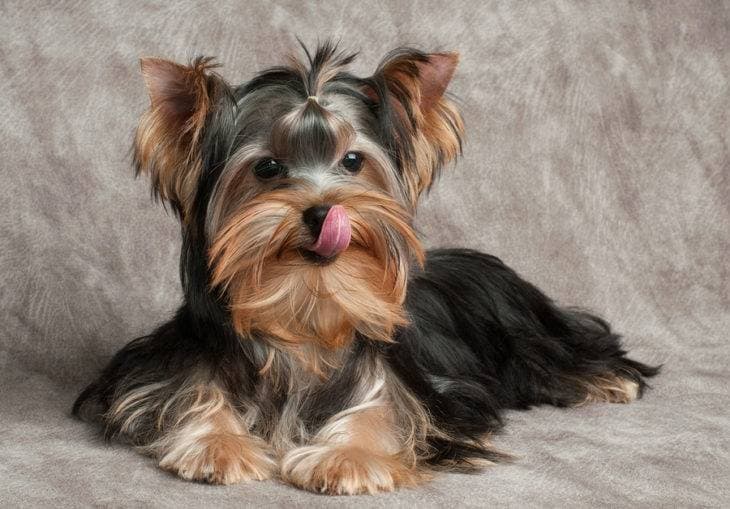
The Yorkshire Terrier is a small dog with a lively terrier background and a coat that can grow long. Its size can make some practical tasks easier, but it still needs exercise, training, grooming and veterinary care. A puppy's sex does not determine which family member it will prefer or how obedient it will be.
A small dog with real activity needs
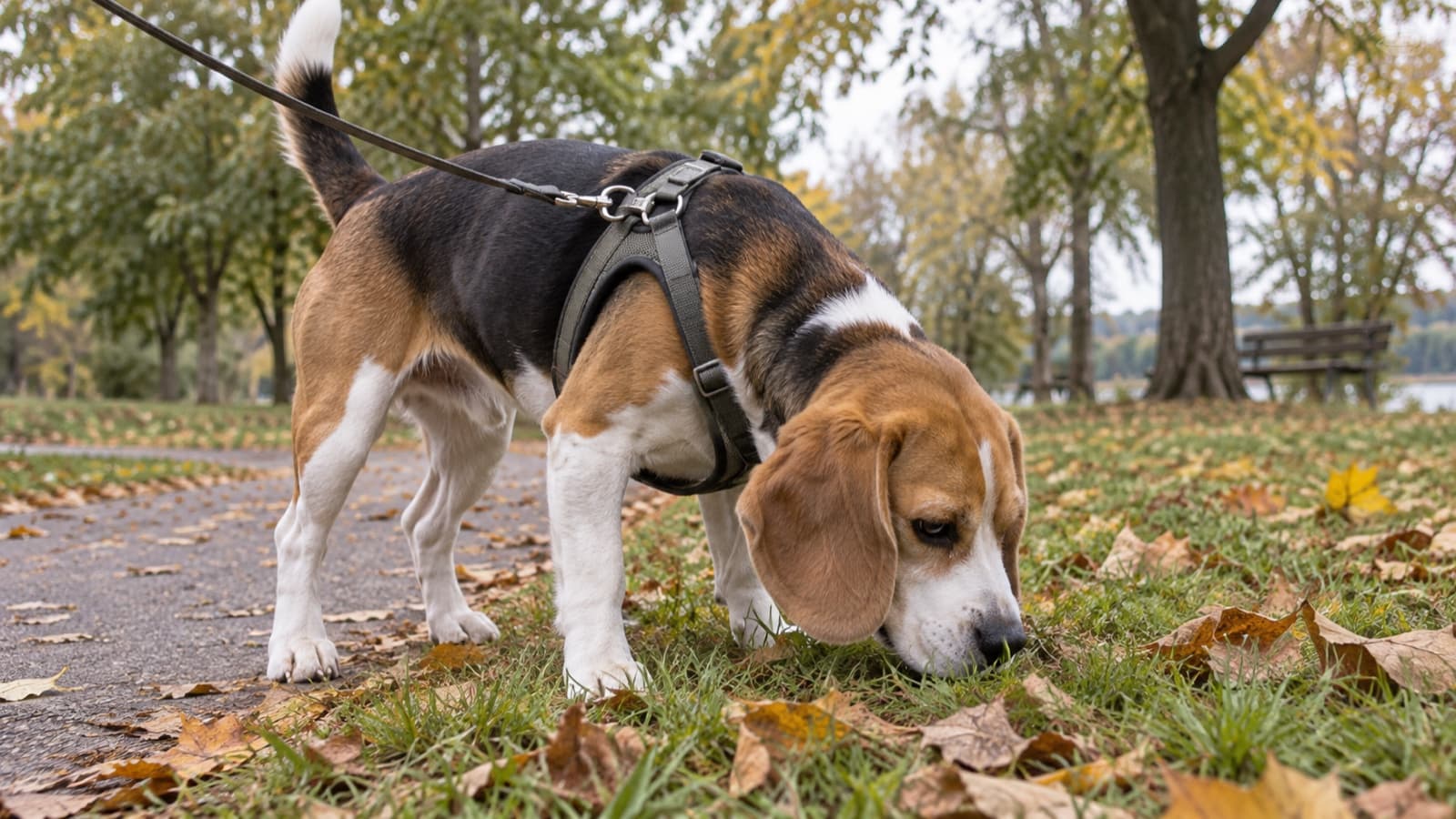
Many Yorkies enjoy sniffing walks, games and opportunities to investigate. Adapt outings to age, fitness and weather, using a well-fitting harness or other suitable equipment. Indoor play can supplement walks, especially during extreme weather, but it should not be the only enrichment the dog experiences.
Check fences for gaps and supervise garden time. Keep identification details current and secure doors before visitors arrive. Small dogs can get into spaces that would stop a larger animal. Never rely on a puppy's apparent attachment to you as a substitute for a leash near roads.
Gentle, safe handling
Teach children to sit down for calm interaction and support the dog securely when lifting is necessary. Do not allow squeezing, chasing or carrying it around as a toy. A tolerant dog can still be injured, and a frightened one may bite to make handling stop.
Manage encounters with larger dogs carefully. Friendly intentions do not eliminate the risk of accidental injury during rough play. Give your Yorkie room to withdraw and choose suitable play partners rather than expecting it to defend itself. Supervision matters more than stereotypes about small-dog bravery.
Training that helps daily life
Use small rewards and short sessions to teach name response, recall, waiting at doors and settling on a mat. Reward calm behavior around visitors and everyday sounds. Practice a clear toilet routine, including frequent opportunities for a puppy, and clean accidents without punishment.
Small size is not a reason to ignore fear or guarding. If the dog repeatedly growls during handling, seek help and consider pain as a possible cause. Build comfortable periods apart gradually rather than assuming that another pet will solve distress when you leave.
Coat maintenance
A long silky coat needs frequent careful combing to prevent tangles near the skin. A shorter pet trim may be easier to maintain, but it still needs regular checking. Ask a groomer to demonstrate the right tools and an appointment schedule suited to your dog's coat and lifestyle.
Bathing does not remove established mats and may tighten them. Deal with tangles safely before washing, and never cut close to the skin with scissors. Use a suitable dog shampoo, rinse well and dry comfortably. The best bathing frequency depends on the individual, not simply on the breed name. Before the first appointment, tell the groomer about sensitive areas and practice brief, gentle handling so the tools and routine are less unfamiliar.
Teeth, food and health
Yorkies can develop dental problems, including retained baby teeth and periodontal disease. Introduce daily toothbrushing when possible and arrange veterinary dental checks. Ordinary dry food does not reliably clean teeth, and nutritionally complete wet food is not inherently a way to spoil a dog's appetite.
Feed a complete diet in measured portions and monitor body condition. Tiny puppies may need a specific meal schedule to reduce the risk of low blood sugar; ask the veterinarian for an individual plan. Weakness, trembling, collapse or refusal to eat in a young toy-breed puppy needs prompt advice.
Ask about relevant health screening when choosing a puppy, including knee and eye checks, and discuss known family conditions. Keep nails comfortable and investigate persistent coughing, limping or digestive changes. Budget for professional grooming and medical care as well as food: the smallest dog is not necessarily the least expensive to keep well.