Puppies learn throughout the day, including when people are not deliberately training them. A useful starting point is to decide which behaviors you want, make those easy to practice and reward them consistently. Lessons work best when the puppy feels safe, interested and able to rest afterward.
Teach attention first
Say the puppy's name once in a quiet room. When it turns toward you, mark that moment with a cheerful word and give a small reward. Repeat a few times, then stop. Avoid calling the name continuously or using it mainly before scolding, as this makes it less useful as an attention cue.
Gradually practice farther away and around gentle distractions. If the puppy cannot respond, simplify the task instead of raising your voice. Coming when called should lead to something worthwhile; do not routinely call a puppy over to punish it or end every enjoyable activity.
Make rewards clear and safe
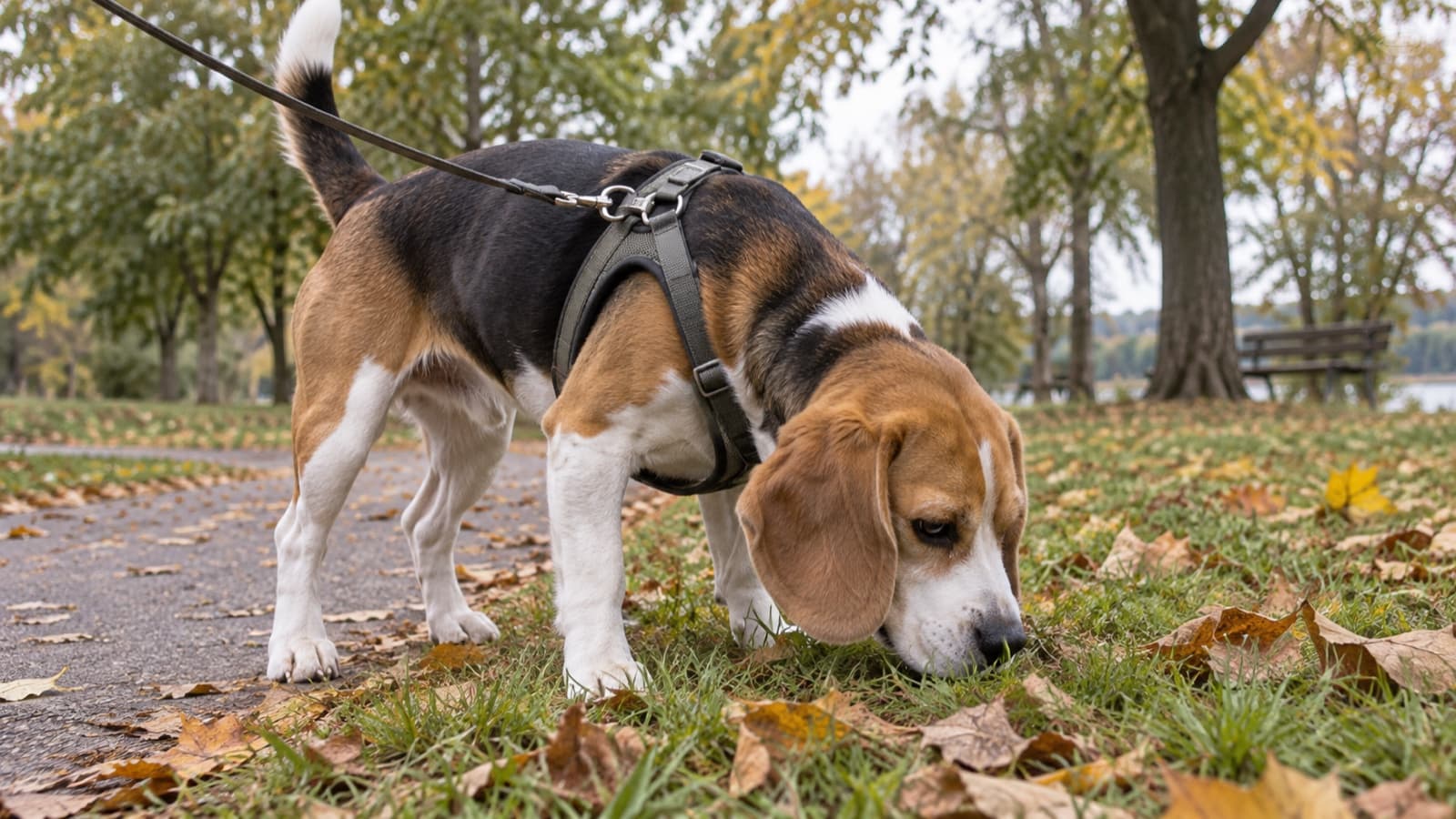
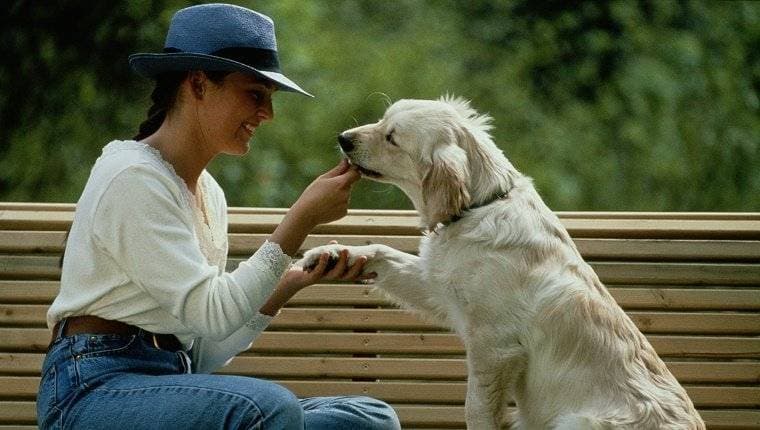
Food, play and access to interesting smells can all be useful rewards. Use tiny food pieces and count them within the day's intake. Do not withhold normal meals to make a puppy cooperate. Introduce new foods cautiously and avoid ingredients that are unsafe for dogs.
The American Veterinary Society of Animal Behavior recommends reward-based methods for training and behavior problems. Physical corrections, frightening confrontations and equipment intended to cause pain are unnecessary. Ask a suitably qualified trainer for help if a puppy is frightened or repeatedly struggles with an exercise.
Use toys thoughtfully
Choose toys that suit the puppy's size and chewing style. Inspect seams and remove damaged items before stuffing or fragments can be swallowed. Food toys should be easy enough for a beginner, washable and filled with suitable food from the puppy's allowance. Supervise new toys before deciding whether they can be left available.
A gentle tug game can teach taking a toy and releasing it. Keep the toy low, avoid sharp jerks and never lift the puppy by its mouth. Pause when teeth touch skin, then restart more calmly. Teach a release by offering a worthwhile trade rather than prying the jaws open.
For retrieving, begin with a short roll of a toy in a quiet space. Reward the puppy for approaching you with it, then trade and play again. Chasing the puppy to seize an object can turn keeping away into the most exciting part of the game.
End before frustration builds
A few successful repetitions are enough for a young learner. Alternate practice with sniffing, chewing appropriate items and sleep. If the puppy bites harder, races about or loses interest, it may need a toilet break or rest rather than a longer lesson.
Agree on household cues so that everyone asks for the same behavior. Keep a simple note of what the puppy can do in different settings. Progress means reliable, comfortable responses over time, not completing a fixed list by a particular age.