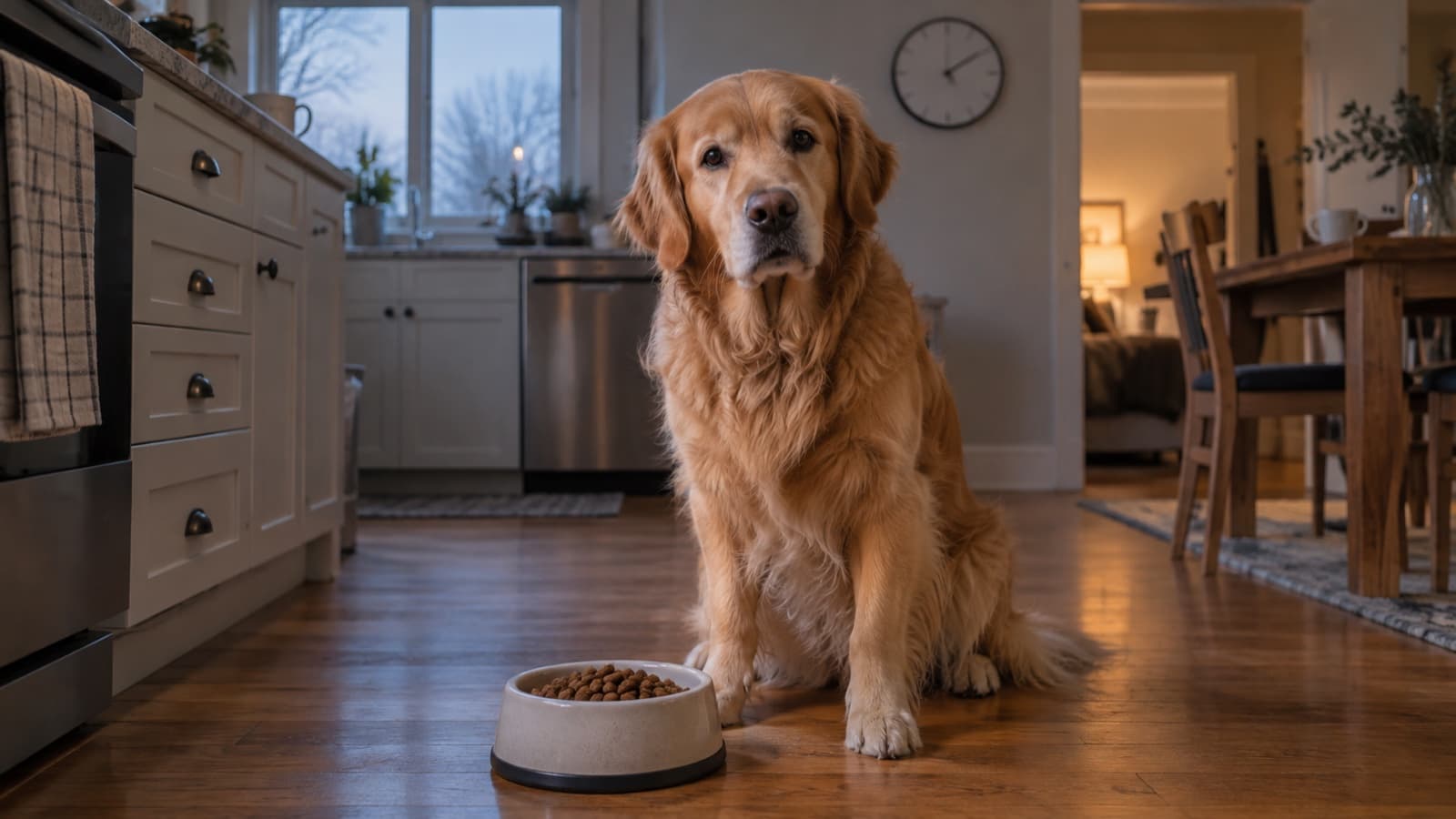
A dog's first pregnancy needs planning and veterinary support. Breeding is not necessary for a dog's health or happiness, and a first litter is not automatically straightforward. Before mating, consider the mother's health, inherited risks, temperament, suitable homes for puppies and the cost of emergency treatment.
Plan before mating
Arrange a prebreeding examination and discuss the health screening recommended for both parents. Breed-specific tests are only one part of responsible selection. General health, age, body condition and the ability to care for the litter also matter.
Review vaccination, parasite prevention and medication before pregnancy. Do not give products simply because they were safe at another time; suitability can change during reproduction. Ask the veterinarian what records to keep and whom to contact outside normal clinic hours.
Heat cycles vary between dogs. Calendar rules such as mating on days ten to sixteen are not reliable for every individual. If breeding is planned, veterinary reproductive assessment can help determine timing. Coat changes, discharge color or a dog's willingness to stand are not precise substitutes for appropriate testing.
There is no reliable rule that spring mating creates stronger puppies or that autumn mating protects the mother. Good health, suitable care and responsible breeding decisions matter throughout the year. Keep a female in heat securely separated from unintended mates for the full period advised by the veterinarian.
Confirm pregnancy appropriately
Pregnancy cannot be confirmed from appetite, nipple size or behavior alone. Similar changes can occur during a false pregnancy. Veterinary pregnancy testing may include ultrasound or a relaxin blood test at an appropriate stage; a test performed too early may need repeating.
Pregnancy in dogs is approximately nine weeks, but the expected date depends on how timing was established. A mating date is less precise than a known ovulation date. Do not assume that a large litter will always arrive on a particular earlier day.
Ultrasound can help assess pregnancy and fetal viability, but it is not the most reliable way to count the final litter. Later radiographs may help establish the number of puppies when the veterinarian considers them appropriate. Knowing the expected number can assist assessment during and after delivery.
Feed for changing needs
Discuss a complete diet suitable for reproduction and a plan for adjusting food as pregnancy advances. A healthy dog does not need her food doubled immediately after mating. Excess body fat can complicate care, while inadequate intake can also be harmful.
Smaller, more frequent meals may become useful later in pregnancy. Monitor body condition and appetite rather than relying on a fixed percentage increase for every dog. Keep clean water readily available, and prepare for the greater demands of nursing after birth.
Do not routinely add calcium, bone meal or vitamin mixtures. Supplements can disturb a balanced diet and should be used only under veterinary direction. If the dog eats a home-prepared diet, obtain specialist advice before breeding rather than improvising changes during pregnancy.
Maintain a comfortable routine
Continue suitable gentle activity according to the veterinarian's advice and the dog's comfort. Avoid rough play, overheating and activities that risk falls or injury. Let the dog rest, and report unusual lethargy, pain, vomiting or a persistent appetite change rather than assuming these are normal pregnancy signs.
Keep daily notes about food, behavior and any discharge or other concerns. An accurate timeline helps the veterinary team assess a problem. Do not press on the abdomen or attempt to count puppies by feeling for them at home.
Prepare a safe whelping area
Set up a quiet, clean, familiar area before the expected birth. The whelping box should fit the mother comfortably, allow safe entry and include features that reduce the risk of trapping puppies. Use bedding that is easy to replace and does not form loose folds that can entangle newborns.
Discuss temperature control with the veterinary team. Newborns need appropriate warmth, but uncontrolled heaters and direct contact with heating pads can cause burns or overheating. The mother must also be able to move away from excessive heat.
Prepare clean towels, a reliable scale, written contact numbers and transport arrangements. Ask which supplies the clinic recommends and what procedures, if any, they expect you to perform. Internet instructions for cutting cords, suctioning airways or giving medicines should not replace a practical veterinary plan.
Know when birth needs urgent help
The VCA guidance on problems at birth describes situations requiring veterinary assistance. Contact the clinic urgently for prolonged strong straining without a puppy, a visibly stuck puppy, heavy bleeding, collapse or severe distress. Green discharge before the first puppy also warrants immediate advice.
Ask in advance for specific guidance on intervals between puppies and the expected delivery date. Do not delay a call because a general article says that waiting is usually safe. The mother's condition and the details of the labor determine the response.
Never pull forcefully on a puppy or give oxytocin or calcium without veterinary instruction. Obstruction and other complications may require urgent treatment or surgery. Keep the emergency route and transport ready throughout the expected whelping period.
Check the mother and litter afterward
Arrange the recommended postpartum examination. Monitor nursing, the mother's appetite and each puppy's weight and warmth. A puppy that is weak, persistently crying or failing to gain weight needs prompt advice. Tremors, marked restlessness, weakness or illness in the mother also requires urgent assessment.
Care continues well beyond delivery. Plan cleaning, feeding support, veterinary visits and gradual puppy development with enough time and help available. A prepared caregiver can recognize a change early and get assistance before a manageable problem becomes an emergency.