Good coat care supports comfort and gives owners a chance to notice changes in the skin. It is not a competition to produce the shiniest dog or to remove every loose hair after every walk. Coat type, lifestyle, age and health determine what is useful.
AnimalsSale's long-haired dog breeds guide can help identify coat types, but an individual dog's condition still matters. Likewise, the small dog breeds guide is not a grooming schedule: body size alone does not determine how often a dog needs brushing or trimming. Ask a groomer or veterinary professional about the coat you actually have.
Select tools for the task
Brushes and combs differ in tooth length, spacing and flexibility. A tool suitable for loose undercoat may be too harsh for another dog's skin. Natural materials are not automatically safer than synthetic ones, and a stiff brush is not always more effective. Choose a tool you can control gently and ask for a demonstration when uncertain.
Work in small areas, checking beneath the surface and supporting longer hair so it does not pull. Pay attention behind the ears, beneath the legs and around harness contact points. Stop if the dog becomes tense or the skin is being scraped. Brushing should not mean repeatedly rubbing away the surface of the skin for a massage effect.
Build a manageable routine
Inspect the coat after outings for burrs, debris and parasites, and clean only as needed. Some coats require frequent thorough combing; others need less work. A brief daily check helps identify problems before they become extensive, even when a full grooming session is not necessary that day.
Introduce handling gradually and reward cooperation. Let the dog stand or rest in a comfortable position on a non-slip surface. If a previously cooperative animal becomes sensitive, consider pain or illness before assuming it is being difficult.
Mats and difficult debris
A small loose tangle may be eased apart gently, but dense mats close to the body need professional attention. VCA's grooming safety advice warns against using scissors on mats because skin can be injured. Do not pull repeatedly at a knot or assume a bath will loosen it; wetting a tangled coat can make subsequent work harder.
Sticky substances and unknown contamination deserve special care. Avoid solvents, strong cleaners and essential oils on the dog. Prevent licking where safely possible and contact a veterinarian if toxicity is a concern. Show the groomer any sore area before attempting cosmetic work.
Trimming and specialist coats
Some continuously growing coats need regular haircuts, while certain wire coats may be maintained with specialist techniques such as hand stripping. These are not interchangeable procedures for every breed. Discuss the dog's coat, skin, tolerance and your maintenance goals with a qualified groomer rather than applying a fixed seasonal timetable.
There is no universal rule that small dogs need several haircuts each month or that hair around every ear must be removed every three months. Work near eyes, ears, paws and the rear requires particular care. Seek professional help if hair obstructs vision, traps waste or causes discomfort; do not make blind cuts near delicate skin.
A healthy double coat should not automatically be shaved close for summer, but medical needs or severe matting may change the decision. Ask about the individual case. A trim does not replace shade, water or avoiding strenuous activity in heat, and exposed skin may need additional protection.
Bathing for a reason
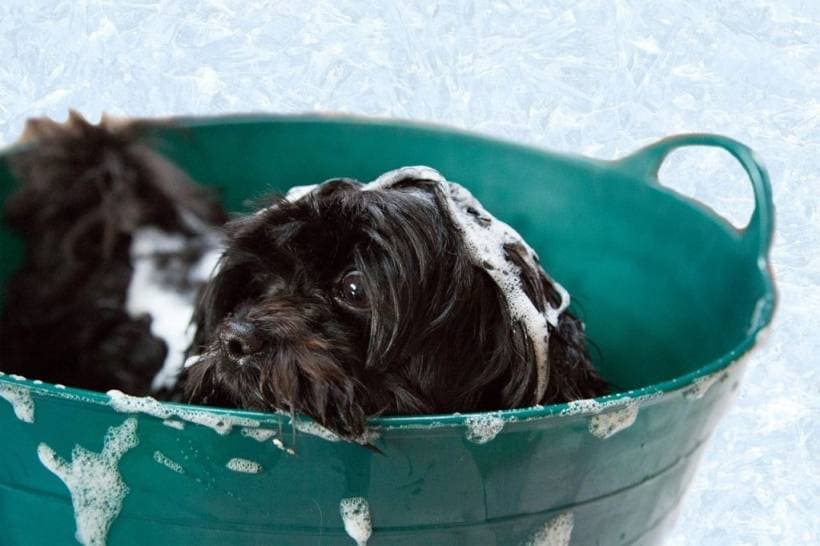
Bath frequency depends on dirt, coat, lifestyle and any prescribed skin treatment. One interval of two or three months is not right for every dog. Use a dog-appropriate shampoo and follow the label or veterinary directions. Dilute only as instructed; stronger mixtures or extra product do not necessarily clean better.
Prepare towels and non-slip footing before starting. Use comfortable water and gentle flow, protecting the face and ears. Work through the coat carefully and rinse thoroughly. Medicated products may require a particular contact time, so ask the clinic to explain the complete procedure and what to do if the dog cannot tolerate it.
Drying and paws
Towel gently and use drying equipment only when the dog tolerates it and temperature and airflow are safely controlled. Never leave a dog unattended under a dryer. Dense coats need appropriate drying, but noisy or hot equipment should not be forced on a frightened animal. Arrange professional support when the task exceeds what you can manage comfortably.
Do not deny a necessary toilet break simply because the dog was bathed. Plan bathing around the routine and keep any required outing brief and appropriate to conditions. Check paws after walks and rinse contaminants when needed, especially salt or de-icing products. Dry between toes and investigate redness, persistent licking or damaged pads.
When grooming is not enough
Odor, dandruff, itching, bald patches or recurring soreness may have medical causes. Repeated bathing or a new brush cannot diagnose the problem. Record when changes began and tell your veterinarian about products used. The best grooming plan keeps the dog comfortable while making health changes easier to notice.