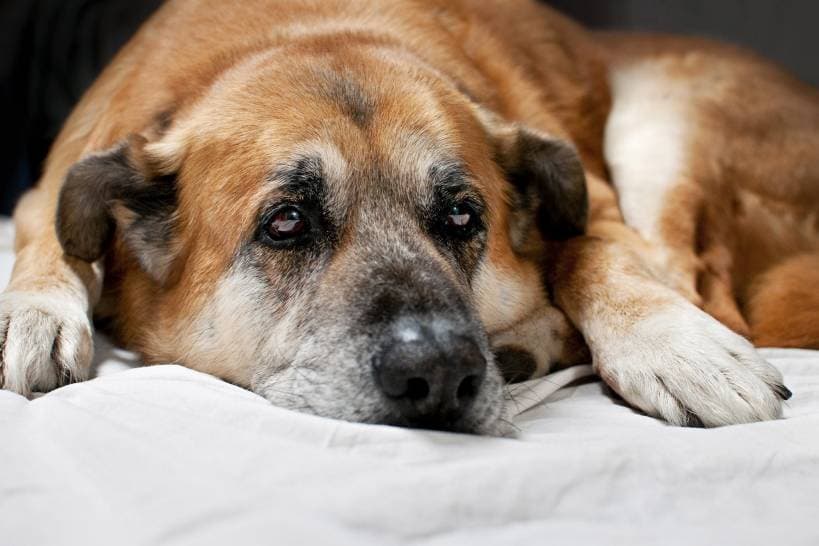
Dogs can show withdrawal, reduced interest in play and changes in appetite after a disruption such as a move, a household change or the loss of a companion. Owners often describe this as depression. The description may be understandable, but it does not tell us whether the cause is emotional distress, pain or another medical problem.
A dog does not become unwell simply because its owner is sad, and a physically strong dog is not immune to distress. Start by looking at the individual animal and what has changed, without blaming yourself or the dog.
Rule out illness first
Arrange a veterinary assessment when a dog is unusually quiet, sleeps differently, stops enjoying familiar activities or eats less. Dental pain, mobility problems and other illnesses can change behavior. Tell the vet about the timing, recent events and any changes in drinking, toileting or movement.
Seek urgent advice for collapse, breathing difficulty, repeated vomiting or marked weakness. Do not wait several days on the assumption that sleep will cure the problem. A puppy, senior dog or pet with an existing condition may need especially prompt assessment when food intake falls.
Support a grieving or unsettled dog
VCA's advice on grieving pets describes changes that may follow the loss of an animal companion. Keep meals, walks and bedtime reasonably predictable, while allowing the dog to choose quiet rest. Offer familiar company without insisting on cuddles or games. There is no fixed recovery deadline that applies to every pet.
A new animal is not an automatic solution. Bringing one home before the household is ready can add pressure, and the resident dog may not want immediate social contact. Discuss persistent problems with your veterinary team before making a major change intended to cheer the dog up.
Offer manageable activity
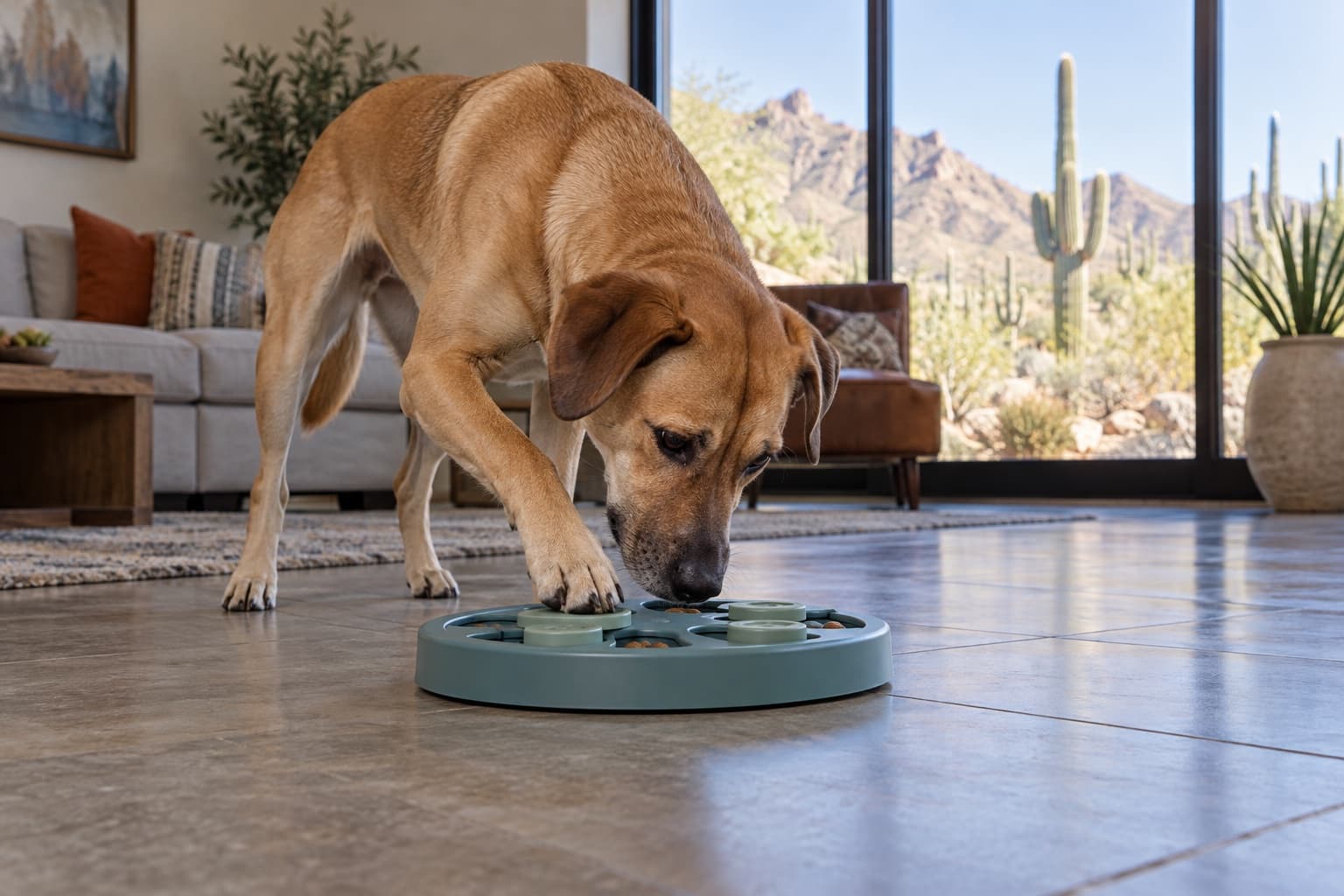
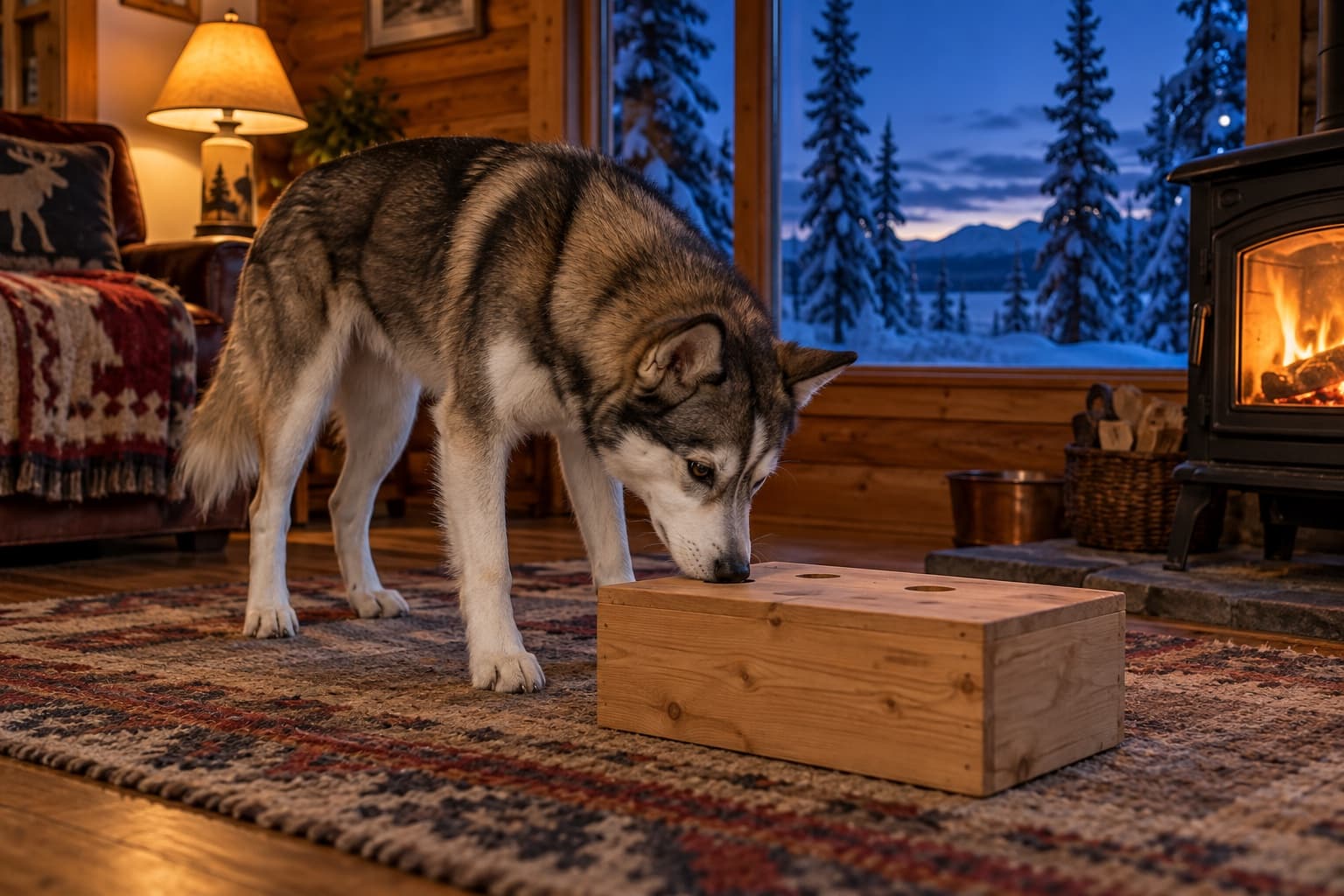
Try a short sniffing walk, a simple food-search game or a familiar toy if your dog is interested and physically comfortable. Let the dog's response guide you. A long, intense outing or a crowded dog park may overwhelm a worried animal rather than help.
Keep activities easy enough for success. Reward voluntary engagement, then allow a break. If the dog turns away, freezes or tries to leave, reduce the challenge. Do not drag a reluctant dog toward other animals or punish growling; it is information that more space is needed.
Notice patterns and seek a plan
Keep a brief daily record of meals, sleep, walks and events that seem to precede distress. A camera can help you observe what happens during ordinary absences, provided you do not deliberately leave the dog to panic. Pacing, vocalizing or destructive behavior when alone may call for a separation-related treatment plan.
A veterinarian can recommend a qualified behavior professional and decide whether medication would help alongside environmental changes and training. Never share human antidepressants, sedatives or herbal products with your dog. Treatment should address the cause and be reviewed as the dog responds.
Give yourself realistic goals: eating comfortably, resting well and showing interest in a small activity are useful observations. Record setbacks as well as improvements. Consistent care and early help are more reliable than expecting a worried dog to recover on a particular timetable.