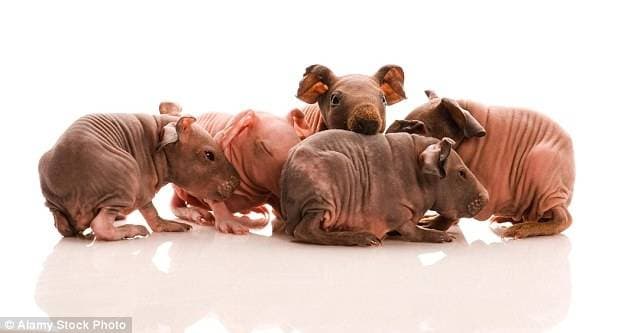
Hairless rats can be engaging companions, but choosing one should involve more than an appearance. The informal name "Sphynx rat" does not promise a particular temperament or lifespan. Consider both the enjoyable aspects of rat keeping and the responsibilities that come with exposed skin.
Seven possible appeals
First, rats can be interesting to observe as they explore and investigate. Second, they can learn routines and simple rewarded behaviors. Third, many develop familiar interactions with their caregivers, although the degree of interest in handling varies.
Fourth, compatible rat companions provide opportunities to watch social behavior. Fifth, an enriched enclosure can include climbing, hiding and foraging activities. Sixth, a carefully secured exercise area offers additional variety. Seventh, daily care can become a rewarding routine for a household prepared to participate consistently.
These are possibilities, not guarantees. An individual may be shy, unwell or uncomfortable with restraint. Hairlessness does not make a rat fearless or prevent biting, and a pet should never be given as a surprise gift to someone who has not agreed to its care.
Seven responsibilities
First, provide compatible rat company. Blue Cross rat-care guidance explains that rats are social animals and are generally kept in pairs or groups. Introductions and sex identification need care; a human companion does not replace another rat.
Second, provide spacious, secure housing with safe furnishings. Check for rough edges, damaged fabric and places where a fall or trapped limb could cause injury. Clean, dry resting areas are particularly important when skin lacks a protective coat.
Third, maintain a comfortable environment. Avoid direct sun, cold drafts and uncontrolled heaters. Do not rely on another rat to keep a poorly housed animal warm or assume that hairlessness makes hot conditions safe.
Fourth, monitor skin and eyes without over-treating them. Persistent redness, sores, swelling, squinting or discharge needs veterinary assessment. Routine oils, human creams and repeated bathing can create problems rather than prevent them.
Fifth, feed an appropriate balanced rat diet and monitor body condition. A hairless rat may have different energy needs from a coated companion, but portions should reflect the individual. A pile of seeds and household scraps is not a reliable complete menu.
Sixth, budget for veterinary care. Respiratory signs, reduced appetite, lumps, wounds or unusual lethargy require timely attention. A short lifespan does not make illness inevitable or treatment unimportant, and no exact lifespan can be promised from coat type alone.
Seventh, consider household allergies and hygiene. Hairless rats still produce allergens in skin material, saliva and urine. They are not guaranteed hypoallergenic or odorless. Discuss existing allergies with a clinician and keep a consistent cleaning routine.
Make the decision before acquisition
Identify a rat-experienced veterinarian, prepare the enclosure and agree who will provide care during holidays or illness. Request reliable health and background information from the rescue or breeder. Do not breed casually; reproduction introduces additional welfare concerns and requires experienced support.
A suitable home is one that can meet the animals' needs even when they are less interactive, require treatment or develop care difficulties. That practical commitment matters more than whether their unusual appearance impresses visitors.