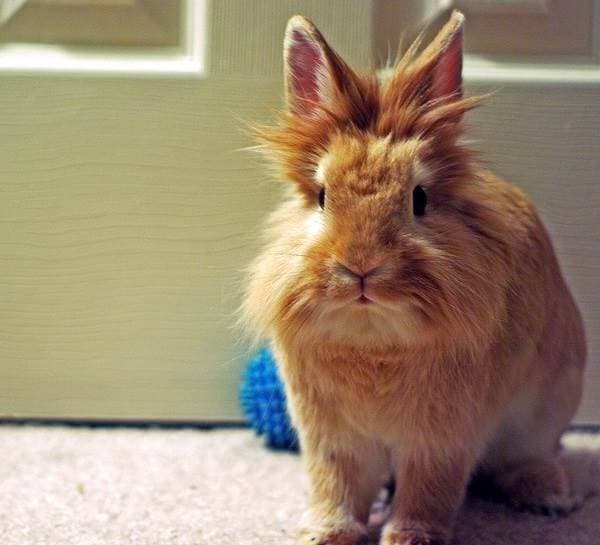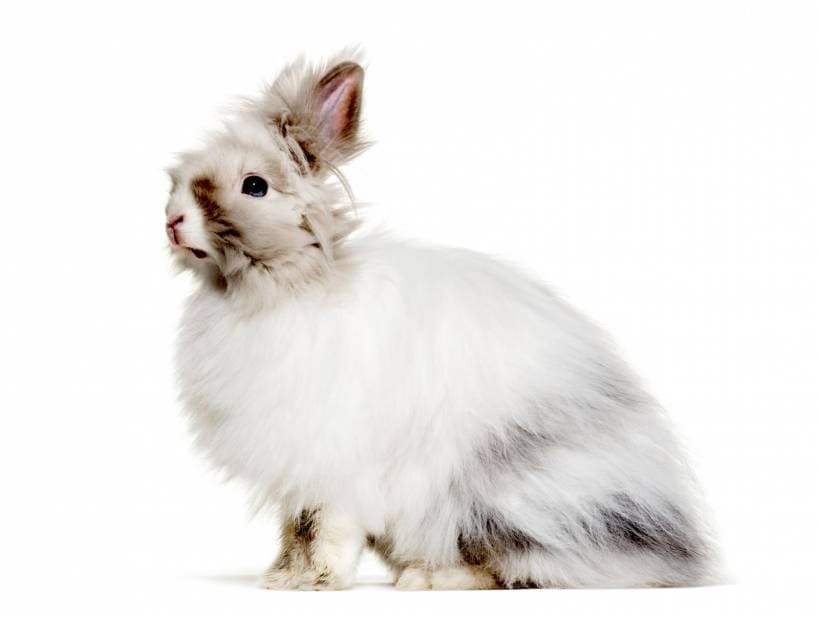
Angora rabbits are known for their long woolly coats. That coat brings additional work, but their basic needs remain those of other rabbits: room to move, suitable rabbit companionship, a high-fiber diet and preventive veterinary care. Rabbits are lagomorphs, not rodents.
Plan for the grooming commitment
Inspect the coat every day, especially around the legs, belly and rear. Mats can pull on delicate skin and hide dirt or injury. Grooming frequency and clipping needs vary with the individual coat, so ask an experienced rabbit professional to demonstrate safe techniques.
Do not pull out attached wool or cut close to the skin with scissors. Rabbit skin tears easily, and a mat can conceal a fold of skin. A badly matted coat may need veterinary attention. Avoid hot hairdryers and stressful restraint that forces the rabbit to struggle.
The Rabbit Welfare Association's care guide includes advice on long-haired rabbit grooming. Make sessions short and calm, with the rabbit supported securely. Ask for help if grooming causes repeated fear or discomfort rather than waiting for the coat to become unmanageable.
Support the digestive system
Provide good-quality hay or suitable grass as the main food, with an appropriate measured pellet ration, suitable greens and fresh water. Routine vitamin additions are not needed unless prescribed. Fruit is a treat, not a staple.
Rabbits cannot vomit hairballs like cats. Swallowed hair and reduced gut movement can be part of a serious digestive problem, but loss of appetite should not simply be diagnosed as "choking on fur." A rabbit eating less or producing fewer droppings needs urgent veterinary advice.
Provide space and companionship
A roomy, secure living area should allow running, stretching and exploration, with retreats and nonslip surfaces. A small hutch is not enough. Protect cables and household hazards indoors, and provide predator-proof shelter and weather protection outdoors.
Plan for a compatible bonded rabbit companion and discuss neutering and introductions with a rescue or veterinarian. Breeding is not necessary to enjoy keeping Angoras and adds substantial responsibilities and health risks.
Check more than the coat
Watch weight, appetite, movement and the cleanliness of the rear each day. Dense wool can hide weight loss and skin problems. Keep the environment cool and well ventilated, and pay particular attention during warm weather.
Arrange vaccination and other preventive care appropriate to your location. A clean, comfortable coat supports welfare, but it cannot compensate for dental disease, inadequate space or a diet that does not meet the rabbit's needs.