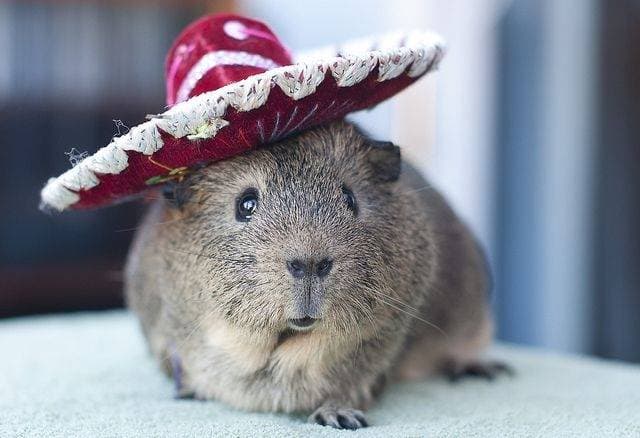
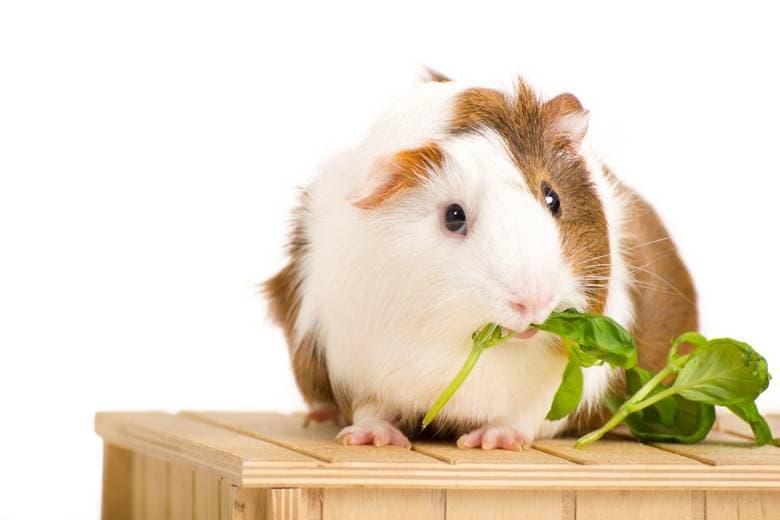
Guinea pigs need room to move, compatible companionship and a high-fiber diet. A small box and occasional scraps cannot meet their needs. Prepare their home and identify a veterinarian who treats guinea pigs before bringing them home.
Comfortable housing and company
Provide a spacious, secure enclosure with a solid floor, good ventilation and places to hide. Give each guinea pig access to shelter, food and water without having to compete. Compatible pairs or groups benefit from living together, but introductions need planning. Confirm sexes accurately and discuss neutering when relevant to prevent unplanned litters.
Use safe, absorbent, low-dust bedding and keep the sleeping area dry. Remove wet patches and soiled material daily, then clean more thoroughly as needed. Strong odors or damp bedding mean cleaning is overdue. Avoid treating a fixed twice-weekly schedule as suitable for every enclosure.
Protect guinea pigs from excessive heat, cold, dampness and sudden temperature changes. Outdoor accommodation needs protection from weather and predators, as well as regular checks. A shaded enclosure can still become dangerously hot. Do not leave a guinea pig in direct sun or in an enclosed space that traps heat.
Hay is the main food
Offer unlimited good-quality grass hay, such as timothy or meadow hay, and replace dirty or damp hay. Its fiber supports digestion and the chewing needed for constantly growing teeth. Straw is useful in some bedding arrangements but is not a nutritional substitute for hay.
Provide an appropriate measured amount of guinea pig pellets and a daily selection of suitable fresh vegetables. Introduce unfamiliar foods gradually. Guinea pigs need vitamin C in their diet; fresh foods such as bell pepper and properly stored fortified pellets can contribute. Ask a veterinarian about an individual supplement if needed.
Rabbit or rat food is not an interchangeable substitute. Avoid sugary treats, bread, salty leftovers and unsuitable seed mixtures. Fruit should be an occasional small treat. Offer fresh, plain water at all times and check that bottles work; some animals prefer a heavy bowl. Do not add lemon juice, calcium or medicines to drinking water without veterinary direction.
Gentle handling and enrichment
Support the chest and hindquarters when lifting, and hold the guinea pig close to a secure surface. Children should sit down for supervised interaction. Guinea pigs can be injured by falls, and being chased or grabbed from above is frightening.
Provide tunnels, safe chew items and opportunities to forage in hay. Exercise areas must be protected from electrical cords, toxic plants and other pets. Introduce fresh grazing gradually and only where the grass is free from pesticides and contamination. Never offer lawnmower clippings.
Check health every day
Watch appetite, droppings, breathing and movement, and weigh regularly on a suitable scale. Weight loss may be easier to detect than subtle changes under the coat. A guinea pig that stops eating, produces markedly fewer droppings or has difficulty breathing needs prompt veterinary care. Do not wait several days to see whether a favorite treat restores its appetite.