The Easter Bunny is a familiar holiday figure in many places, but it is not a universal Christian symbol. Easter celebrates the resurrection of Jesus; the egg-bringing rabbit belongs to the customs and stories that developed around the holiday.
A hare before a bunny
German-speaking traditions included an Easter hare associated with hidden eggs. The Library of Congress traces written evidence of the custom to the seventeenth century, rather than treating a much earlier origin as established fact. German-speaking communities helped carry the tradition to North America, where it developed into the familiar Easter Bunny.
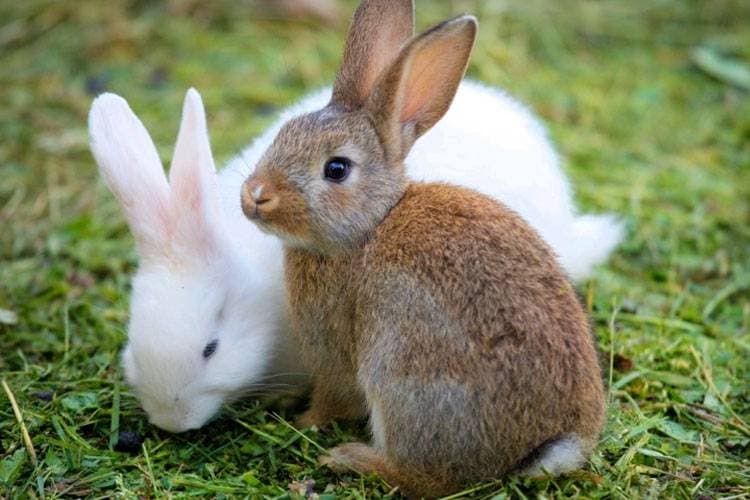
Hares and rabbits are related but different animals. In everyday holiday language, the distinction often disappears. Stories, illustrations, toys and confectionery have helped turn the egg-bringing hare into the rounded rabbit many children recognize today.
What about a spring goddess?
A popular explanation links the bunny directly to the goddess Eostre and a pre-Christian fertility festival. The surviving evidence does not establish that simple chain of events. Later interpretations and modern retellings should not be presented as a documented ancient origin for the Easter Bunny.
Rabbits, eggs and spring can all suggest new life, which makes the association understandable. Symbolic resemblance, however, is not proof that one particular ancient ritual produced the modern custom.
Enjoy the tradition without buying a surprise pet
Decorated eggs, stories, crafts and chocolate rabbits offer ways to enjoy the holiday. Customs vary between families and countries, and no single version represents every Easter celebration.
A real rabbit needs a suitable home, rabbit companionship, daily care and veterinary support for years. It should never be an impulsive seasonal gift. If a family is considering rabbits, research their needs together and make the decision separately from the excitement of the holiday.