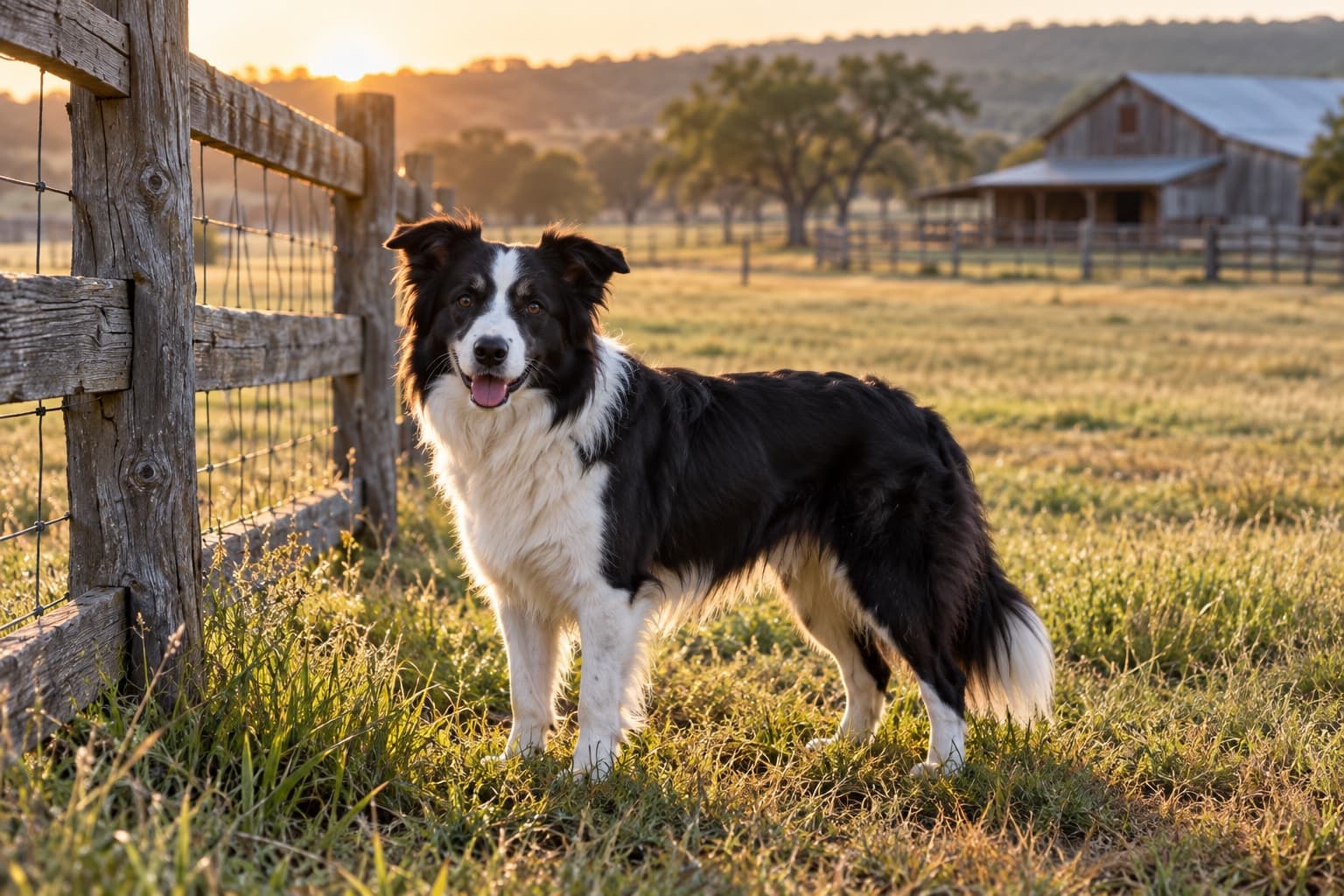
Choosing a dog involves more than deciding which breed looks appealing or resembles your own personality. A lasting match depends on the dog's needs and the life you can realistically provide. Labels such as introvert, extrovert, choleric or phlegmatic do not form a reliable system for assigning people to breeds. Two dogs of the same breed can respond very differently to the same home.
Research on canine behavior shows why breed should not be treated as a complete personality forecast. Breed history can suggest tendencies worth investigating, but an individual dog's experiences, health and learning also matter. Use descriptions to develop questions, then look for evidence about the dog you are actually considering.
Start with an ordinary week
Write down when someone is available for toilet breaks, meals, walks and company. Include commuting, family commitments and days when the weather is unpleasant. A plan based only on weekends is unlikely to meet a dog's daily needs. If help is necessary, identify a realistic walker, sitter or family arrangement before bringing the dog home.
Think about the amount of interaction you enjoy as well as the amount you can provide. An enthusiastic dog that follows every movement may delight one household and overwhelm another. A more independent dog still needs attention and care. Neither should be expected to entertain itself indefinitely while people are unavailable.
Match activities, not ambitions
Consider the exercise you already do consistently. Choosing a high-energy youngster in the hope that it will transform your lifestyle creates a risk for both of you. A walking companion needs appropriate fitness and training, while a dog expected to run long distances needs an age- and health-appropriate plan. Small dogs may be energetic, and large dogs are not all endurance athletes.
Mental activity also matters. Some dogs enjoy searching, retrieving or learning new tasks; others prefer slower exploration and predictable routines. Ask what helps the dog settle after an outing. Constant excitement without rest is not the same as a well-balanced day. You should be able to offer both useful activity and a comfortable place to switch off.
Consider the home itself
Floor area is only part of suitability. Stairs, slippery flooring, secure exits, neighboring animals and noise can all affect daily life. An apartment may work for a dog with suitable care, while a large garden cannot compensate for isolation. Keeping several dogs together does not automatically meet their needs for human contact or individual attention.
Think about practical handling. Could you guide the dog safely through a busy doorway, manage it on a lead or arrange transport if it became injured? Lifting may be relevant in some homes, but it is not the only solution: accessible routes, equipment and reliable help can matter too. Ask your veterinarian about restrictions for a particular puppy or medical condition rather than applying blanket stair rules to every dog.
Meet the individual
Ask a breeder or rescue specific questions about reactions to visitors, handling, other animals and time alone. Request examples rather than accepting labels such as friendly or easy. Observe the dog in more than one ordinary situation when possible, without deliberately frightening or provoking it. A stressful kennel visit may not reveal how the dog behaves after settling into a home.
An adult dog with a documented foster history can sometimes offer more information about everyday habits than a young puppy. That is useful evidence, not a guarantee. Discuss a transition plan, support after placement and what happens if serious difficulties arise. Give the dog time to adjust instead of expecting immediate affection or perfect manners.
Include everyone affected
Household members should agree on responsibilities and boundaries. Children need adult support, and existing pets need thoughtful introductions with safe separation available. Do not choose a dog solely to guard a child, repair loneliness or provide emotional support without considering its own welfare. Companionship can be valuable without asking an animal to solve every human problem.
Consider grooming tolerance as well as coat length. A dog that needs frequent professional appointments requires both a budget and patient handling practice, even if you prefer a simple pet trim.
Plan beyond the purchase price
Estimate food, grooming, routine veterinary care, training, holiday care and unexpected treatment. Long coats, very large bodies and certain health needs may change the budget considerably. Ask for health records and discuss them with your veterinarian. The aim is a workable commitment through changes in age and circumstance, not a perfect personality match on paper.