
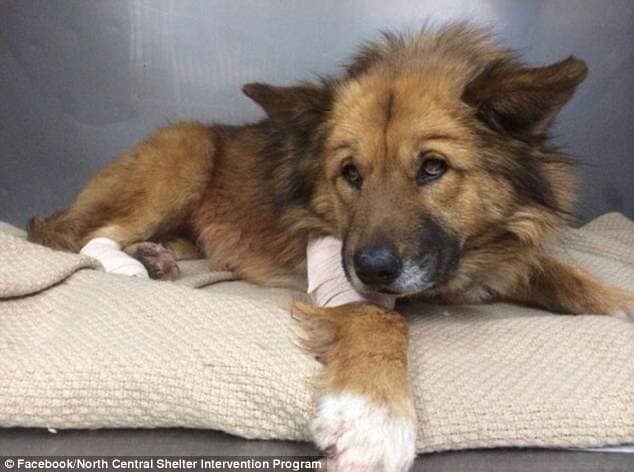
A fearful dog is experiencing an emotion, not failing a test of courage. Fear may appear as hiding, freezing, trembling, barking, lunging or trying to escape. Understanding the context helps you respond usefully.
Why fear develops
Genetics, early experience, learning, pain and illness can all influence behavior. Some dogs have had frightening experiences, but a rescue background alone does not prove abuse. Likewise, a puppy from a breeder can be fearful. Avoid inventing a history from one reaction.
New or worsening fear deserves a veterinary check, particularly if it appears with changes in movement, appetite, sleep or tolerance of touch. Hearing and vision changes can also make familiar events confusing.
Make the situation safer first
Increase distance from the trigger and provide an easy route away. Use secure, well-fitting equipment on walks and prevent access to escape routes during frightening events. A dog that has stopped moving may be overwhelmed rather than calmly accepting the situation.
Do not wait for an attack before helping a small dog avoid an unsafe encounter. Moving behind a barrier or picking it up when that can be done safely may be appropriate. Protecting a dog is not proof that you caused its fear. Avoid lifting it within reach of an approaching dog that could injure either of you.
Give the dog a quiet place at home where visitors and children do not follow. Let it choose whether to interact, and ask people to avoid leaning over, cornering or reaching toward it. Food can help form positive associations, but should not be used to lure a frightened dog closer than it can comfortably cope with.
Build confidence in small steps
Start far enough from the trigger that the dog can notice it without becoming overwhelmed. Pair that manageable exposure with something the dog values, then allow a break. The exact distance and session length depend on the individual; progress is measured by comfort, not how close you can get in one day.
For example, a dog worried about bicycles might begin by watching a stationary bicycle at a generous distance. Later steps could involve small movements before a rider passes farther away. Change one feature at a time and make the task easier if the dog becomes tense or tries to escape.
Repeated full-strength exposure is not the same as useful socialization. Forcing a dog to stay in a crowd or meet one dog after another can increase fear. Not all unfamiliar dogs are safe or suitable partners. Calm observation and carefully selected interactions are often better than busy group settings.
Offer comfort without pressure
During thunder or fireworks, keep the dog in a secure, familiar space and reduce noise and visual stimulation where possible. If it seeks gentle contact, you can offer reassurance. Comfort does not automatically reinforce the emotion of fear, and ignoring a distressed dog is not a requirement.
Some dogs prefer to hide; let them do so safely rather than pulling them out to play. Plan ahead with the veterinarian if predictable events cause severe distress. Medication may be part of an individual plan, but should be prescribed rather than borrowed from another animal or chosen informally.
Choose support carefully
A qualified reward-based trainer or veterinary behavior professional can help assess triggers and create a gradual plan. Ask how they handle fear and what they do when the dog struggles. Avoid methods that depend on pain, intimidation or removing every opportunity to retreat.
Keep a brief record of triggers, distance, intensity and recovery time. It can reveal improvements that are easy to overlook, such as settling sooner after a sound. If there is a bite risk, use secure separation and seek professional help promptly rather than testing the dog's limits.
Progress can be uneven. After an illness, move or unusually stressful day, a dog may need easier tasks again. Aim for a safer, more comfortable daily life and celebrate voluntary participation rather than expecting every dog to enjoy every person, place or animal.


