Dog grooming is more than choosing a hairstyle. Coat type, skin condition, age and tolerance of handling all influence the safest routine. A breed's show presentation may also differ from a practical pet trim, so discuss the purpose of grooming before selecting a method.
Understand the techniques
Brushing removes loose hair and helps prevent tangles. Clipping shortens hair with powered equipment, while scissoring shapes selected areas. Hand-stripping removes mature dead hairs from suitable coats and requires knowledge of coat condition and technique.
The AKC's hand-stripping guidance explains its use in wiry coats and the differences from clipping. It is not a general instruction to pluck every terrier, spaniel or griffon. A coat that is not ready, inflamed skin or an uncomfortable dog calls for reassessment.
Avoid blanket breed rules
Poodles need regular coat maintenance, but the interval depends on length, home care and the individual. Cocker Spaniels also need careful attention to areas prone to matting. Neither breed should be assigned a universal haircut schedule without looking at the actual coat.
Terriers have several coat types and are not all nonshedding dogs that should be shaved a few times yearly. Similarly, a Pekingese does not automatically need a monthly full haircut. Double coats generally need appropriate brushing and undercoat care, with clipping decisions made for a clear reason.
Put comfort before appearance
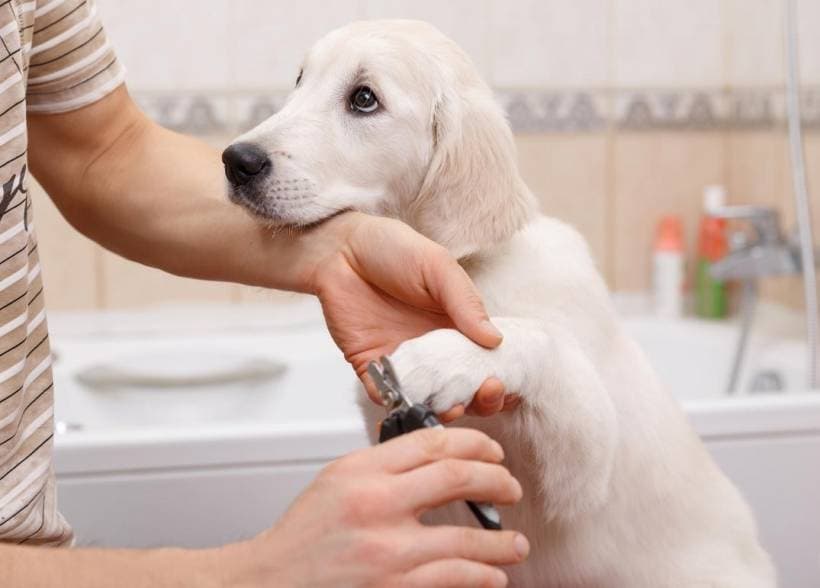
Introduce brushes, clippers and handling in short, rewarded steps. Work on a stable nonslip surface and allow breaks. Struggling, freezing or snapping may indicate fear or pain, not a need for firmer restraint.
Check for mats close to the skin before bathing. Pulling through severe tangles can hurt, and scissors can cut skin hidden inside a mat. Ask a groomer or veterinarian to deal with difficult areas rather than attempting a close cut at home.
Take care around sensitive areas
Eyes, ears, skin folds, paw pads and the genital area need particular caution. Do not insert tools into the ear canal or cut where the skin cannot be seen clearly. A professional can demonstrate safe routine care and identify tasks that should be left to trained hands.
Persistent redness, odor, sores or sudden sensitivity needs veterinary assessment. Grooming cannot cure an ear infection, skin disease or painful joint. Tell the groomer about medical conditions and previous handling difficulties before the appointment.
Plan maintenance between visits
Ask which tools suit the coat and request a demonstration of gentle brushing. A short practical style still needs checks for tangles and skin changes. Keep notes on areas that become uncomfortable or repeatedly matted so the routine can be adjusted.
Choose a groomer who explains the process, discusses welfare and is willing to change the plan when necessary. A comfortable, clean dog with healthy skin is a better outcome than an elaborate finish achieved through distress.
Tell the groomer about medication, skin treatments and any recent changes in behavior before work begins.