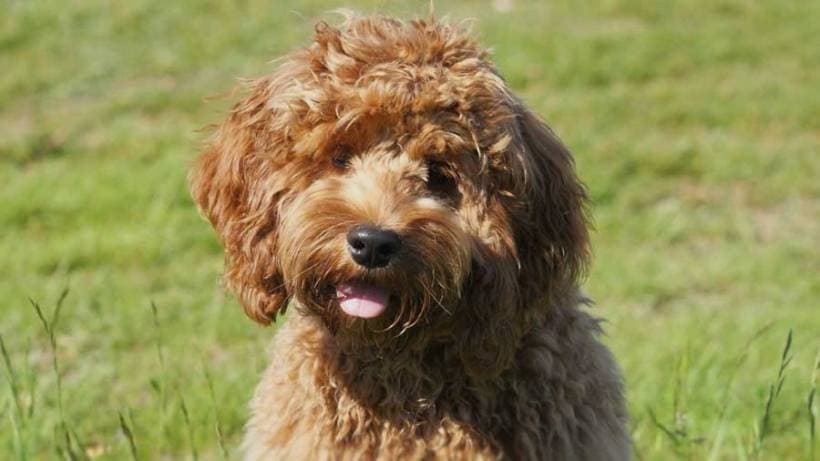
A Cockapoo is a cross associated with Cocker Spaniel and Poodle ancestry. The term does not describe one guaranteed size, coat or personality. The type of Cocker, Poodle size and later generations of breeding can all affect the puppies. Ask about the actual parents rather than relying on a standard-looking photograph or an informal size label.
A designer name does not establish that every breeder follows the same program or that a kennel club is about to recognize the cross as a breed. Check any registration claim directly with the named organization. More importantly, evaluate the individual dog's health, behavior and the care it has received.
Coat variation and maintenance
Cockapoo coats may be curlier, wavier or closer to a spaniel's, and grooming needs can change as a puppy matures. Low shedding is not guaranteed. A curly coat can trap loose hair and develop mats, especially behind the ears, beneath the legs and where a harness rubs.
Plan regular combing and professional grooming at an interval suited to the coat. One annual haircut is unlikely to be an adequate plan for many individuals. Ask a groomer to demonstrate home technique and choose a practical trim. Do not pull painful knots or cut close mats with scissors.
No cross is guaranteed allergy-free. People may react to proteins associated with a dog regardless of how much hair appears on the carpet. Seek medical advice about allergy concerns and spend time around the individual animal before committing, without deliberately provoking a severe reaction.
Health is not automatic
Royal Veterinary College research comparing common designer crosses with their parent breeds did not support a broad assumption of superior health. This does not mean every Cockapoo is unhealthy; it means the label alone is not a health guarantee. Ask for screening appropriate to both parental breeds and review identifiable records with your veterinarian.
Discuss eye, orthopedic and other relevant assessments, alongside routine puppy care and family history. A general checkup is not the same as every inherited-disease test. Budget for ordinary preventive care and unexpected treatment rather than assuming crossbreeding removes medical risk.
Activity and teaching
Both parent breeds have working backgrounds, but an interest in chasing or retrieving is not the same as aggression. Provide suitable walks, sniffing and learning games. Practice recall in a secure setting and use a lead where wildlife or roads create risk. Reward useful behavior and introduce new experiences at a manageable pace.
Children need supervision and should not treat a small dog as a toy. Teach calm greetings, comfortable handling and short periods apart. If fear, guarding or distress persists, seek veterinary and qualified behavior support rather than trying to suppress warnings through force.
Choosing the right match
Ask a breeder or rescue about daily routines, handling and support after placement. Meet the dog where possible and explain your household honestly. A Cockapoo can be an enjoyable companion when grooming, activity and social needs fit the care you can provide, but no cross is automatically suitable for every family.