A dog joining a family with children is a responsibility for the adults. Children can take part in suitable tasks, but an adult must ensure that feeding, exercise, training and veterinary care happen consistently. A child's enthusiasm is a starting point for discussion, not a complete care plan.
Assess the household first
Consider the children's ages, behavior and ability to follow instructions, along with the adults' available time. There is no universal best age at which every child becomes ready for a dog. Some households can manage the additional work well; others should wait until daily routines are more stable.
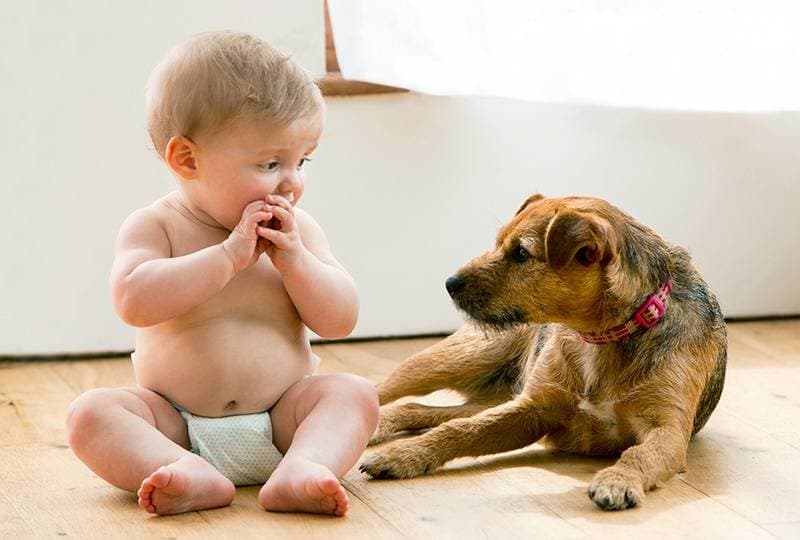
Plan where the dog can rest undisturbed, how it will be separated during busy periods and who will supervise contact. Dogs Trust's child-safety guidance emphasizes active adult supervision and respectful interactions. When close supervision is not possible, use secure physical separation.
Look beyond breed and appearance
Research likely exercise, grooming and training needs, but assess the individual dog too. A fluffy coat does not guarantee a gentle temperament, and a particular breed cannot promise safety around children. Previous experience, health and the environment all matter.
Size is only one factor. A dog lighter than a child may still pull hard, bite or become frightened, while a larger dog may accidentally knock someone over. Adults should manage walks whenever a child cannot safely handle the circumstances, and check local rules rather than relying on a universal age claim.
Meet suitable dogs through a responsible breeder or rescue that can discuss the household honestly. Ask about behavior around children, handling, food and other animals. Avoid selecting solely because one puppy approaches first or looks especially quiet during a brief visit.
Compare a puppy with an adult
Puppies need frequent toilet opportunities, interrupted sleep, careful socialization and help learning not to mouth hands or clothing. These normal developmental needs can be demanding alongside childcare. They are not a sign that a puppy is bad, but they require time and management.
An adult dog may have a more established size and routine, although it still needs a settling-in period and ongoing learning. Reliable history and thoughtful matching are useful. Neither age guarantees an effortless transition.
Teach safe interaction
Children should not disturb sleeping dogs, approach food bowls, climb on them or follow them into a retreat. Encourage calm contact at the dog's level and allow it to leave. A dog that tolerates an action once should not be expected to tolerate it indefinitely.
Watch for turning away, stiffness, attempts to escape or growling. Stop the interaction and create space instead of punishing a warning. Seek veterinary or qualified behavior advice for concerning changes, especially if pain or fear may be involved.
Make the commitment practical
Budget for food, equipment, grooming, preventive care and unexpected illness. Arrange holiday care and help for days when normal routines are disrupted. Exercise and companionship remain necessary during poor weather, school holidays and busy work periods.
Agree on simple household rules before adoption and use reward-based teaching. A family dog can be a valued companion, but it should never be expected to supervise a child or tolerate rough treatment. Choose the animal only when the adults are ready to meet its needs throughout life.
Ask who will take over care if the child loses interest. The dog still needs the same routine, and adults should make that commitment independently of a promise made by a young child.