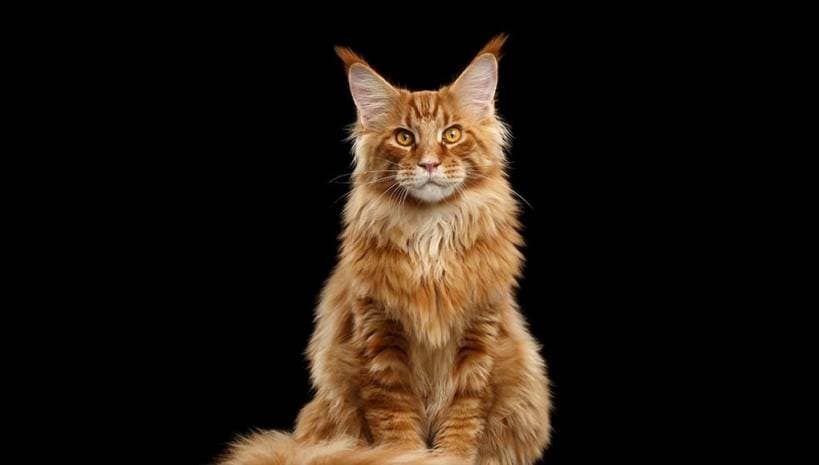
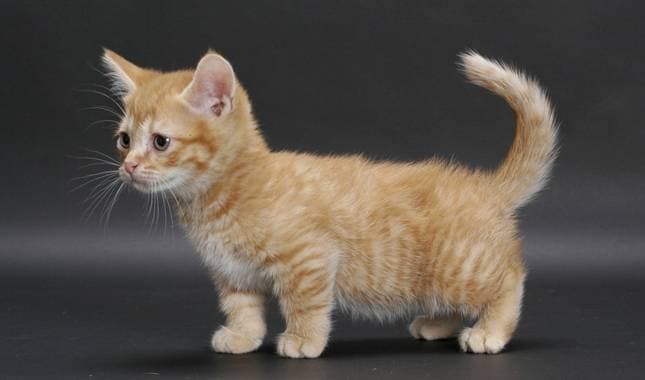
The Munchkin is a domestic cat characterized by unusually short legs. Coat length, color and personality vary. Before choosing one, consider the welfare implications of breeding for a body shape that differs substantially from ordinary feline proportions.
What causes the short legs?
Research has linked Munchkin dwarfism to a structural change involving the UGDH gene. The inheritance is not accurately described as a simple recessive trait carried by every long-legged relative. Breeding outcomes and genetic results need expert interpretation rather than advice copied from an informal breed description.
Short legs neither prove good health nor predict the same illness in every cat. Claims that all Munchkins have a particular spinal problem or die at a fixed young age are unsupported generalizations. The available evidence and concerns should be discussed with an independent veterinarian.
Look at comfortable function
Watch how the cat walks, plays, rests and uses its litter tray. Reluctance to move, altered posture, limping or difficulty grooming deserves assessment. A cat may conceal discomfort, and being playful for a few minutes does not rule out pain at other times.
Do not make a cat stand upright for entertainment or encourage repeated difficult jumps to prove that its short legs are harmless. Provide choices that allow normal exploration without unnecessary strain. If an activity appears uncomfortable, stop and ask for advice rather than treating it as a training issue.
Make the home accessible
Offer stable steps or low platforms to reach favorite resting spots. Place food, water and litter where the cat can access them easily, and use trays with an entrance suited to its mobility. Nonslip surfaces can help on smooth flooring. Keep windows, balconies and outdoor enclosures secure as you would for any cat.
Provide scratching options, hiding places and gentle interactive play at a comfortable height. Let the cat choose contact and give it time to withdraw from children or other animals. Small stature does not mean the cat should tolerate being carried around or handled as a toy.
Grooming and nutrition
Comb according to coat length, checking areas the cat may find difficult to reach. Tight mats should be removed professionally rather than cut with scissors close to the skin. Introduce nail care and toothbrushing calmly, and have persistent ear or skin problems checked.
Feed a complete diet appropriate to life stage and health, and keep the cat at a comfortable body condition. Table food does not cause fleas, but an unbalanced diet can cause nutritional problems. Use parasite prevention recommended by the veterinarian rather than confusing parasites with feeding mistakes.
Choose with welfare in mind
Ask for medical records, family health information and a clear explanation of screening. Registration is not a guarantee of lifelong health. Consider adoption or a cat without an exaggerated physical trait, and avoid choosing on the basis of the shortest possible legs. If you already own a Munchkin, prioritize accessible surroundings, preventive care and prompt attention to changes in movement.