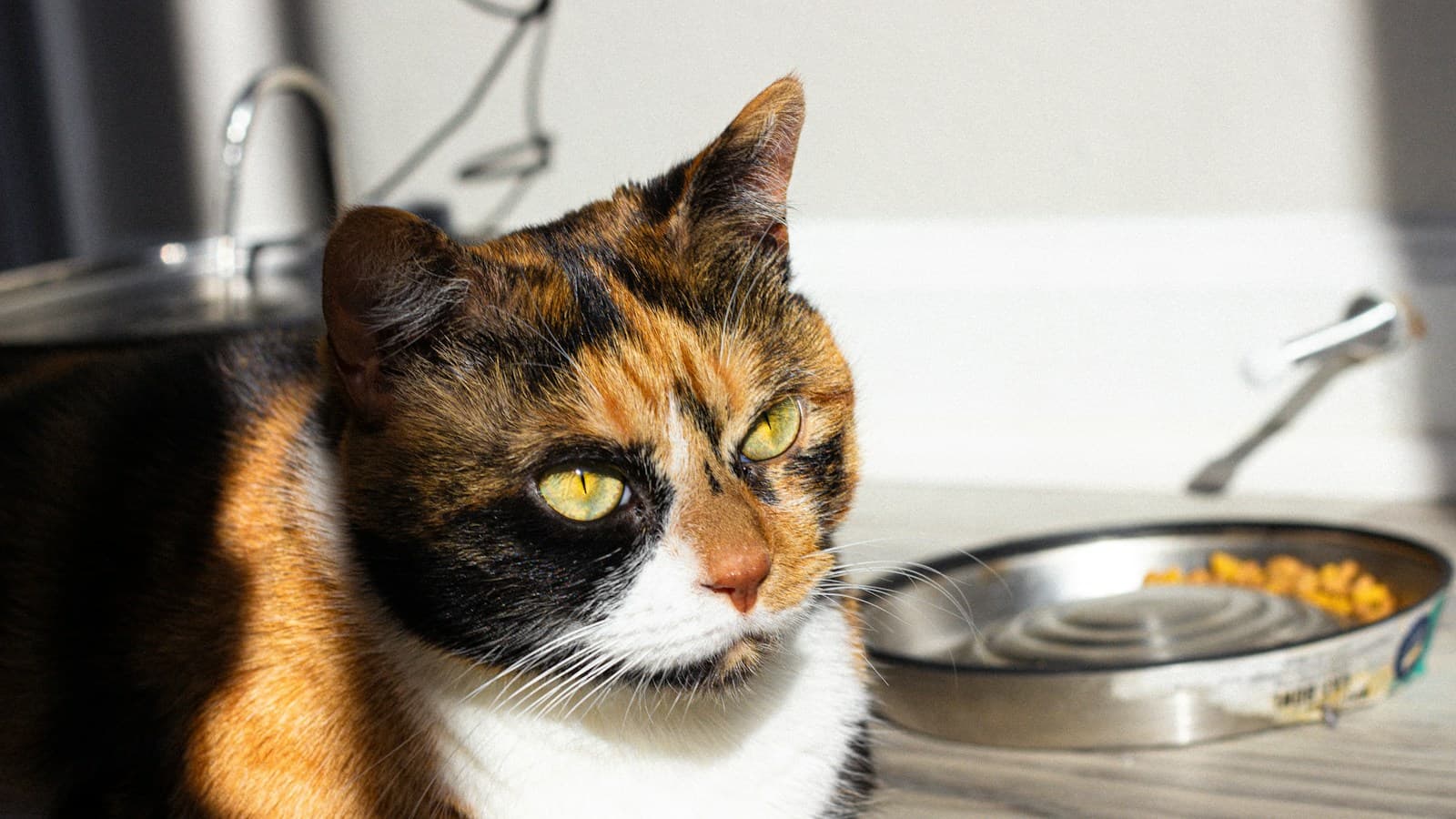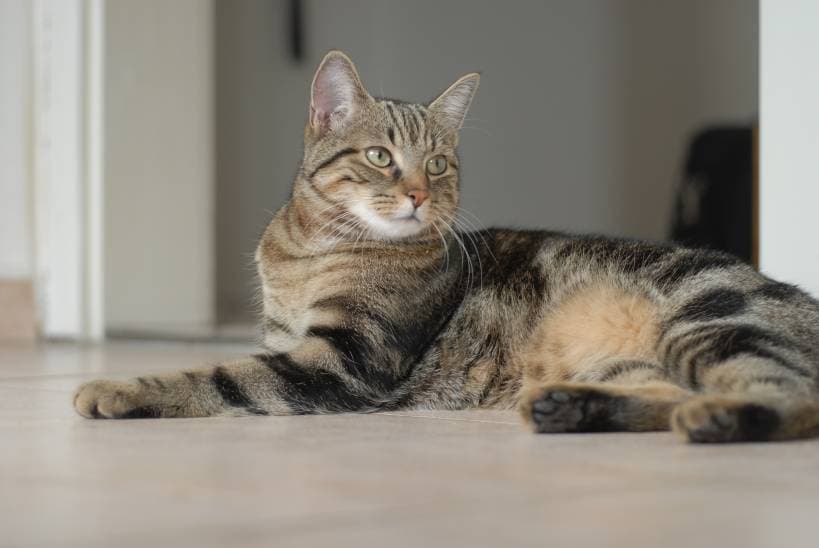
The European Shorthair, called the European by FIFe, is a recognized breed with a short coat and a sturdy, balanced appearance. It should not be confused with every short-haired cat living in Europe. Many much-loved pets are domestic shorthairs without documented pedigree ancestry, and appearance alone cannot establish breed identity.
The FIFe European breed profile is a useful reference for the registered breed. Color and pattern can vary, but they do not predict a cat's personality or guarantee exceptional health. Meet the individual and ask about its background, behavior and veterinary records rather than assuming that a breed description fits every animal.
Everyday companionship
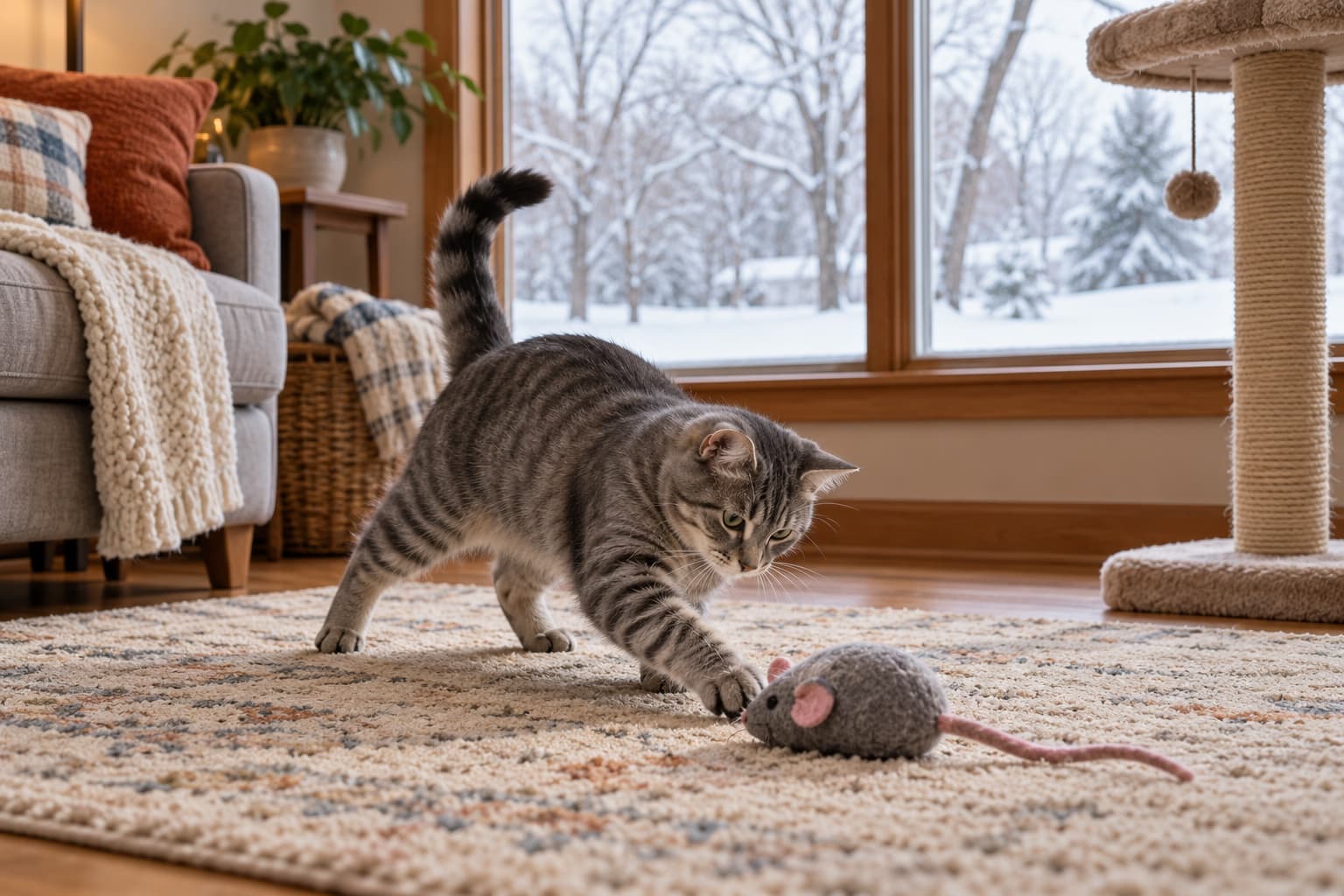
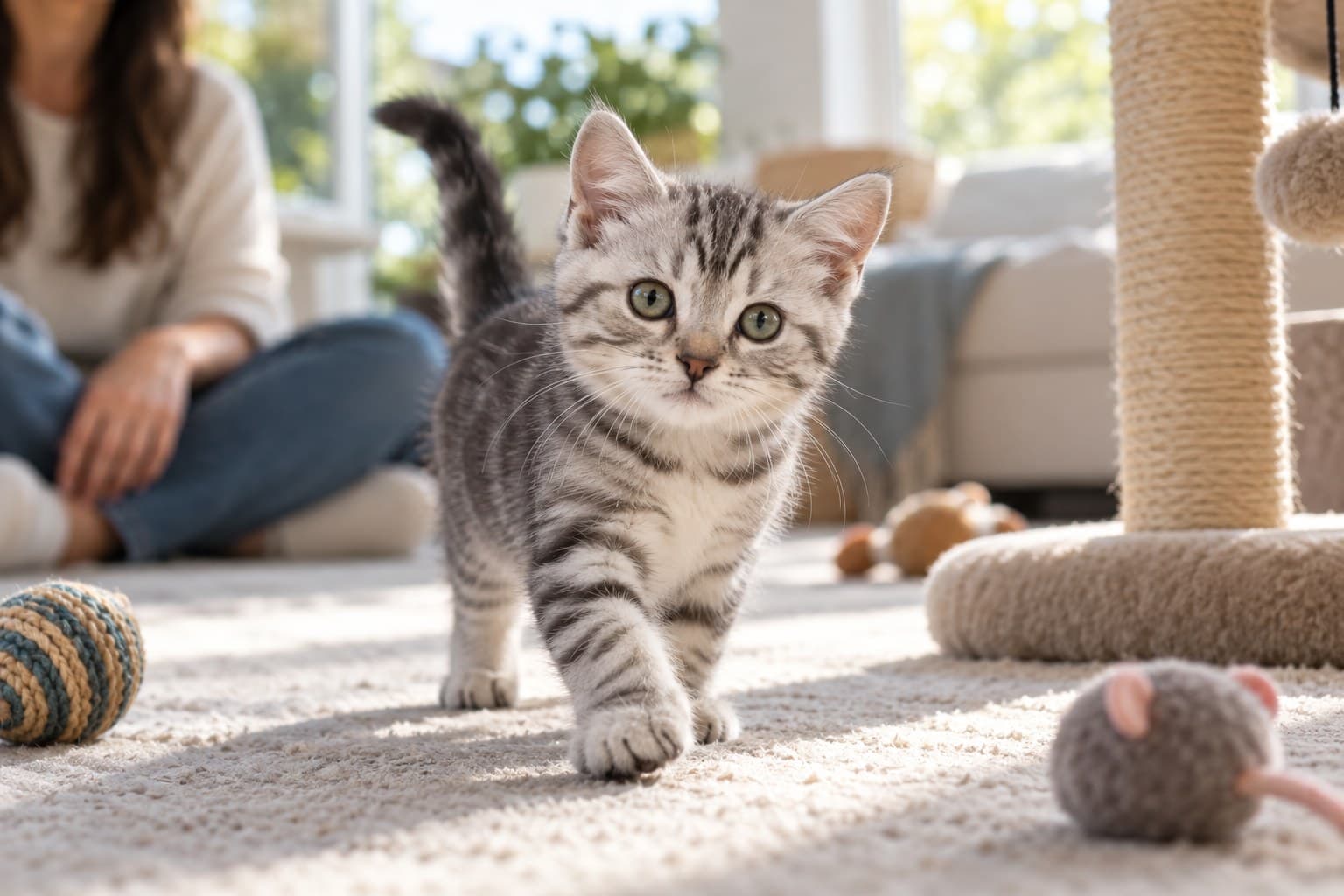
Some cats enjoy close contact, while others prefer to sit nearby. Let the cat approach and leave freely, and provide places to hide, climb and rest. Independence does not mean that an animal can be left without daily care or interaction. Kittens need appropriate supervision and a safe environment while they explore.
Introduce other pets gradually, with separate resources and escape routes. A reputation for adaptability is not a promise of immediate friendship. Protect small animals from possible chasing and do not use an uncontrolled meeting to test compatibility.
Simple but consistent care
A short coat benefits from gentle brushing and checks for skin changes or parasites. Most healthy cats do not need frequent baths, but that does not mean grooming can be ignored. Include nail checks, dental care and comfortable carrier practice in the routine.
Feed an appropriate complete diet and monitor body condition. Arrange preventive veterinary care and report changes in appetite, thirst, litter-box use or movement. A European Shorthair can be a rewarding companion, but long life and good health are never guaranteed by a breed name.