Good cat care is built from repeatable habits rather than promises that five rules will prevent every illness. Owners can make useful changes by considering the animal's environment, learning, food and health together. Watch the individual cat and ask for veterinary advice when something changes, even if the household routine seems sensible.
1. Providing too few choices
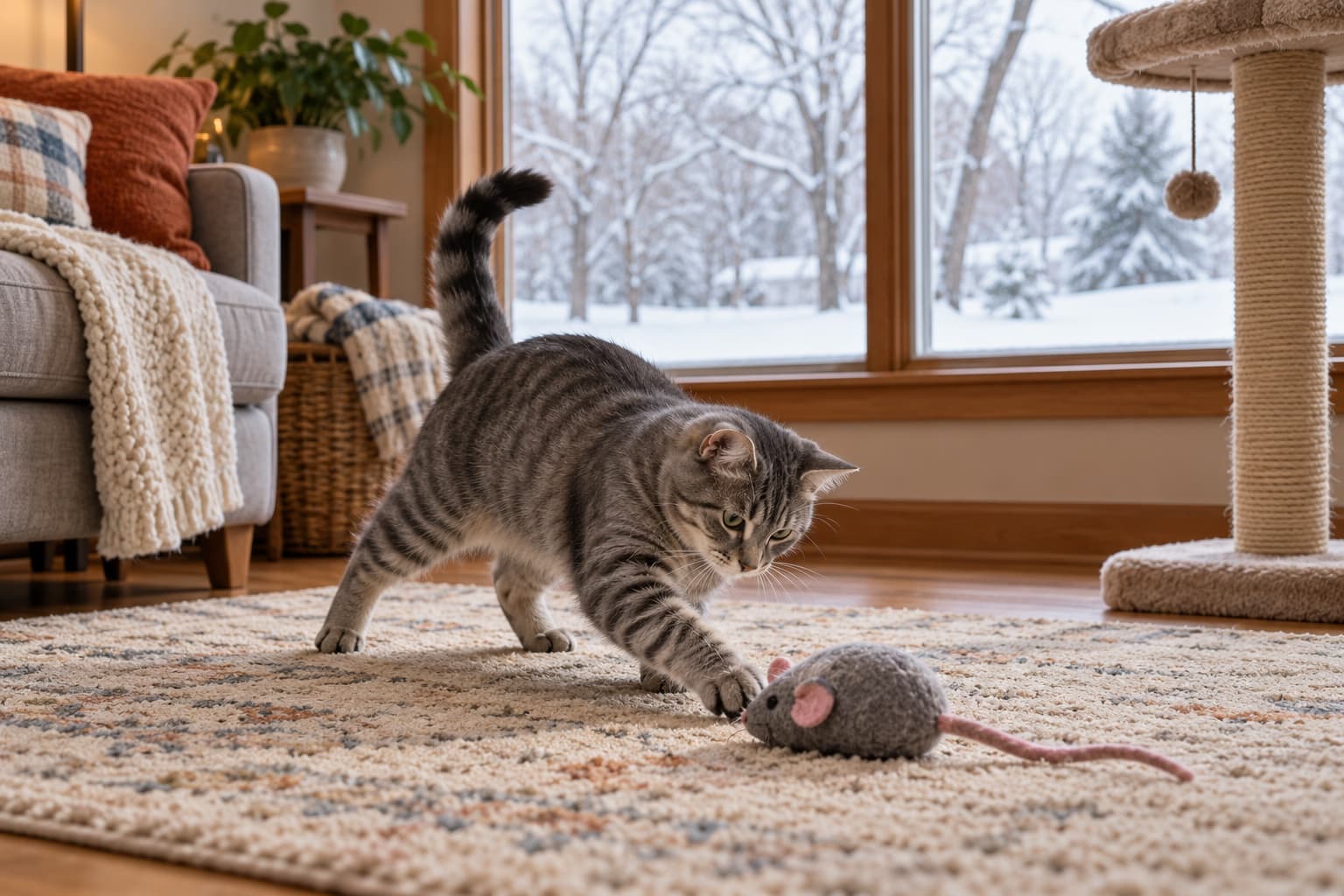
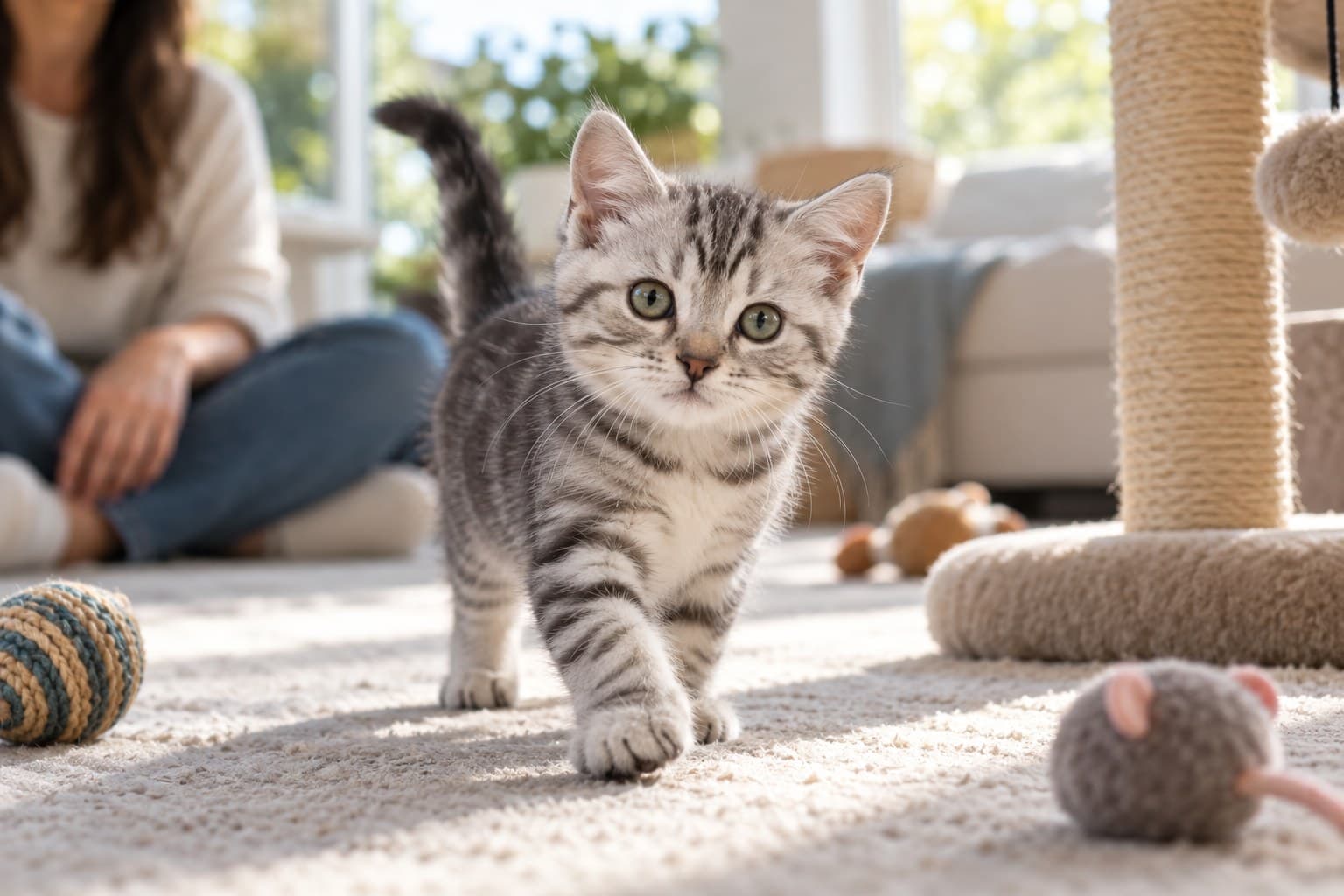
Indoor cats need places to climb, hide, scratch and rest, along with opportunities for play. Floor area alone does not describe how useful a home is to a cat. A stable perch, a quiet retreat and a route around another pet may matter more than access to every room. It is reasonable to close off unsafe spaces while providing adequate resources elsewhere.
Secure windows and balconies and check that furniture used for climbing is stable. If offering outdoor access, consider a protected enclosure or another arrangement suited to the cat and location. Do not assume that roaming is necessary for happiness or that an indoor home automatically meets every behavioral need.
2. Using fear as a teaching method
Shouting, hitting or spraying water can make a cat afraid without teaching an appropriate alternative. Identify what the behavior achieves, adjust access and reward the action you want. Offer a scratching surface near the sofa or an appealing resting spot away from a busy counter. Respect attempts to move away during handling.
Stress reduction supports welfare, but a happy-looking cat can still become ill. Sudden changes in sociability, litter-box use or activity deserve assessment rather than being labeled bad behavior. Medical problems and environmental pressures can occur together.
3. Feeding without monitoring
Choose a complete diet suited to life stage and health, measure portions and count treats. Ask the veterinary team to show you how to assess body condition. Begging is not a precise measure of calorie requirements, and an empty bowl is not always a reason to refill it. Avoid sudden severe food restriction when trying to manage weight.
A home-prepared diet needs professional formulation. Dog food or a mixture of meat and household leftovers does not reliably meet a cat's nutritional needs. Report reduced appetite or unexpected weight change promptly instead of repeatedly changing foods without understanding the cause.
4. Assuming household products are safe
Keep medicines, chemicals and unsuitable plants out of reach. Cornell's cat-hazard guidance warns that human medicines and some dog flea products can be toxic to cats. Use only treatments prescribed or confirmed as appropriate for the individual animal, and follow the label accurately.
Check plants by their actual identity rather than a vague common name. Suspected poisoning needs immediate veterinary advice; do not wait for symptoms or induce vomiting without instruction. Save the packaging or a photograph so the care team can identify the exposure.
5. Cleaning the litter box too rarely
Scoop at least daily and maintain the box with suitable cleaning and litter replacement. Once or twice a week is not enough as the only attention to a used tray. Place boxes in quiet, accessible locations and provide alternatives in homes where animals may block one another.
Notice changes in urine, stool or effort. Repeated straining with little or no urine is an emergency. A clean box helps you observe the cat, but it does not replace regular veterinary care, dental attention and an individual prevention plan.