
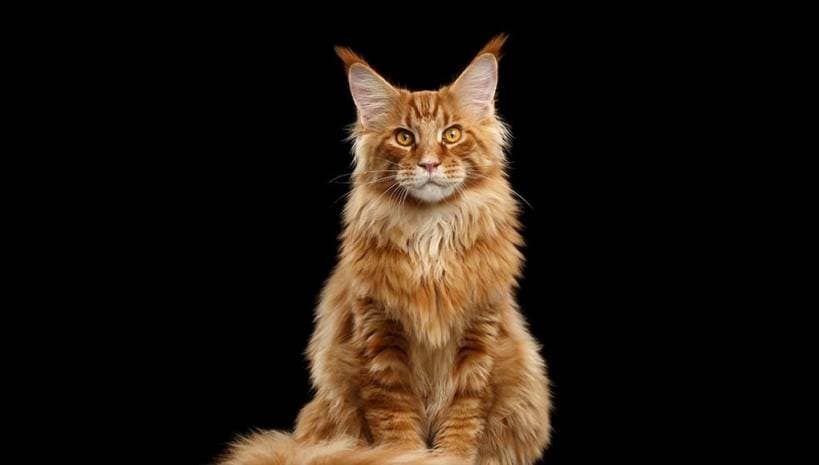
The Maine Coon is a large domestic cat associated with the northeastern United States. Stories about raccoons and lynxes do not explain its ancestry.
Care for the coat gently
Comb through the coat regularly, paying particular attention to the armpits, belly, hindquarters and areas behind the ears. Some cats need several short sessions a week or more frequent care during shedding. Work down to the skin gently rather than brushing only the outer layer.
Use a suitable comb and stop if a tangle pulls or the cat becomes uncomfortable. Tight mats can conceal delicate skin and should not be cut out with household scissors. A cat-friendly groomer or veterinary team can remove them safely and help adapt the home routine.
Maine Coons do not all enjoy water, and swimming is not a requirement. Bathe only when needed, with an appropriate cat product and calm handling. Check ears and nails regularly, introduce toothbrushing gradually and ask for a demonstration if you are unsure about technique. Ear odor, redness or discharge needs assessment rather than repeated wiping.
Feed a complete diet
Chicken, fish, beef and eggs alone do not make a balanced cat diet. Choose a complete food appropriate to the cat's life stage and provide fresh water. Adjust portions using body condition and veterinary advice; the breed's large frame does not mean unlimited feeding is healthy.
Keep treats modest and make food changes gradually. A kitten needs nutrition for growth, while an adult's needs depend on activity, health and whether it has been neutered. Do not aim for an impressive weight quoted online. A lean, comfortable cat is a better goal than the heaviest possible Maine Coon.
Make the home fit the cat
Choose stable climbing furniture and resting shelves rated for the cat's weight. Provide a litter tray large enough for easy turning and digging, with convenient access. In a multi-cat home, distribute food, water, litter and resting places so one cat cannot block another's access.
Secure windows and balconies for every cat, regardless of breed or size. Screens must withstand pressure, and tilt windows can trap animals. Supervised access to a secure outdoor enclosure can provide interest without exposing the cat to traffic and uncontrolled roaming.
Offer daily interactive play, scratching surfaces and opportunities to search for food. Many Maine Coons enjoy participating in household activity, but individual cats differ. Let the cat choose contact and give it a quiet place to withdraw from visitors or children.
Plan for health checks
Ask a breeder about screening for inherited conditions relevant to the breed, including hypertrophic cardiomyopathy, spinal muscular atrophy and hip problems. A DNA result covers only the variant tested and cannot guarantee lifelong freedom from heart disease. Discuss what screening and follow-up are appropriate with your veterinarian.
Keep a record of weight, appetite and activity. A change in jumping, grooming or social behavior can indicate discomfort. Difficult breathing, collapse or sudden painful weakness requires urgent veterinary help. Routine appointments and early attention to changes support a comfortable life far more reliably than assumptions that a large, hardy-looking cat cannot become ill.

