There is no stable worldwide price list that identifies one cat breed as the most expensive in every market. Advertised prices vary by location, ancestry, age and seller, and an asking price is not evidence of a completed sale. Old claims of record prices should be checked against a dated, identifiable source rather than repeated as current facts.
A high price also does not guarantee health, suitable temperament or responsible breeding. The important questions concern the individual animal, the quality of its care and whether the buyer can provide an appropriate home throughout its life.
Verify the name and ancestry
Treat names such as Ashera in luxury advertisements as claims to investigate, not proof of a distinct registered breed. Ask which registry recognizes the animal, request identifiable records and verify them independently. Do not accept a dramatic description of hybrid ancestry or rarity as a substitute for documentation.
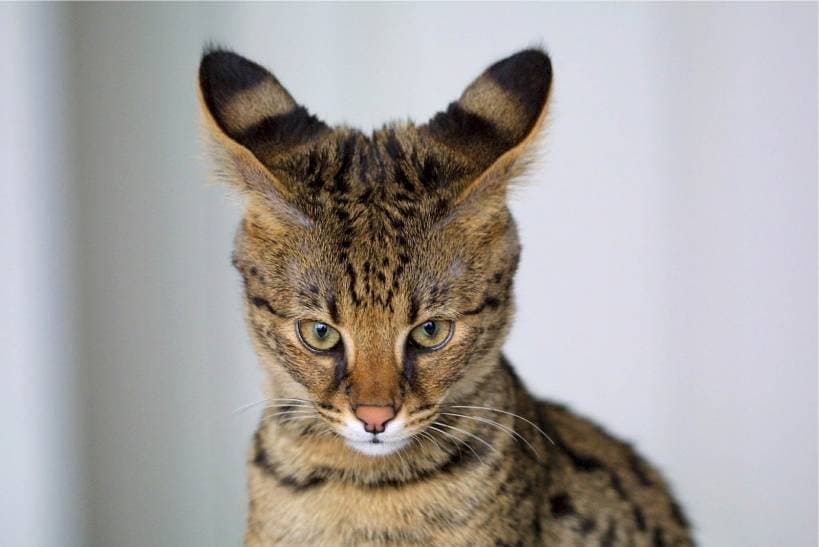
TICA's Savannah profile describes a breed with serval ancestry and an active, curious character. It should not be confused with every spotted cat advertised at a high price. Appearance cannot establish generation or pedigree, and an individual animal's requirements may be more demanding than a short sales description suggests.
Check practical suitability
Before considering a hybrid-derived cat, verify the rules that apply where you live and wherever the animal would travel. Requirements can depend on location and ancestry. Confirm housing permissions and access to appropriate veterinary care before making a payment, rather than relying only on the seller's assurance.
Ask about activity, handling, secure housing and experience with other animals. No expensive cat is automatically gentle with children or suitable for every household. Meet the animal where possible and discuss a realistic daily routine. A cat's strength, curiosity and need for enrichment matter more than its status as a luxury purchase.
Look beyond the purchase fee
Request health records, relevant screening and a written explanation of support after placement. Clarify fees and conditions, and avoid pressure to pay immediately. Budget for food, equipment, routine veterinary care and unexpected treatment.
Compare breeders and rescue options according to transparency and the match they can offer. The right companion is an animal whose needs you can meet, not necessarily the one with the highest advertised price.