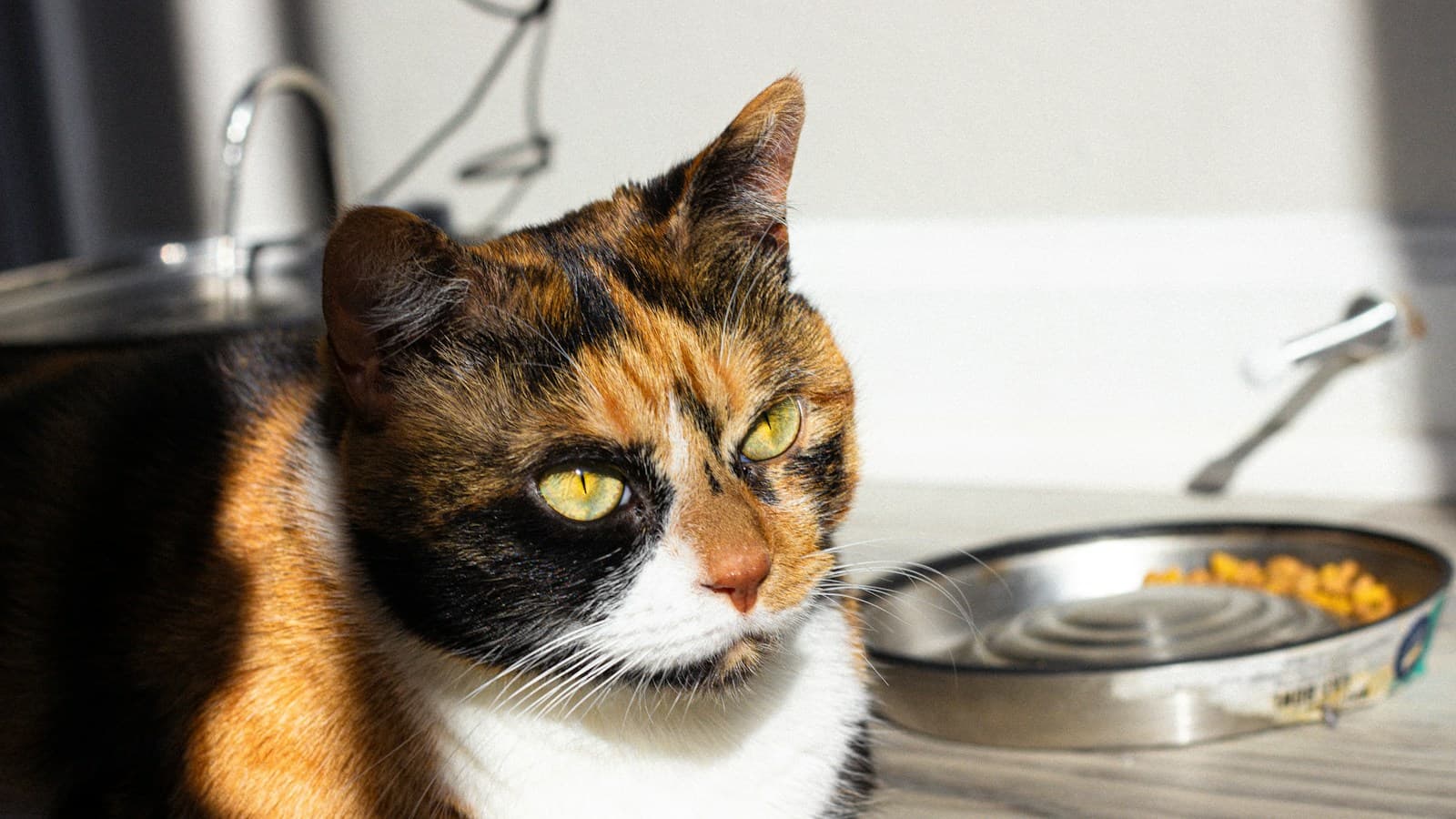
Persian cats are known for their long coats, rounded features and often quiet companionship. CFA's Persian profile describes the breed's distinctive appearance and care needs. Individual personalities vary: some enjoy a lap, while others prefer resting nearby. A calm reputation does not mean a cat should be treated as a living toy.
Let the cat choose contact
Offer attention when your Persian approaches and pause regularly during stroking. Turning away, a twitching tail or a tense body may mean the cat wants a break. Children should learn to pet gently and leave sleeping or hiding cats alone. Introduce other pets gradually, with separate resources and places to retreat.
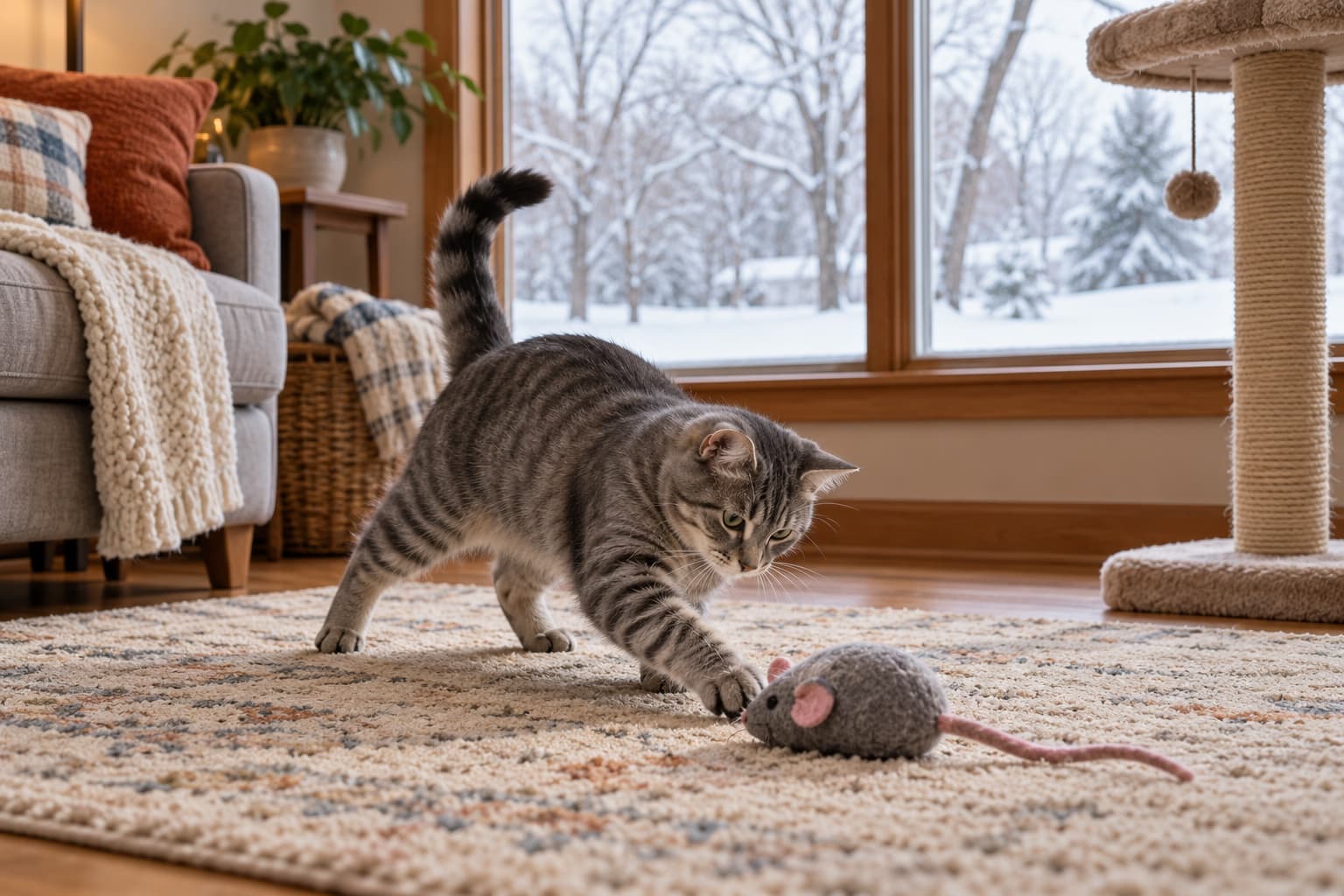
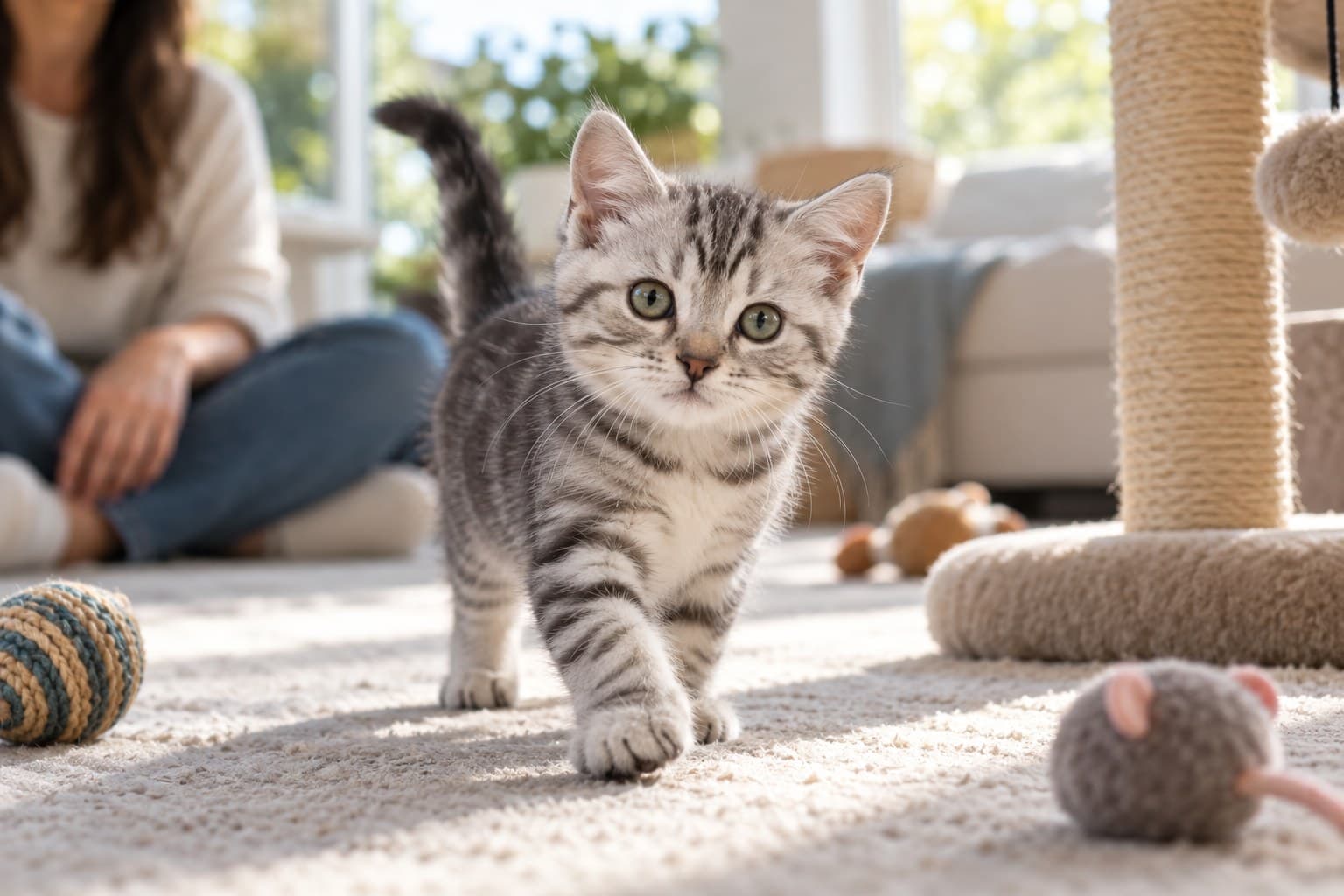
Kittens can be lively and inquisitive, and adults still benefit from play. Try short sessions with a wand toy, a simple puzzle feeder or a toy the cat can chase safely. Put strings and ribbons away afterward. Reduced activity or reluctance to jump should not automatically be dismissed as laziness.
Make grooming a daily habit
Work through the coat gently with appropriate tools, paying attention behind the ears, under the legs and around the hindquarters. Start with brief sessions and reward relaxed participation. A cat that suddenly objects to brushing may have sore skin, painful mats or another source of discomfort.
Do not pull hard on tangles or cut tight mats out with scissors. Cat skin can be drawn into a mat and injured easily. Ask a groomer or veterinary team for help before matting becomes extensive. Keep the litter area clean and check that long fur is not becoming soiled.
Watch eyes, breathing and general health
A very flat face can be associated with health concerns, so prioritize comfortable breathing and normal function over an exaggerated appearance. Squinting, rubbing an eye, redness or a sudden change in discharge needs veterinary assessment. Avoid using human eye drops or leftover medication.
Ask a breeder for relevant parental health-screening results, including information about polycystic kidney disease screening where appropriate. No pedigree or test result guarantees lifelong health. Arrange regular examinations and discuss dental care, vaccination and parasite prevention with your own vet.
Feed a complete diet suited to age and health, measure portions and monitor body condition beneath the coat. A thick coat can hide weight gain or weight loss. Comfortable bedding, accessible water and a predictable grooming routine help a Persian enjoy home life while allowing you to notice changes early.