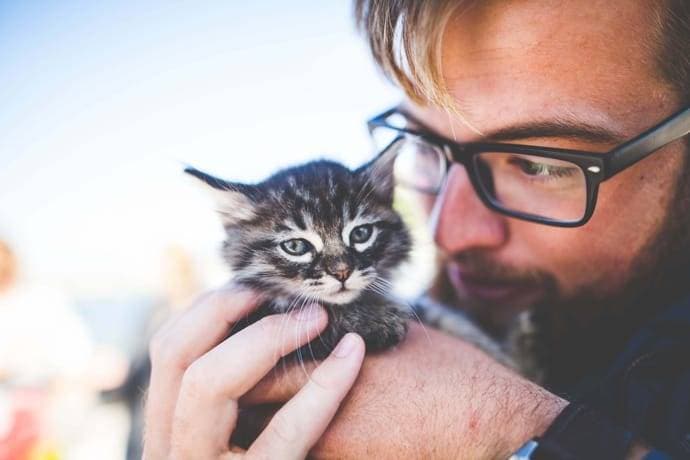
A kitten needs more frequent attention than a settled adult cat. Feeding, play, rest and supervision all change as it grows, so advice about leaving an adult cat overnight cannot simply be applied to a young kitten. Establish a routine with your veterinary team and review it as the kitten develops.
Arrange care before you travel
Do not leave a kitten alone for two or three days with extra food. Arrange a reliable person who can provide age-appropriate meals, fresh water, litter care, interaction and health checks. Very young, unwell or hand-reared kittens need particularly close care. Automatic feeders and cameras are useful aids, but they cannot replace a person who can respond to a problem.
Cats Protection recommends building time alone gradually. Start with short absences once the kitten is settled and comfortable in a safe space. Before leaving, check windows, balcony access, wires, small objects and appliances. Put away string toys and anything that could be swallowed or entangle the kitten.
Leave the carer written instructions, your contact details, veterinary information and permission arrangements for urgent treatment. Explain the kitten's normal food intake, litter habits and behavior so changes are easier to notice. Choose someone who can actually meet the schedule rather than assuming one brief visit is always enough.
Make carriers familiar
If travel is necessary, use a secure, ventilated cat carrier with a firm base and suitable bedding. Leave it accessible at home and reward voluntary exploration. A light cover may help some cats, provided ventilation and temperature remain safe. Do not enclose the carrier in thick material or use an ordinary sack or shopping bag.
Secure the carrier during a car journey and never let the kitten roam around the vehicle. Discuss persistent travel distress with a veterinarian rather than giving an unprescribed sedative. For many trips, a trusted carer at home may be less disruptive than taking the kitten along.
Understand a lively appetite
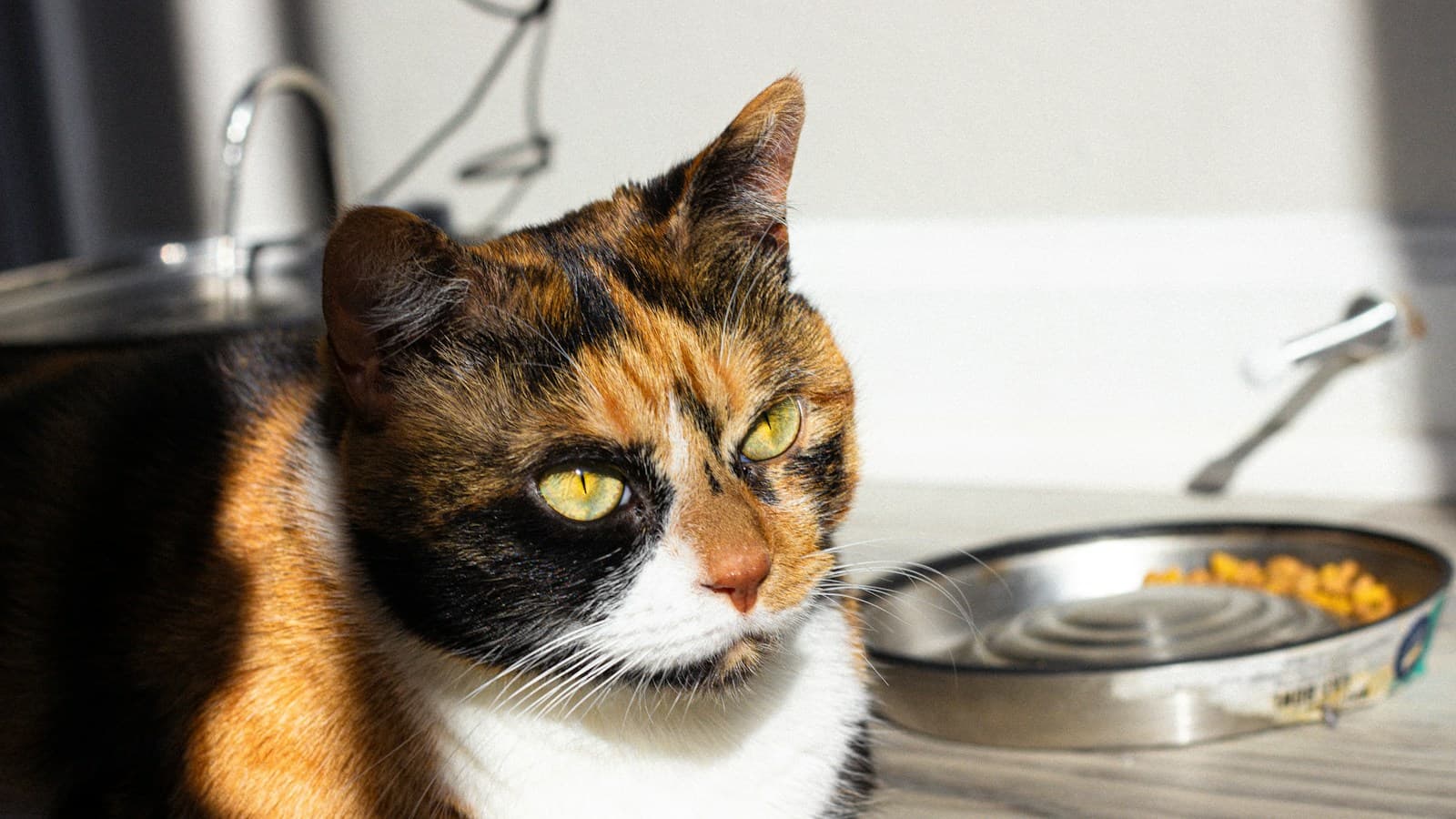
Growing kittens need food formulated for growth and meals appropriate to their age. Asking for food does not prove that the kitten is neglected or manipulative. Review portions, meal timing and growth before deciding what the behavior means. Use a complete kitten diet as the foundation rather than diluting meals with water to reduce calories.
Persistent hunger with poor growth, weight loss, vomiting or diarrhea deserves veterinary assessment. Parasites and other medical problems are among the possibilities, but appetite alone cannot identify a diagnosis. Bring the food label and an accurate account of daily portions and treats to the appointment.
Encourage healthy body condition
Weigh the kitten regularly using a consistent method and ask your veterinary team how to judge body condition during growth. Do not put a kitten on a crash diet or repeatedly cut portions without advice. Adult weight-loss plans may be inappropriate for a growing animal.
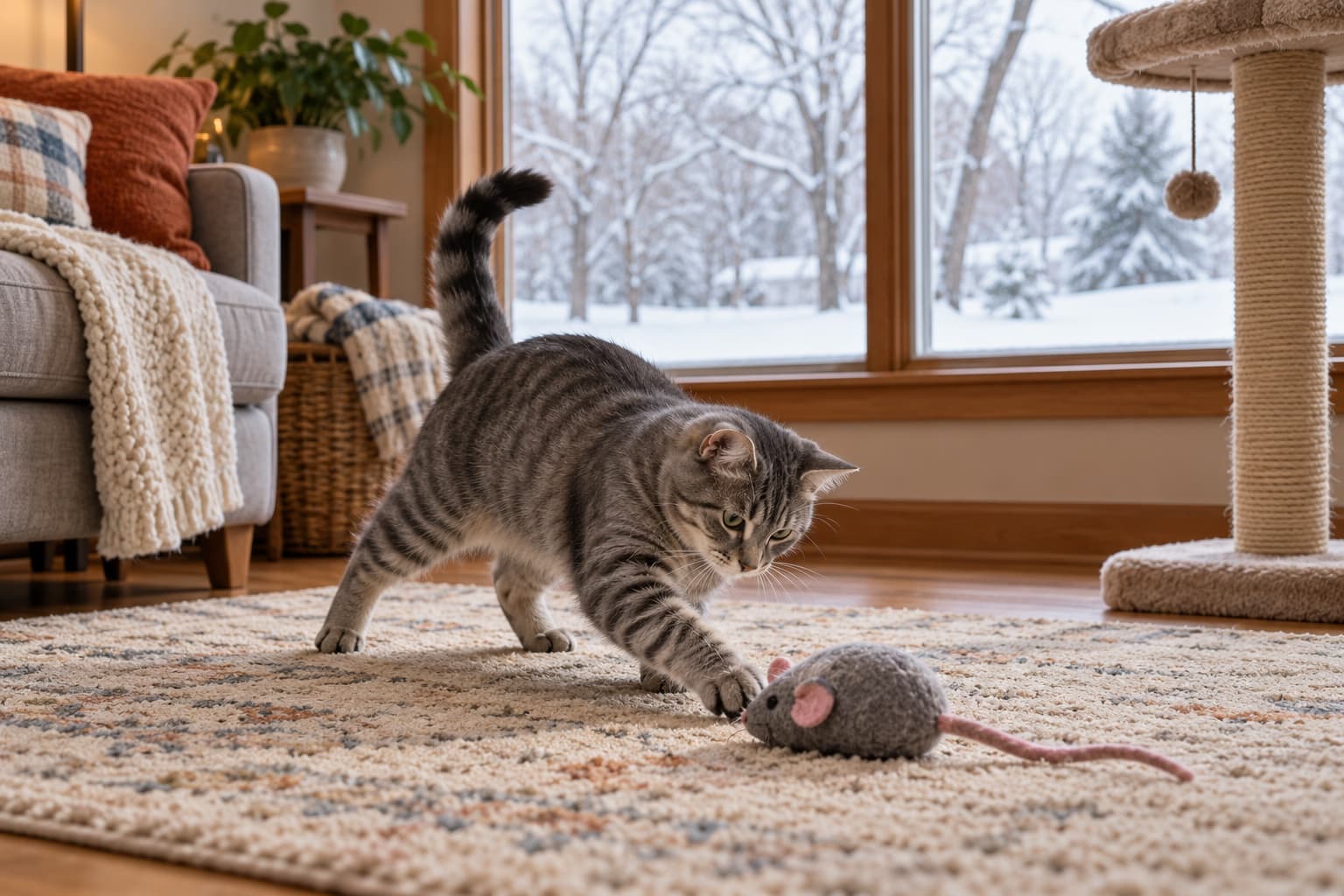
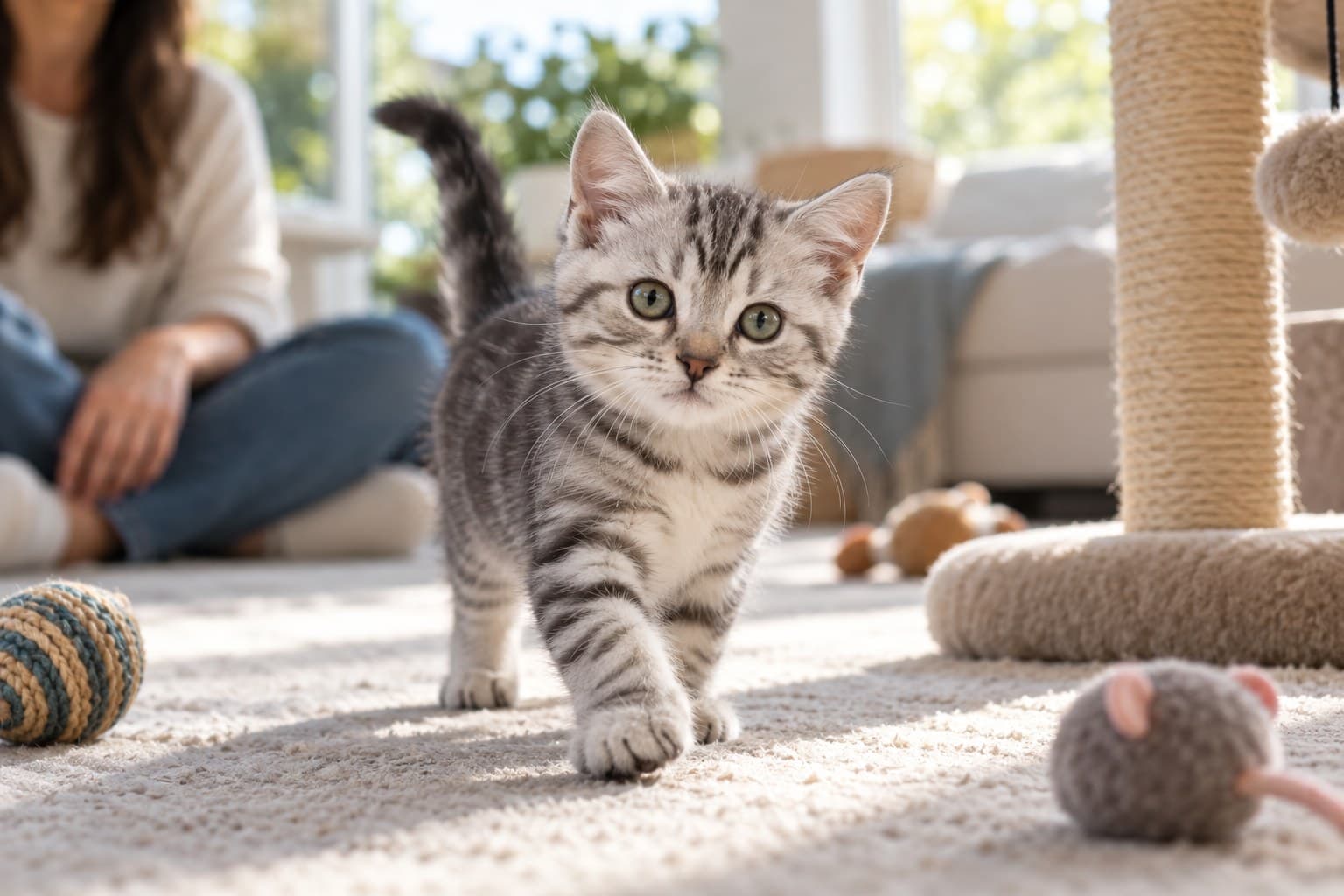
Offer short play sessions with safe toys, scratching surfaces and suitable climbing opportunities. Allow plenty of undisturbed sleep. If a cat needs weight management later, the plan should be gradual and monitored; withholding food is unsafe and does not solve the cause of excess weight.
A sudden refusal to eat, marked lethargy or repeated vomiting calls for prompt advice, especially in a young kitten. Good care combines observation with practical support, without blaming the owner or the animal for every change in appetite or activity.