The California Spangled was developed as a domestic cat with a spotted, wild-looking appearance. It should not be confused with a leopard, a Bengal or any spotted mixed-breed cat. A coat pattern can attract attention, but it cannot establish a pedigree on its own.
A distinctive breeding project
PetMD's historical account credits Paul Casey with developing the breed and describes its public introduction in the 1980s. The project used domestic cats to create an appearance reminiscent of wild spotted cats. It was also associated with an effort to draw attention to the protection of wild cats.
Older articles may contain prices, population estimates or registry-status statements that were specific to their publication date. Those figures should not be treated as current promises of availability. Verify a seller's claims and contact the named registry directly if registration matters to your decision.
Look beyond a label
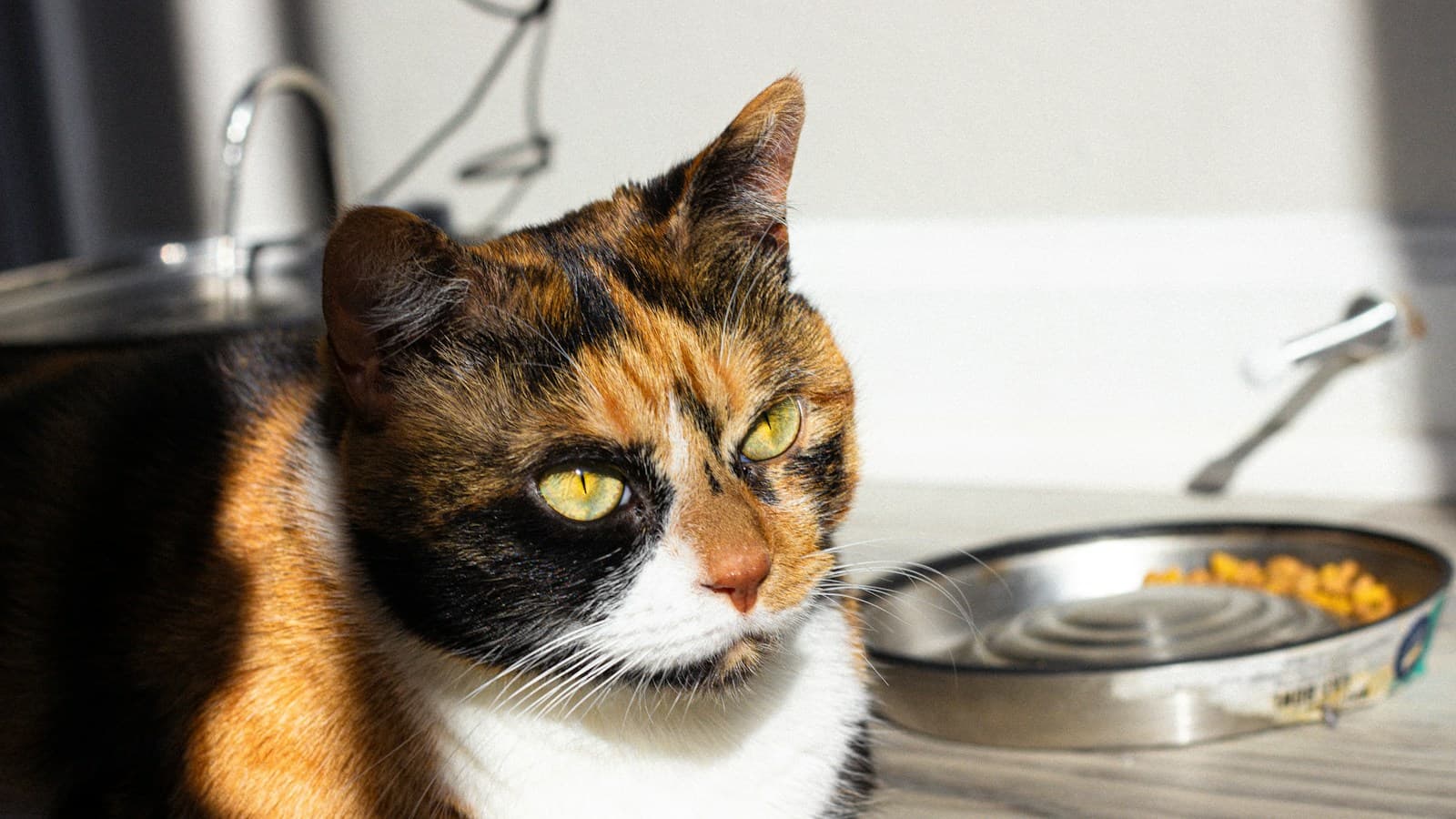
Spots vary between cats, and a photograph cannot distinguish every breed or cross reliably. Claims that all California Spangled kittens are born entirely white, or that one unusual color proves authenticity, need evidence. Ask for ancestry records linked to the individual rather than accepting a visual resemblance.
Avoid describing a cat with a nonstandard color as worthless or defective. Show standards and an animal's value as a companion are different matters. Health, temperament and the care it has received are more important to everyday life than a fashionable label.
Provide an engaging home
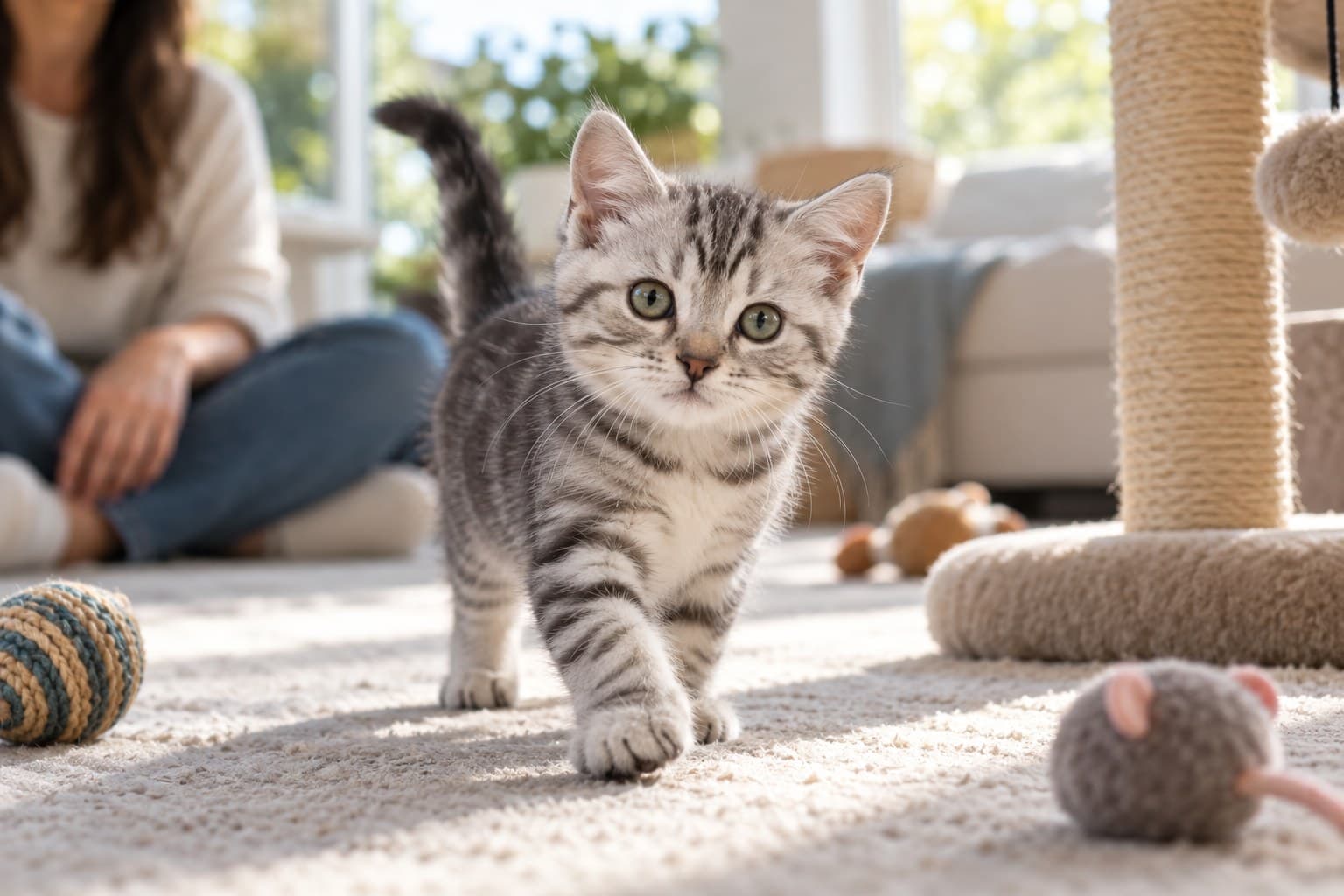
An active domestic cat benefits from sturdy climbing places, scratching surfaces, hiding spots and daily interactive play. Secure windows and balconies, and put away string toys after use. Choose equipment that lets the cat move and rest comfortably rather than decorating the home around an exotic appearance.
Do not assume that every cat carrying the same breed name will dislike dogs or accept other cats. Introduce animals gradually with separate resources and places to retreat. Let the individual choose whether to approach people, and supervise children during interaction.
Ask practical care questions
Request veterinary records, identification details and information about diet and previous living conditions. Feed a complete food suited to life stage and health, and monitor body condition. Gentle grooming gives you a chance to notice skin changes or discomfort even on a short coat.
Arrange veterinary guidance on dental care, vaccination and parasite prevention. A high price does not guarantee good health or responsible breeding. If the history is uncertain, be honest about that uncertainty and choose the cat for a suitable lifelong match rather than an unverified claim of rarity.