
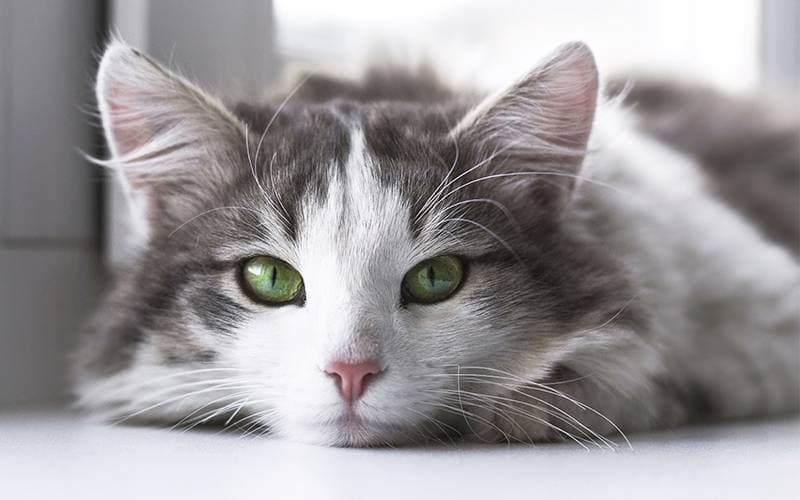
A cat can be part of your family for many years, but no single lifespan applies to every pet. Many reach their teens, and some live into their twenties. Genetics, illness, living conditions and access to care all matter. A lifespan estimate is a guide for planning a long commitment, not a promise about an individual cat.
Indoor and outdoor life
Free-roaming cats face hazards such as traffic, fights and exposure to infectious disease. Those risks vary greatly between places, so a fixed claim that every outdoor cat lives only five or seven years is misleading. An indoor home reduces several dangers, but it still needs safe windows, secure storage and opportunities to play.
Think of safety and enjoyment together. A comfortable window perch, climbing furniture and daily games give a house cat things to do. A secure enclosure can offer outdoor sights and smells without unrestricted roaming. Check doors and screens regularly, particularly after repairs or a move.
Habits that support a good life
Provide appropriate food, fresh water, a clean toilet area and a predictable routine. Rather than judging health by appearance alone, get to know your cat’s normal appetite, movement and interaction. A simple monthly weight record can help you notice a gradual change that is easy to miss from day to day.
Arrange preventive veterinary care at intervals suited to your cat’s age and health. Ask about dental care, vaccinations, parasite prevention and neutering. These decisions should be individual; neither a particular diet nor an operation guarantees a set number of extra years.
Make aging more comfortable
An older cat may benefit from a low-sided litter tray, warm bedding and steps to a favorite resting spot. Put essentials where they are easy to reach. Keep familiar routes clear and avoid making an older pet compete with a younger animal for food or a quiet bed.
Do not dismiss weight loss, altered thirst, reduced jumping or changes in grooming as simply old age. Cats Protection’s older-cat care guide explains why changes deserve attention. Contact your vet when normal habits change, and seek urgent help for difficulty breathing or repeated attempts to urinate with little or no urine.
Keep a short list of favorite activities and notice whether the cat still enjoys them. This gives appointments a useful focus: comfort using the tray, reaching a perch and sharing quiet time can matter more than an age estimate.
Plan for years, not a record
When adopting, budget for routine appointments and unexpected care as well as food and litter. Choose a backup caregiver and keep medical records accessible. The most useful goal is a comfortable, engaged life with problems recognized early, rather than trying to make your cat reach a record age.