Cats can be frightened by noise, unfamiliar people, travel, other animals or uncomfortable handling. The same event may trouble one cat and leave another relaxed. Genetics, early experiences, current surroundings and health all influence the response, so there is no universal list of things every cat fears.
Notice the early signs
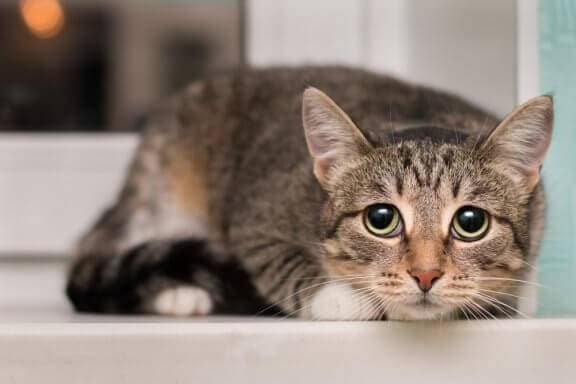
A worried cat may crouch, freeze, hide, turn its ears back or try to move away. Hissing and swatting can appear when escape seems impossible. These signals call for more space, not punishment. A cat that stays motionless in someone's arms is not necessarily comfortable.
VCA's guide to feline fears and phobias notes that sudden fear can have a medical contribution. Arrange a veterinary assessment for a new or marked behavior change, especially with appetite loss, pain, altered toileting or reduced activity.
Loud appliances and unexpected sounds
Vacuum cleaners and hair dryers combine noise, movement and unfamiliar airflow. Before using them, give the cat access to a quiet room with its usual resources. Do not chase the cat with an appliance or carry it closer to prove that the sound is harmless.
When gradual practice is appropriate, start at a distance and intensity the cat can tolerate. Pair a brief exposure with something pleasant, then stop while it remains comfortable. If the cat hides or refuses a favorite reward, the exercise may be too difficult.
Water and bathing
Many cats dislike forced bathing, but reactions vary. A wet coat can be uncomfortable, and slippery surfaces or restraint can make the experience more frightening. Most healthy cats do not need routine full baths; ask for advice if dirt, a skin problem or limited grooming creates a need.
Never immerse a distressed cat to make it get used to water. For toxic contamination on the coat, call a veterinarian promptly because licking may increase exposure and the appropriate cleaning method depends on the substance.
Visitors and children
Prepare a quiet retreat before guests arrive. Ask visitors to ignore the cat initially and let it choose whether to approach. Luring it close and then grabbing it can undermine trust. A cat does not have to greet everyone to be a successful household companion.
Children should learn to use toys without chasing, cornering or pulling the cat. Provide elevated resting places and escape routes that remain accessible. Predictable, gentle interactions are more useful than insisting the animal accept attention.
Make veterinary visits easier
Keep the carrier available at home with familiar bedding, rather than producing it only before a stressful journey. Reward voluntary exploration and practice short, calm steps toward travel. Tell the clinic about previous distress so it can plan handling or prescribe pre-visit medication when appropriate.
Do not assume holding the cat tightly in your arms will make an examination safer. Follow the veterinary team's guidance and allow pauses when possible. A plan that preserves choice and reduces fear helps both the cat and the people caring for it.