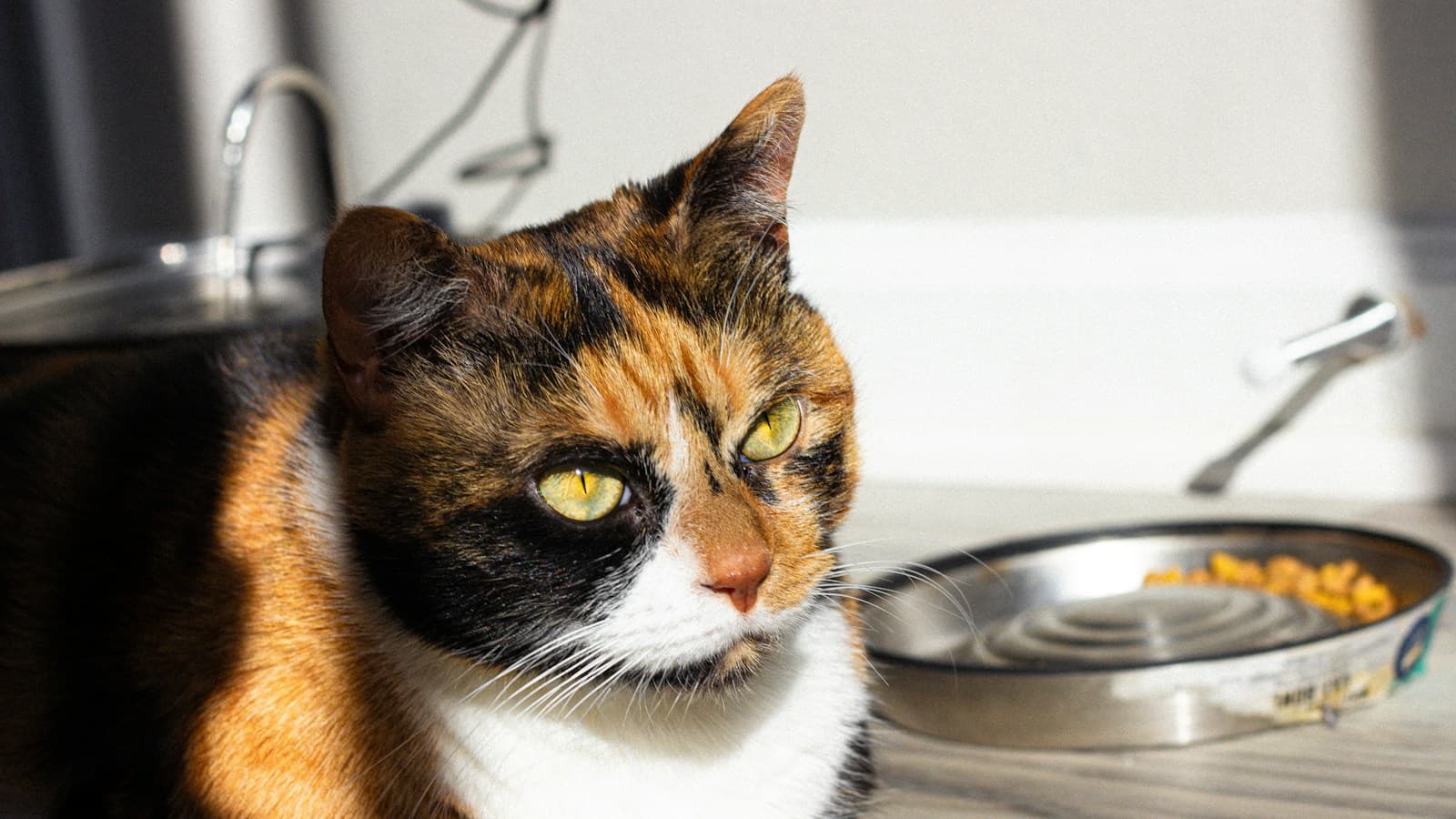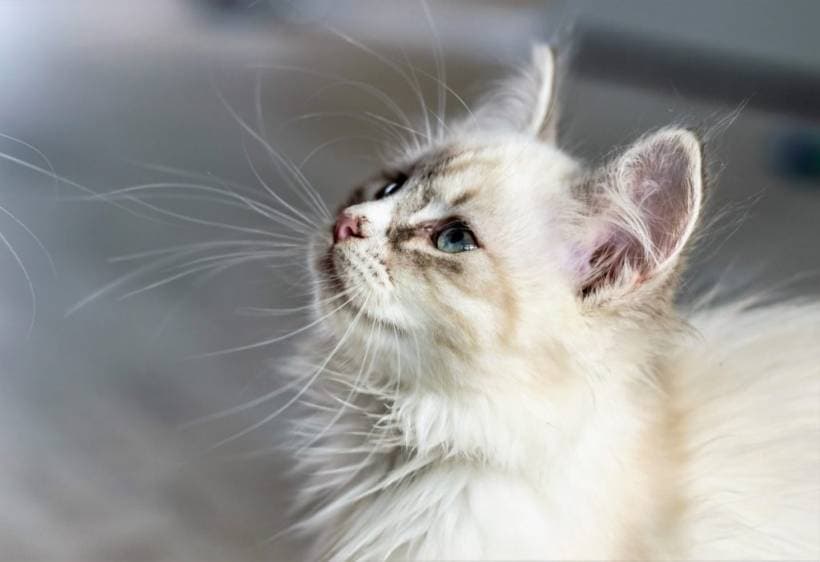
Spending time with a cat can be enjoyable and comforting. Familiar routines, play and quiet companionship may help some people feel less isolated. These experiences should not be turned into claims that cats cure heart disease, neurological conditions, cerebral palsy or autism.
Separate companionship from clinical treatment
Living with a pet is different from a structured animal-assisted intervention delivered by a qualified professional. A clinical program has defined goals, suitable participants and a plan for evaluating results. Simply acquiring a cat does not reproduce such a program.
The NIH's overview of pets and health describes promising findings alongside unanswered questions. Studies differ in their participants, methods and outcomes, so benefits cannot be assumed for every person or every animal. An association between pet ownership and wellbeing does not by itself prove that the pet caused the improvement.
Use animal-assisted support, when appropriate, alongside established care. Do not stop medication, postpone assessment or replace recommended treatment because someone promises that a cat's presence or purring will heal an illness.
Consider individual preferences
Some people enjoy cats; others feel anxious around them or find the responsibilities stressful. There is no need to force contact to obtain a supposed health benefit. A suitable activity should respect the person's choices and abilities.
Before adopting, consider who will feed the cat, clean litter trays, arrange veterinary care and provide support during illness or travel. The emotional appeal of a kitten does not remove the practical demands of daily care. A household should want and be able to care for the animal independently of any hoped-for therapeutic effect.
Take allergies and hygiene seriously
Cat allergy is not simply a reaction to visible hair. Allergenic proteins occur in saliva, skin material and other secretions. Hairless cats can also cause reactions, and ordinary repeated exposure is not a reliable or safe allergy treatment.
The AAAAI's pet-allergy advice recommends proper assessment and management. If someone has asthma or suspected allergy, discuss plans with a clinician before bringing a cat home. Breathing difficulty needs medical attention, not reassurance that the body will eventually adapt.
Wash hands after litter handling and maintain the cat's preventive veterinary care. People with particular health vulnerabilities should ask their clinician about appropriate precautions. Scratches, bites and infections are relevant considerations as well as allergies.
Protect the cat's welfare
A cat involved in visits or structured activities must be comfortable with the setting and able to retreat. Do not hold it in place, pass it repeatedly between strangers or ignore hiding and avoidance. A quiet cat is not necessarily a relaxed cat.
Provide rest, familiar resources and veterinary oversight as appropriate to the activity. If the cat is stressed or the person does not enjoy the interaction, stop and choose another approach. Positive companionship depends on meeting the needs of both participants, without expecting an animal to provide a medical cure.
Choose activities that the person and the cat both enjoy.