A healthy coat depends on more than a particular brush or supplement. Grooming habits, skin health, nutrition, comfort and the cat's ability to care for itself all matter. Some shedding is normal, but bald patches, sores or a sudden change in grooming should not be dismissed as a cosmetic problem.
Make grooming comfortable
VCA's coat-care guidance explains that grooming needs vary with coat type and the individual cat. Long coats often need frequent combing through to the skin, while a short coat may need less work. Check areas prone to tangling, such as behind the ears, under the legs and around the hindquarters.
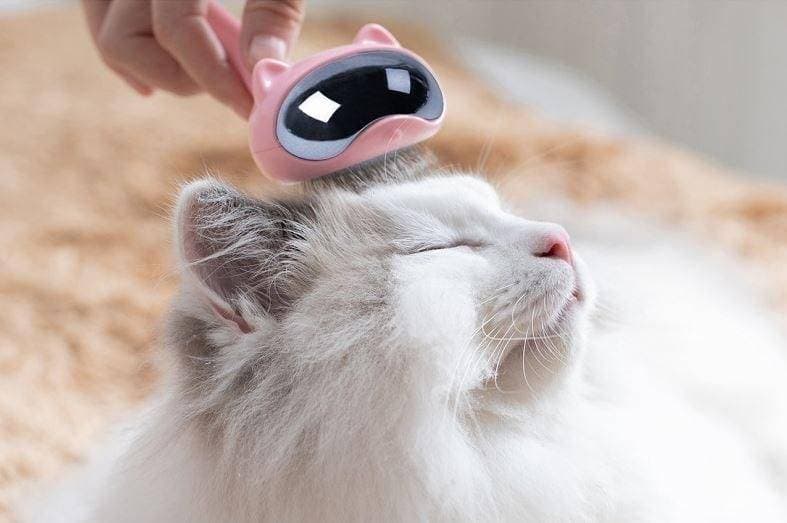
Begin with a few gentle strokes when the cat is relaxed. Reward cooperation and stop before it becomes distressed. Use a tool appropriate to the coat, avoiding repeated pulling over sensitive skin. A cat that suddenly resists grooming may be painful and should be assessed rather than restrained more firmly.
Do not cut tight mats out with scissors close to the skin. Cat skin can be drawn into a mat and injured easily. Seek help from a veterinary team or an experienced cat groomer, especially if the coat is extensively tangled. Preventing small knots is easier and kinder than removing a heavy pelt.
Bathing is not a fixed schedule
Many cats keep themselves clean without routine baths. Others may need bathing for a particular coat type, contamination or a prescribed skin treatment. Use products suitable for cats and follow professional advice. Frequent washing with unsuitable products can irritate the skin rather than improve it.
For minor dirt, a gentle wipe may be enough if the substance is harmless. If the coat is contaminated with a chemical, contact a veterinarian promptly for instructions and prevent licking. Do not apply solvents, essential oils or household cleaners to the fur.
Nutrition before supplements
Feed a complete diet appropriate to age and health, in measured portions that maintain a suitable body condition. Coat changes do not automatically mean vitamin deficiency. Extra vitamins, iodine, herbal powders or oils should not be added simply because the coat looks dull.
Unnecessary supplementation can unbalance an otherwise complete diet. Claims that nettle improves milk production or safely manages pregnancy are not a sound basis for home treatment. Pregnant or nursing cats need an appropriate nutritional plan and veterinary guidance, particularly if appetite or body condition changes.
Look for an underlying problem
Fleas and other parasites, allergies, infection, pain and several medical conditions can affect skin or grooming. Excessive licking may remove hair even when little loose fur is seen. An overweight or arthritic cat may struggle to reach its back and hindquarters. The pattern of change can help the veterinarian decide what to investigate.
Keep notes on when the problem began, where it appears and whether itching, vomiting, appetite changes or altered behavior occur too. Bring details of foods, treats, medications and parasite products. Do not use dog flea treatments on a cat; some contain ingredients that are highly toxic to cats.
Hairballs and daily observation
Brushing can reduce loose hair, but repeated vomiting or retching is not something to label harmless without assessment. Seek veterinary advice for recurrent episodes, reduced appetite or difficulty passing stool. Breathing difficulty requires urgent attention.
Use grooming as a calm opportunity to notice lumps, wounds or changes in weight. Keep sessions short enough that the cat remains comfortable and arrange support when handling is difficult. A practical routine combines gentle coat care with attention to the whole animal, rather than chasing a glossy appearance at any cost.