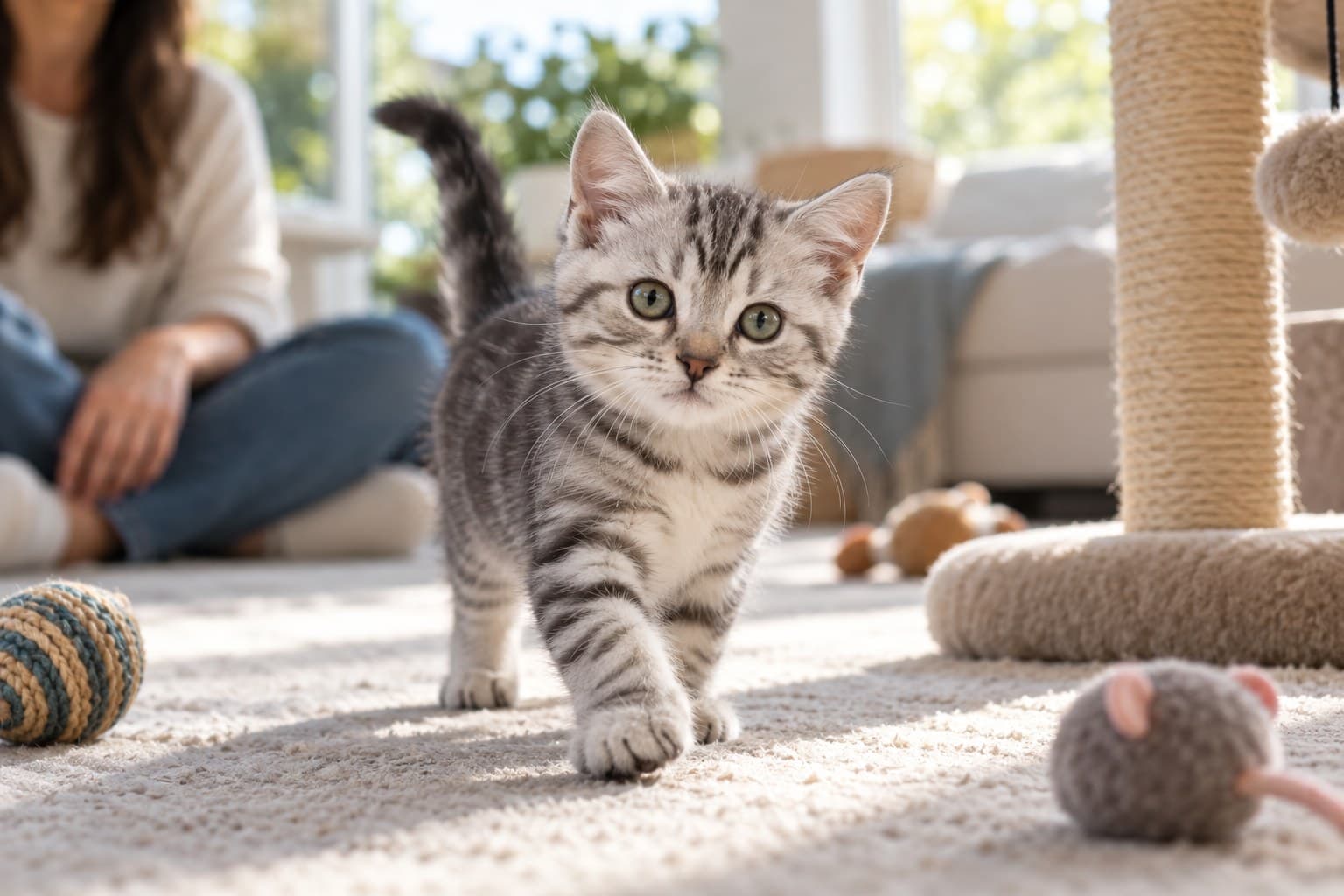
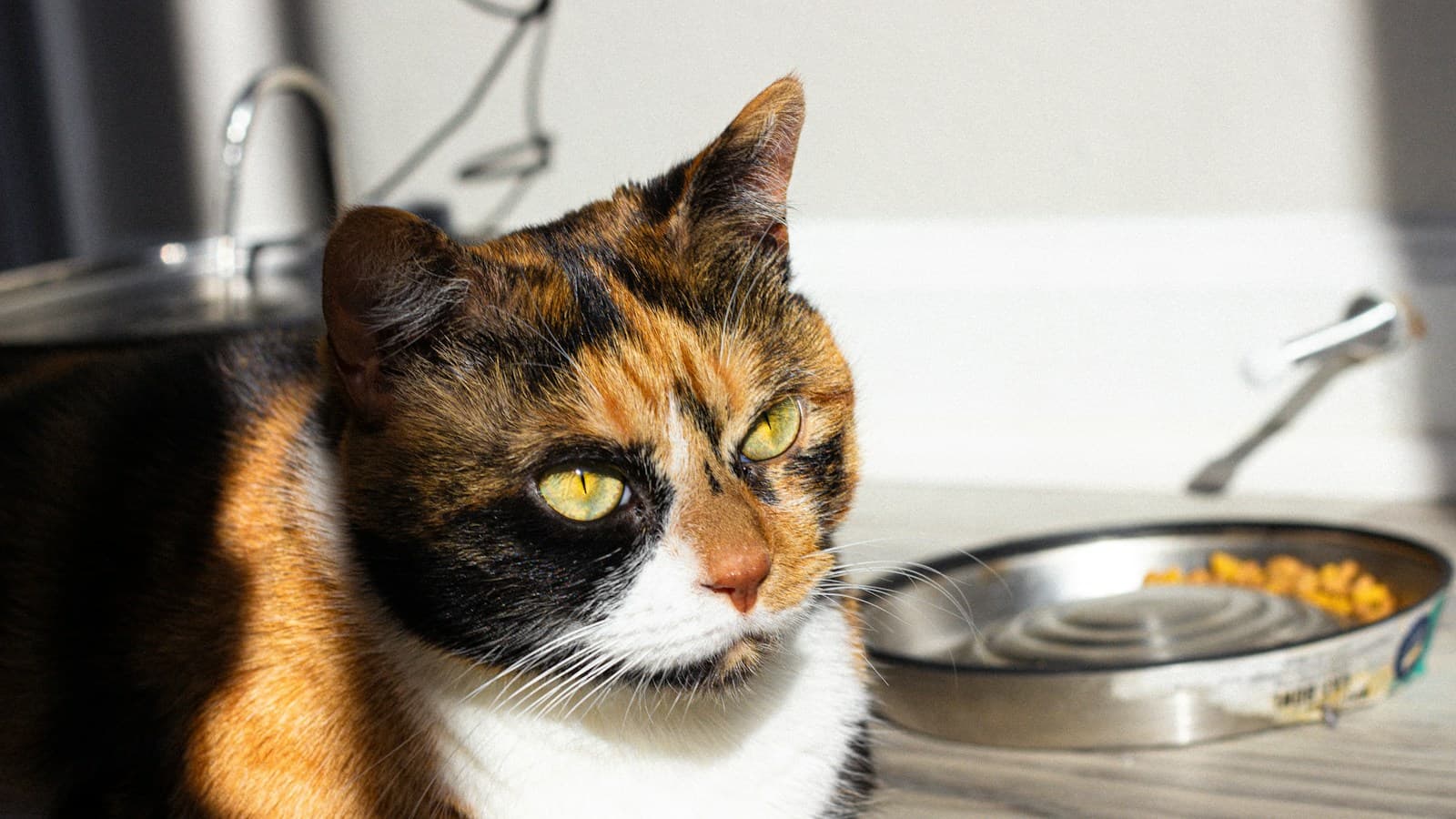
Cats can be frightened by noise, unfamiliar people, sudden movement or uncomfortable handling. Reactions vary between individuals, and a quiet cat is not necessarily a relaxed cat. Freezing, crouching, hiding and trying to move away may all signal discomfort.
Fear is useful information about how the cat is experiencing a situation. Punishment or forced exposure can make that situation more threatening. Start by reducing pressure and giving the cat a safe way to retreat.
Noises and hiding places
Vacuum cleaners, fireworks and hair dryers can combine unfamiliar sound with movement or vibration. Provide a quiet room or sheltered resting place before predictable noise begins. Let the cat choose to remain there rather than pulling it out to demonstrate that nothing is wrong.
VCA's guide to feline fears and phobias describes how experience, health and other factors affect fear. If gradual practice is appropriate, start at a level the cat can tolerate and pair it with something pleasant. Stop or reduce the intensity if the cat becomes distressed.
Keep doors and windows secure during frightening events. A cat that normally stays near the house may bolt when startled. Ensure identification details remain current and that household members know where the cat can rest undisturbed.
Water, odors and cleaning
Most cats do not need routine full baths. Forced bathing, slippery surfaces and restraint can be stressful, but not every cat fears water. Ask for advice if a skin condition or contamination makes cleaning necessary.
Use products intended for cats and avoid strong fragrances or essential oils as a way to manage behavior. Keep cleaning chemicals and medicines secure. A substance being pleasant-smelling to people does not establish that it is safe for a cat.
If something potentially toxic gets onto the coat, contact a veterinarian promptly because grooming can lead to ingestion. Follow instructions for that substance rather than applying a general bathing remedy.
Visitors and rebuilding trust
Give the cat time to observe guests from a distance. Ask people to avoid staring, reaching or following it into a hiding place. A cat can live comfortably in a household without greeting every visitor.
If a family member has frightened the cat, rebuild confidence through predictable, gentle interactions. Quietly sharing space or inviting brief play may help. Do not lure the cat close with food and then grab it; that can make the invitation unreliable.
Children should use suitable toys and allow the cat to leave. Secure elevated resting places and clear escape routes are particularly useful in busy homes. Several separate resources can reduce pressure where more than one pet is present.
Prepare for veterinary visits
Leave the carrier available with familiar bedding and reward voluntary exploration. Practice manageable steps toward travel before an appointment. Tell the clinic about previous distress so the team can plan handling and discuss medication when appropriate.
Holding a frightened cat tightly in your arms is not always calming or safe. Follow the veterinary team's instructions and allow the least stressful approach possible.
Arrange an assessment for sudden or persistent behavior changes, particularly with appetite, movement or toileting problems. A medical cause should be considered before treating the problem only as nervousness.