The British Shorthair is known for a sturdy outline, rounded features and a dense, plush coat. Blue is a familiar color, but the breed appears in many other colors and patterns. Choosing a cat should involve health, temperament and care needs as well as appearance.
Colors and patterns are different things
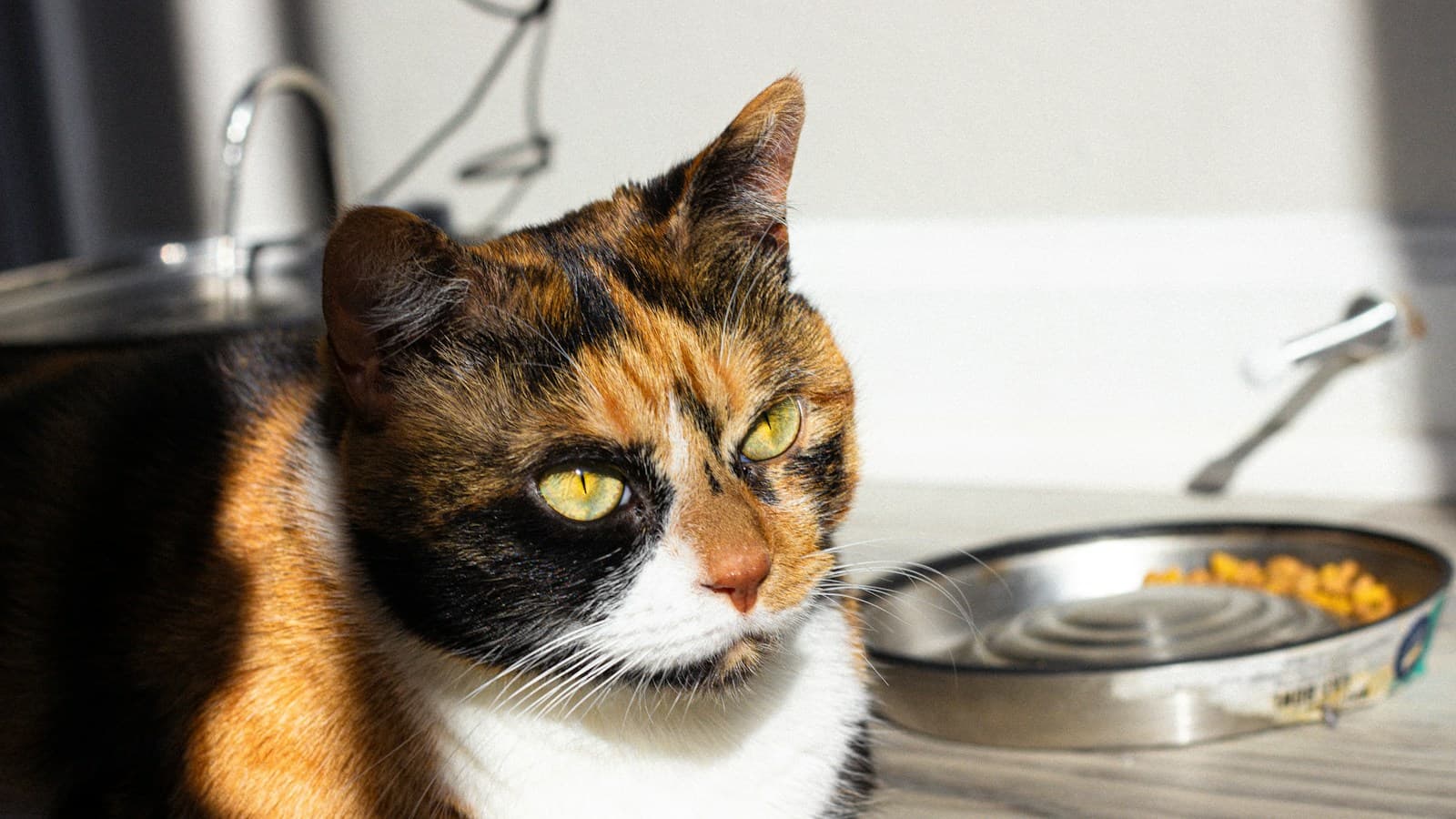
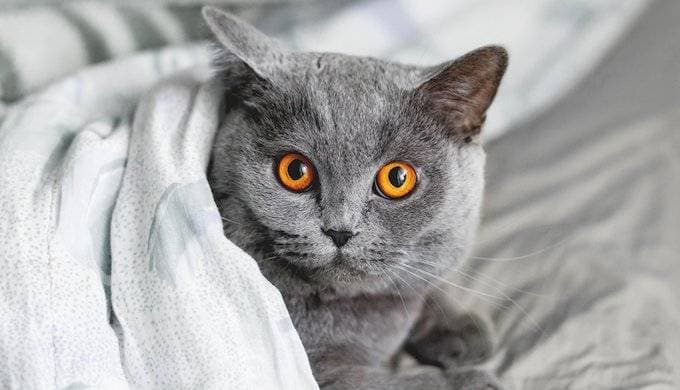
In cat terminology, blue describes a diluted black color that appears grey. Lilac is a pale diluted chocolate shade, not a bright purple coat. Chocolate, black, white, red and cream are among other color terms you may encounter, alongside combinations with white.
Tabby describes a pattern rather than a synonym for every silver or golden cat. Stripes, spots and classic swirling markings are examples of tabby patterns. Silver and golden appearances can occur with different patterns or degrees of tipping, so a sales label should be checked against the relevant registry's terminology.
The CFA British Shorthair profile provides an introduction to the breed and its range of appearances. Registry rules differ, and unusual color names in advertisements do not necessarily identify a separate breed or an officially recognized variety. Ask what documentation supports a kitten's description.
Color does not predict personality
A black coat does not make a cat medically calming, and silver markings do not guarantee gentleness. Likewise, a substantial build or serious expression is not evidence of aggression. Meet the individual and ask how it responds to handling, visitors and everyday household activity.
Many British Shorthairs enjoy being near their people without wanting constant carrying. Let the cat choose contact and provide comfortable resting places. Children should be supervised and taught to respect attempts to move away. A quiet breed reputation does not remove the need for play and interaction.
Caring for the plush coat
Brush gently with a suitable tool and check for changes in skin or shedding. Short hair is not maintenance-free, especially when a cat is older or has difficulty grooming. Introduce handling in brief, rewarded sessions rather than holding the cat down for a long grooming session.
Monitor body condition by touch as well as appearance. A naturally broad outline should not be used to excuse excess weight. Feed measured portions of a complete diet and provide daily play, climbing options and scratching surfaces suited to the cat's abilities.
Questions before buying or adopting
Ask for veterinary records and relevant health-screening information about the parents. Find out how the kitten has been raised and what support is available after placement. A fashionable color or a high price is not proof of responsible breeding.
An adult rescue cat can also be a good option, particularly when its home behavior is known. Choose a companion whose needs fit your routine and budget. Coat color can be a preference, but it should never outweigh comfort, health and a suitable match.