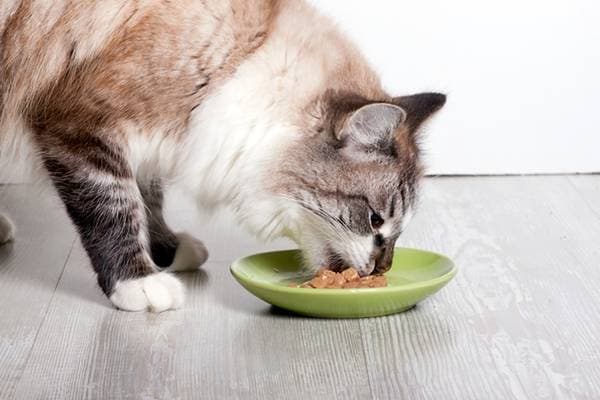
The best everyday cat diet is one that meets the animal’s nutritional needs, suits its life stage and can be fed consistently. Price, attractive packaging and the word “premium” do not settle that question. Start with the nutritional adequacy statement and your cat’s health, then choose a format you can measure, store and afford.
Check what the food is designed to do
Cats need a complete diet formulated for cats, with nutrients including taurine in appropriate amounts. Look for a statement of nutritional adequacy for growth, adult maintenance or the relevant life stage. A complementary food or treat is not a replacement for the main diet. Cornell’s feeding guide explains why balanced nutrition matters.
Keep a photo of the full label, not just the front of the bag. If a product name changes, compare the calorie information and feeding guidance before continuing the old serving size. For kittens, pregnant cats or cats with diagnosed disease, ask your vet to help choose an appropriate diet.
Wet food, dry food or both?
Either format can work when the food is nutritionally appropriate. Mixed feeding is also possible; combining wet and dry food does not automatically cause digestive or metabolic disease. Wet food supplies more moisture, while dry food can be convenient for measured puzzles. Preference, storage and medical needs help determine the choice.
Write down how the two portions fit together. Half a day’s wet-food allowance plus a full day’s dry-food allowance is more than a day’s food. Use the calorie information to avoid accidentally serving two complete rations, and ask the clinic to help with the calculation if the labels are confusing.
Set a portion, then watch the cat
Packaging gives a starting amount, not a precise requirement for every animal. Measure food and track weight and body condition with your vet. Treats and shared snacks count too. A kitchen scale makes small changes easier to follow than an overflowing scoop.
In a home with several cats, watch who actually eats. A full communal bowl can hide both overeating and a cat missing meals. Separate feeding spaces or supervised meals may give you a clearer picture. Record leftovers before disposing of them if you are investigating appetite changes.
Make drinking and storage straightforward
Offer clean water in accessible places and refresh it regularly. Try a different bowl or position if your cat avoids one; wash fountains as carefully as ordinary dishes. There is no universal bowl-water amount for every cat because food moisture, body size and health differ.
Follow the manufacturer’s instructions for opened food. Refrigerate leftovers when required, wash dishes and discard spoiled portions. Store dry food securely with its original label and batch details available. Avoid topping up an old, unwashed container indefinitely.
Homemade food needs a formulated recipe
Meat with rice or vegetables in a guessed ratio is not a complete feline diet. If you want to cook, work with a veterinarian qualified in nutrition and follow the recipe, supplements and quantities exactly. Freezing raw meat does not make every foodborne hazard disappear.
Do not improvise with bone meal, vitamin tablets or extra liver. More nutrients are not always better, and adding ingredients can alter the balance of a complete food. Keep the recipe instructions with the shopping list so every caregiver prepares the same meal.
Ignore misleading shortcuts
An ingredient described as a by-product is not automatically worthless, and a high price does not prove that a food is better. The WSAVA nutrition toolkit encourages questions about formulation expertise, quality control and nutritional information. Ask a manufacturer for clear answers rather than relying on a ranking built from packaging language.
Avoid garlic, onion, chocolate, alcohol and unsafe scraps. Milk and cream are unnecessary and may upset digestion. Keep treats modest, and choose small portions that are easy to account for. Dog food and canned fish intended for people should not become a cat’s staple diet.
For travel or boarding, pack the familiar food with written portions and a spare supply. Explain whether meals are served separately or through a puzzle, and name an acceptable replacement in case supplies run out. Record the product’s full name so a caregiver does not accidentally buy a similar-looking complementary food. A consistent handover also makes it easier to tell whether a later change in appetite began before, during or after the trip.
When eating habits change
Change foods gradually when possible, observing appetite and stools rather than switching repeatedly after one imperfect meal. A cat that stops eating needs prompt veterinary advice, particularly if unwell or overweight. Do not try to force acceptance of a new food by letting a cat go hungry for days.
Bring the food label, current portion and a brief weight or symptom record to an appointment. Those details give the vet something concrete to work with and help turn a vague feeding concern into a practical plan.