
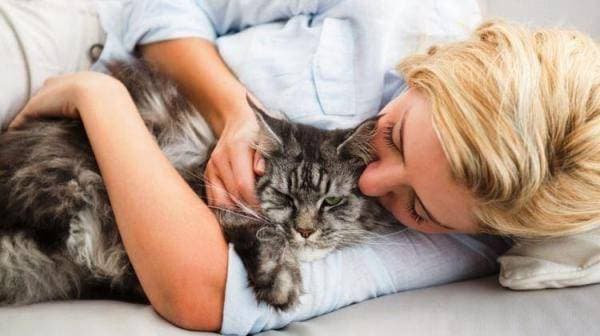
Spaying and neutering prevent unwanted litters and are important decisions in routine cat care. A kitten can become fertile earlier than an owner expects, so discuss the plan with a vet before puberty rather than waiting for spraying, escape attempts or a pregnancy.
What the terms mean
“Neutering” is commonly used for procedures that prevent reproduction in either sex. Castration usually means removing a male cat’s testicles. Spaying generally involves removal of the ovaries, sometimes together with the uterus. Terminology varies, so ask the clinic which operation it performs and what aftercare it requires.
Sterilization is a broader word and does not necessarily describe whether hormone-producing organs are removed. It is therefore misleading to compare “sterilization” and “castration” as if they always mean two competing choices for every cat. Your vet can explain the procedure in plain language.
When should it be done?
Timing depends on health, development and the clinic’s approach. Cats Protection recommends neutering around four months of age or younger, while individual veterinary plans may differ. Book a discussion early and keep an unneutered kitten safely separated from potential mates while arrangements are made.
A female cat does not need to have a litter first. If you suspect she is already pregnant or in heat, tell the clinic before the appointment. Avoid giving hormone products or other medicines on your own to suppress reproductive behavior.
Prepare for the appointment
Ask for written instructions about food, water, medicines and arrival time. Do not apply a generic fasting rule to a young kitten. Tell the team about recent illness, existing treatment and any earlier reaction to anesthesia.
Arrange secure transport in a carrier and a quiet recovery space at home. Put a clean bed and an accessible litter tray nearby. Decide who will supervise the cat and how to contact the clinic after hours before you collect your pet.
Help recovery go smoothly
Follow the discharge instructions on activity, wound checks and preventing licking. Give only prescribed medicine at the stated dose. Ask the clinic to demonstrate any collar or recovery garment, and call if it prevents the cat from eating, drinking or moving safely.
Contact the veterinary team about bleeding, a wound opening, increasing swelling, marked weakness or unexpected refusal of food. Difficulty breathing or collapse needs urgent help. Do not remove sutures, apply creams or change the recovery plan without advice.
Keep the follow-up date and discharge sheet in an obvious place. If another person takes over care, show them the medicine schedule and any wound photograph the clinic requested. Record each dose when given so nobody has to guess whether treatment has already happened.
Behavior and feeding afterward
Hormone-related calling, roaming and spraying may reduce, but an operation is not a guaranteed cure for every behavior. A frightened cat or one experiencing conflict may still need changes at home. Expect the same individual personality rather than an entirely different pet.
Discuss portions and monitor weight as the cat recovers. Weight gain is not inevitable, and every cat does not automatically need the same “neutered” food. Keep a record of the current diet and ask the vet when activity can return to normal.