Siberian cats are known for a substantial build and a dense coat. Many enjoy activity and climbing, but personality and growth vary between individuals.
The Cat Fanciers' Association's Siberian profile describes the breed's characteristic coat and development. Use that background to plan care, while assessing the actual cat's comfort, body condition and behavior rather than relying on a promised size or lifespan.
Prepare resources before arrival
Provide a large, clean litter box that the cat can enter comfortably, with a familiar litter when possible. High sides may help contain scattered material, but kittens or cats with mobility problems still need easy access. Scoop regularly and investigate changes in toileting.
Place food, water, rest and scratching resources in sensible locations. In a home with several cats, distribute them so one animal cannot block another's access.
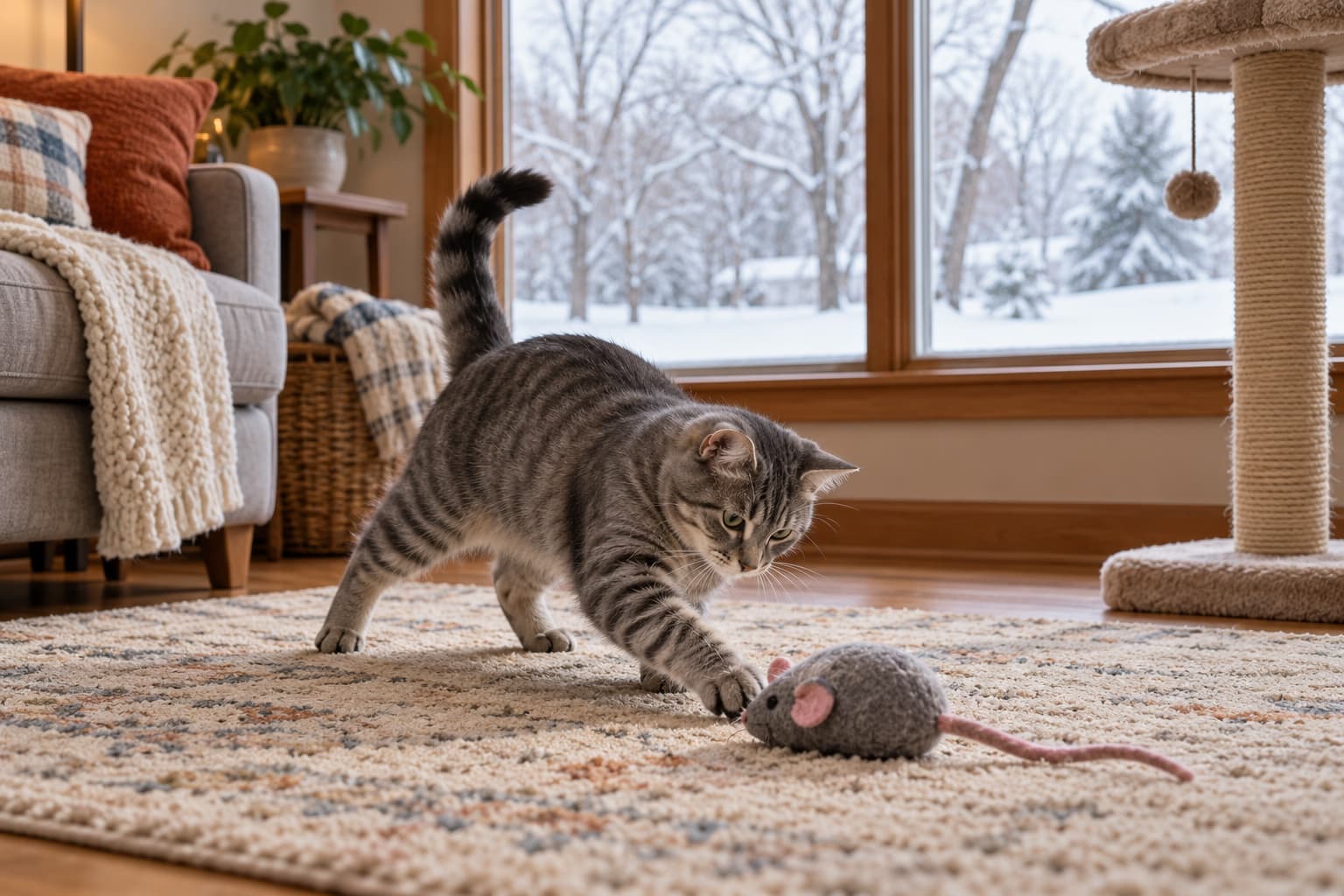
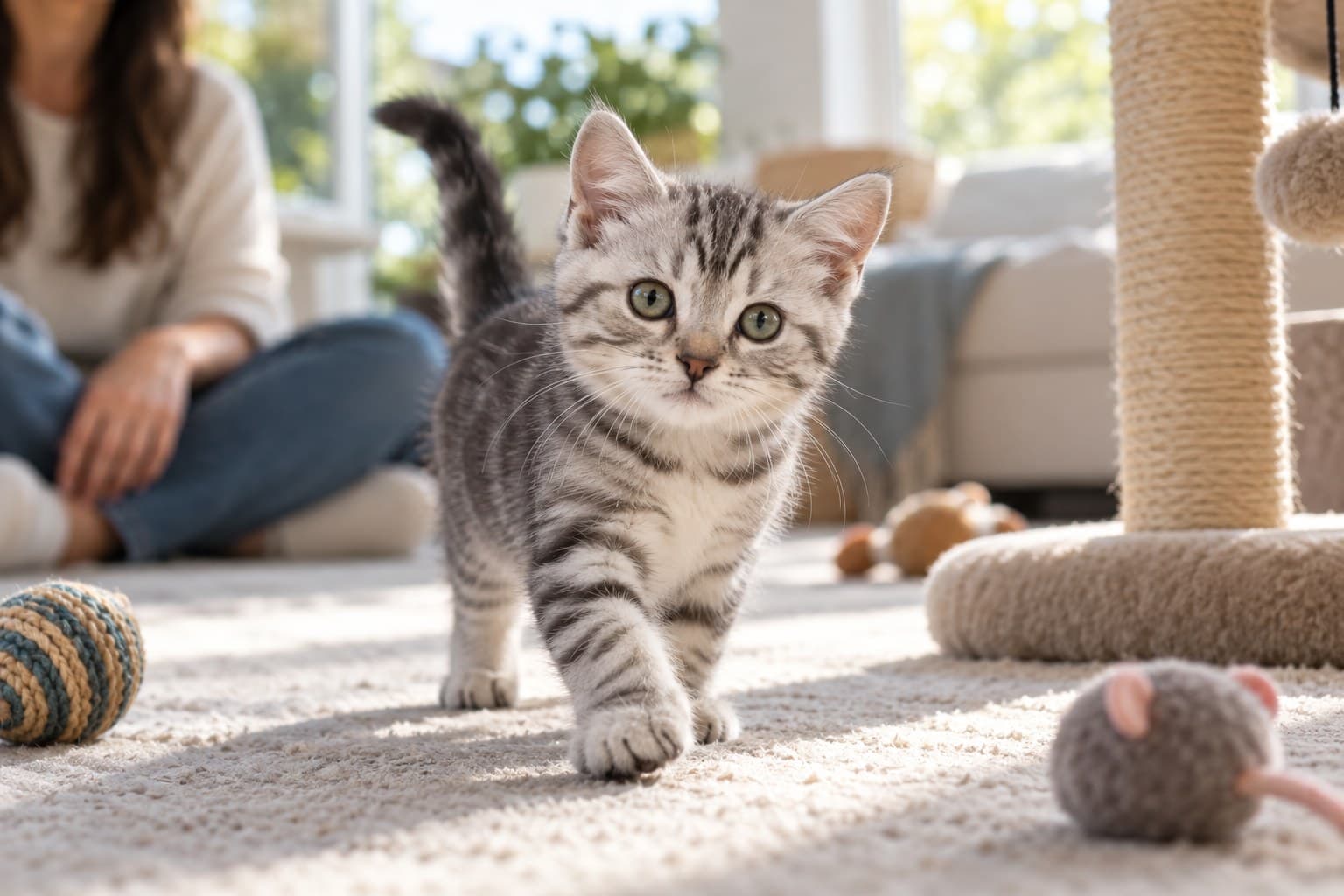
Offer stable climbing furniture suitable for the cat's weight and secure windows or balconies. Choose toys that encourage chasing and pouncing without using hands or feet as targets. Put string and wand toys away after supervised play.
Feed a complete diet
Siberians need a complete cat food suited to age and health, not a special menu of beef and unlimited river fish. Meat or fish alone does not provide the required nutrient balance. Raw fish, bones and improvised supplements introduce additional risks.
Avoid assuming an egg yolk or a particular vegetable is necessary for a healthy coat. The overall diet and the cat's health matter more. If home-prepared food is desired, use an exact recipe formulated by a qualified veterinary nutrition professional.
Measure portions and review body condition beneath the coat. Weigh the cat regularly, count treats and discuss unexplained weight change or persistent digestive problems with a veterinarian.
Keep water and temperature comfortable
Fresh water should be available at all times, in clean bowls or a well-maintained fountain. Refresh it whenever dirty and often enough to remain appealing. There is no universal rule that a room reaching 20 degrees requires exactly four water changes daily.
Provide shade and comfortable indoor temperatures, and let the cat choose its resting place. Marked panting, weakness or breathing difficulty warrants urgent veterinary advice rather than simply offering another bowl of water.
Groom regularly and gently
Check and comb the coat regularly, with extra attention during shedding and wherever tangles form. Monthly grooming alone may be insufficient. Work gently through small sections and avoid pulling at mats close to the skin.
The belly, armpits and areas behind the ears may need particular attention. If the cat resists, shorten sessions and reward brief cooperation. Ask a groomer or veterinary team for help with tight mats; scissors close to delicate skin can cause serious cuts.
Do not assume every coat problem is simply a feature of long hair.
Bathing is occasional, not automatic
Many healthy cats rarely need a full bath. When cleaning is necessary, use a cat-appropriate product, comfortably warm water and secure footing. Human baby shampoo is not an automatic substitute, and cotton swabs should not be pushed into the ears.
Rinse and dry carefully without overheating or prolonged restraint. Avoid unapproved grooming powders and fragrances that the cat may inhale or lick. If the coat is contaminated with a potentially toxic substance, obtain veterinary advice promptly about the correct cleaning method.
Parasite prevention must be precise
Use only a product labeled for cats of the appropriate age and weight, at its specified interval. The FDA's flea and tick product guidance stresses following labels and seeking advice when choosing treatments. Applying a spot-on weekly without checking the product is unsafe.
Some dog flea treatments, particularly those containing permethrin, can be highly toxic to cats. Placement at the back of the neck does not make every chemical harmless or prevent all exposure. Do not combine products or repeat a dose early without veterinary guidance.
Maintain a complete care plan
Check teeth, nails, eyes and ears during calm handling, and keep vaccinations and parasite plans current. Ask a breeder about relevant health screening and family medical history before purchase. No coat type guarantees that a cat will not trigger allergies.
A comfortable Siberian needs both activity and uninterrupted rest. Adapt the home and routine as it matures, and seek help for changes in appetite, breathing, mobility or behavior. Attentive daily observation is more useful than assuming a robust-looking cat will always remain well.