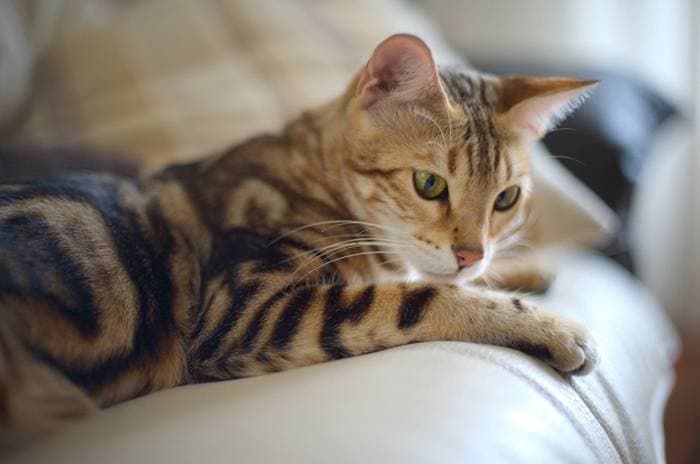
The Bengal is a cat breed developed from domestic cats and the Asian leopard cat, a small wild cat. The Asian leopard cat is not a leopard. Modern pedigree Bengals intended as companions come from established breeding lines, but ancestry and registration requirements matter when assessing a particular animal. A spotted appearance alone does not prove that a cat is a Bengal.
Understand the breed's background
The Cat Fanciers' Association's Bengal profile describes the breed's development and the generations of breeding behind today's cats. Do not confuse an established companion Bengal with a recent wild-cat cross. If ancestry affects local ownership or travel requirements, check the rules with the relevant authority before acquiring or moving the animal.
Bengals can have spotted, rosetted or marbled patterns, with several recognized colors. Silver and snow descriptions are not interchangeable. Registration standards explain these distinctions for showing, but a particular marking does not tell you how affectionate, healthy or easy to live with a kitten will become.
Prepare for activity and curiosity
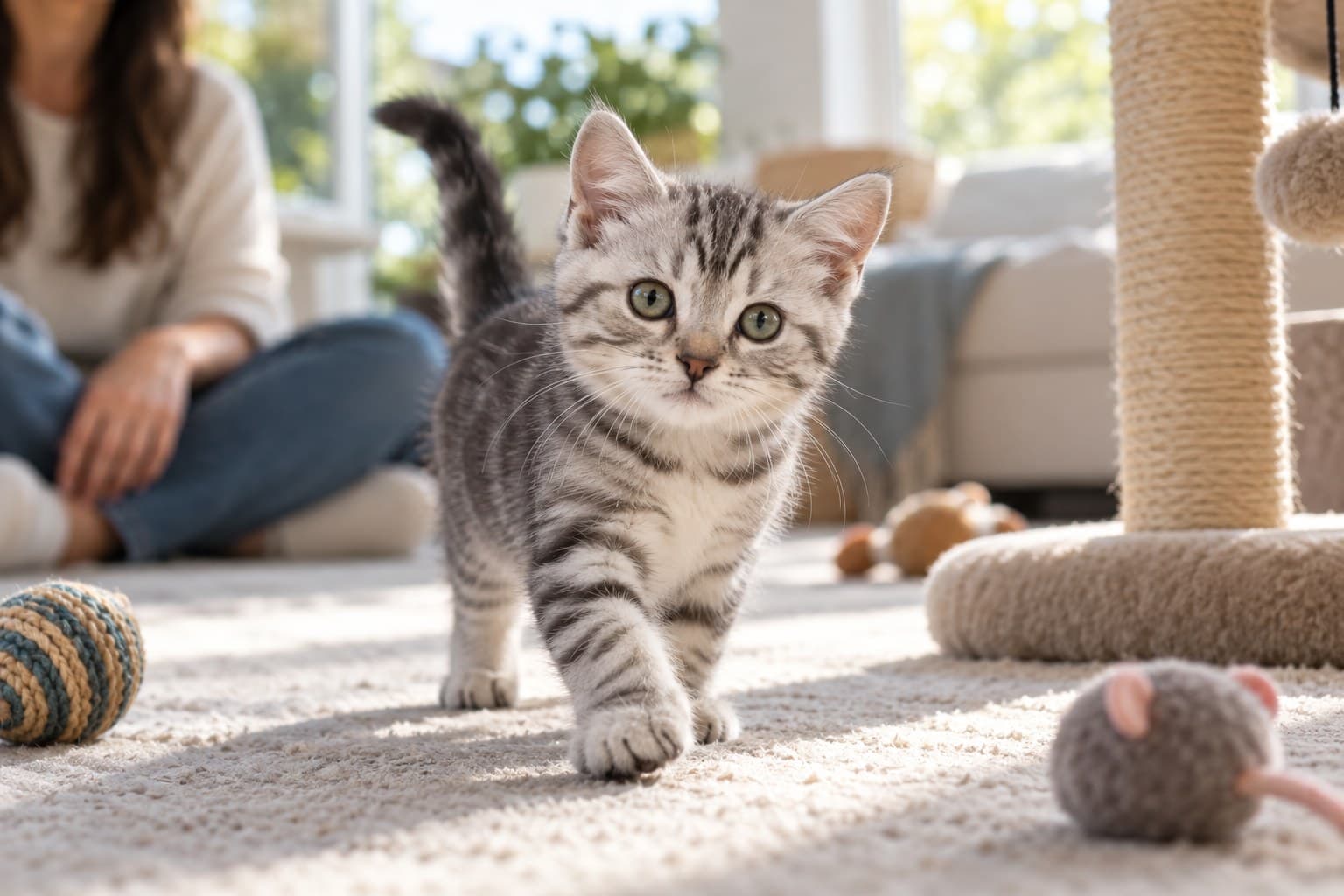
Many Bengals enjoy climbing, exploring and interactive play. Provide sturdy shelves or cat trees, scratching surfaces and places to hide. Check that furniture is stable and that high routes do not lead to an open window, unsafe balcony or hot cooking surface.
Rotate a few safe toys and offer short play sessions that include stalking, chasing and catching. Put strings, ribbons and wand toys away afterward. Small loose parts can be swallowed, and a curious cat may investigate cupboards or packaging that other cats ignore. Secure cleaning products, medicines and foods that should remain inaccessible.
Food puzzles can make part of a meal more engaging. Begin with an easy version and watch whether the cat can use it comfortably. Do not make access to all food depend on solving a difficult puzzle, particularly for a kitten, an older cat or an animal with a medical condition.
Social does not mean endlessly available
A Bengal may enjoy company without wanting to be picked up or held tightly. Let the cat approach, watch for signs of discomfort and stop handling before it struggles. Tail lashing, tense posture or attempts to move away deserve a response. Avoid clapping near the face, spraying water or using physical corrections.
If biting or defensive behavior appears suddenly, consider pain or illness as well as the situation. Provide distance and ask a veterinarian or qualified feline behavior professional for help. Lack of attention does not literally turn a domestic Bengal into a wild animal, and describing unwanted behavior that way obscures the causes you can address.
Introduce visitors and other pets gradually. In a multi-cat home, spread food, water, litter trays and resting places between locations. A cat should not need to pass an intimidating housemate to reach every resource. Separate spaces can make introductions safer and reduce competition.
Outdoor experiences are optional
Some Bengals learn to walk in a harness, while others find the experience stressful. Begin indoors with secure, well-fitted equipment and short rewarded steps. Use a harness rather than attaching a walking lead only to a neck collar. Never drag a reluctant cat along or assume confidence indoors will transfer to traffic and unfamiliar dogs.
A secure outdoor enclosure may suit the household better. Indoor cats can also lead satisfying lives with appropriate enrichment and interaction. Keep identification details current and check doors and windows, since curiosity can turn a momentary opening into an escape.
Coat, teeth and everyday handling
A short coat often needs only gentle routine brushing, but shedding and individual care needs vary. Check nails and introduce trimming gradually, asking for a demonstration if you are unsure. Provide scratching surfaces even when nails are trimmed; scratching is normal behavior, not merely a way to sharpen claws.
Use cat-safe toothpaste if brushing is tolerated and arrange dental checks. Bones and hard objects are not a substitute for dental care and can injure teeth. Inspect ears without inserting cotton swabs into the canal, and seek advice for redness, odor, discharge or persistent scratching.
Enjoyment of water varies between cats. Routine bathing is unnecessary for many healthy Bengals, and handling should remain gentle.
Feeding and health records
Choose a complete diet suitable for life stage and health. A Bengal does not automatically need a special homemade or raw diet because of its ancestry. Persistent digestive problems need assessment rather than a permanent assumption that every member of the breed has a sensitive stomach. Measure food, include treats in the total and follow body condition over time.
Ask a breeder for relevant inherited-disease screening and parental health information. Discuss heart screening and the limits of genetic tests with your veterinarian; no single test covers every potential problem. Obtain vaccination, parasite-treatment and identification records, and review the purchase or adoption agreement.
Before committing, meet the individual and consider how your schedule fits its need for activity and company. A rescue may help identify an adult whose behavior is already known.