The Burmese is a short-coated cat breed associated with Southeast Asian ancestry and modern breeding in the United States and Britain. Accounts of its development commonly refer to Wong Mau, a cat brought to the United States in 1930. The breed's history should not be confused with a simple story in which every dark kitten became a separate breed overnight.
The CFA Burmese profile describes a compact, muscular cat with a close, glossy coat. Burmese and European Burmese are treated separately by some registries, and standards differ between organizations. When researching a pedigree or show prospect, use the standard for the relevant registry rather than combining descriptions from different systems.
Appearance and color
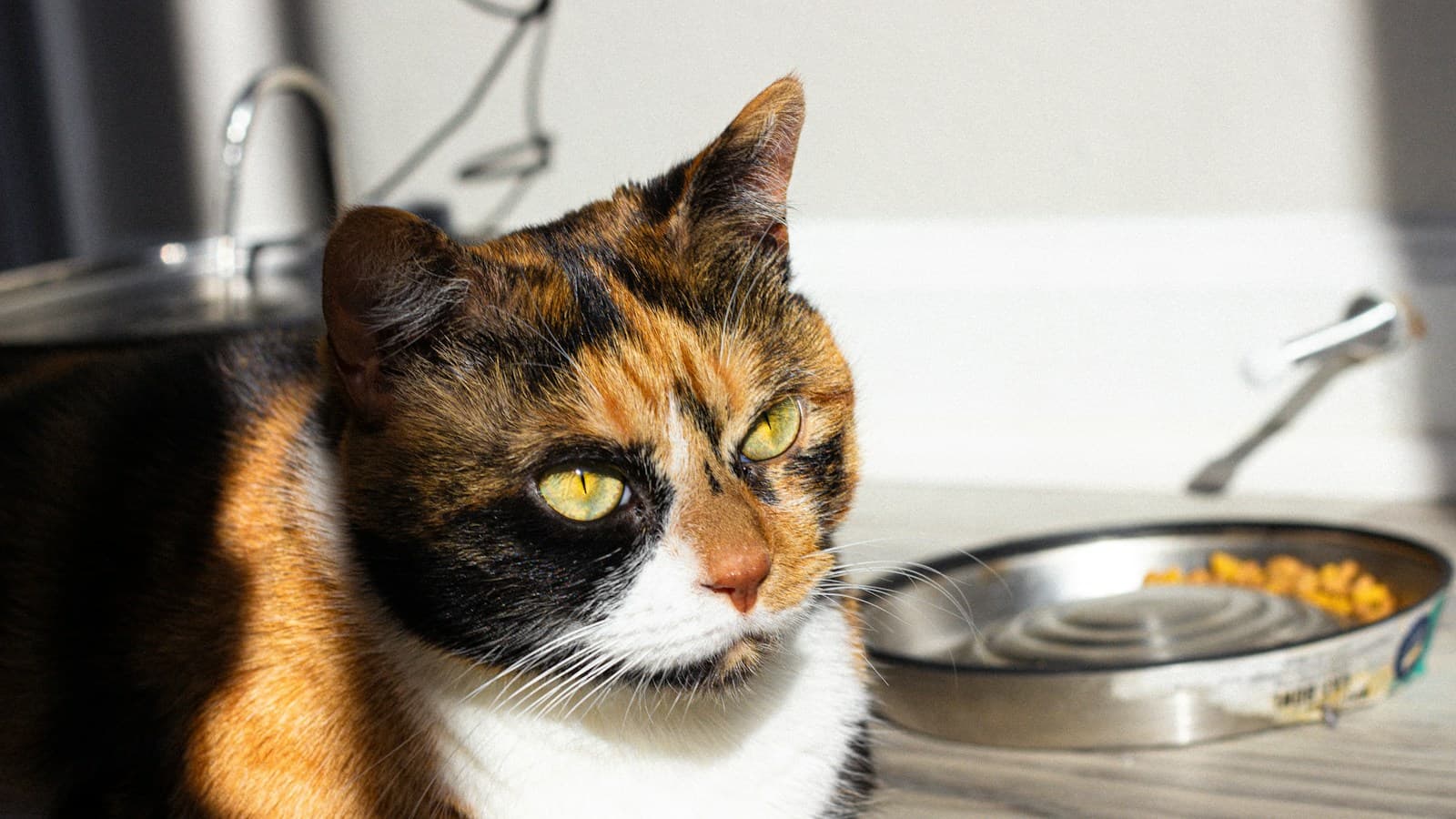
In CFA terminology, Burmese colors include sable, champagne, blue and platinum. Other organizations may use different names or recognize a wider range. Words such as platinum describe color categories, not the animal's monetary value. A fashionable shade is not evidence of better health or a more affectionate temperament.
Eye color is generally described in yellow-to-gold tones in Burmese standards. An article that says these cats always have green eyes while also calling green eyes a fault is contradictory. Kitten appearance can change with development, and show criteria should not be mistaken for a judgment about a pet's ability to enjoy a good life.
Meet the individual
Burmese are often described as people-oriented, but every cat has its own preferences. Some enjoy close contact and others choose company from a nearby perch. Allow the cat to approach and leave freely. Children need guidance about handling, and a cat should have a retreat where it is not pursued.
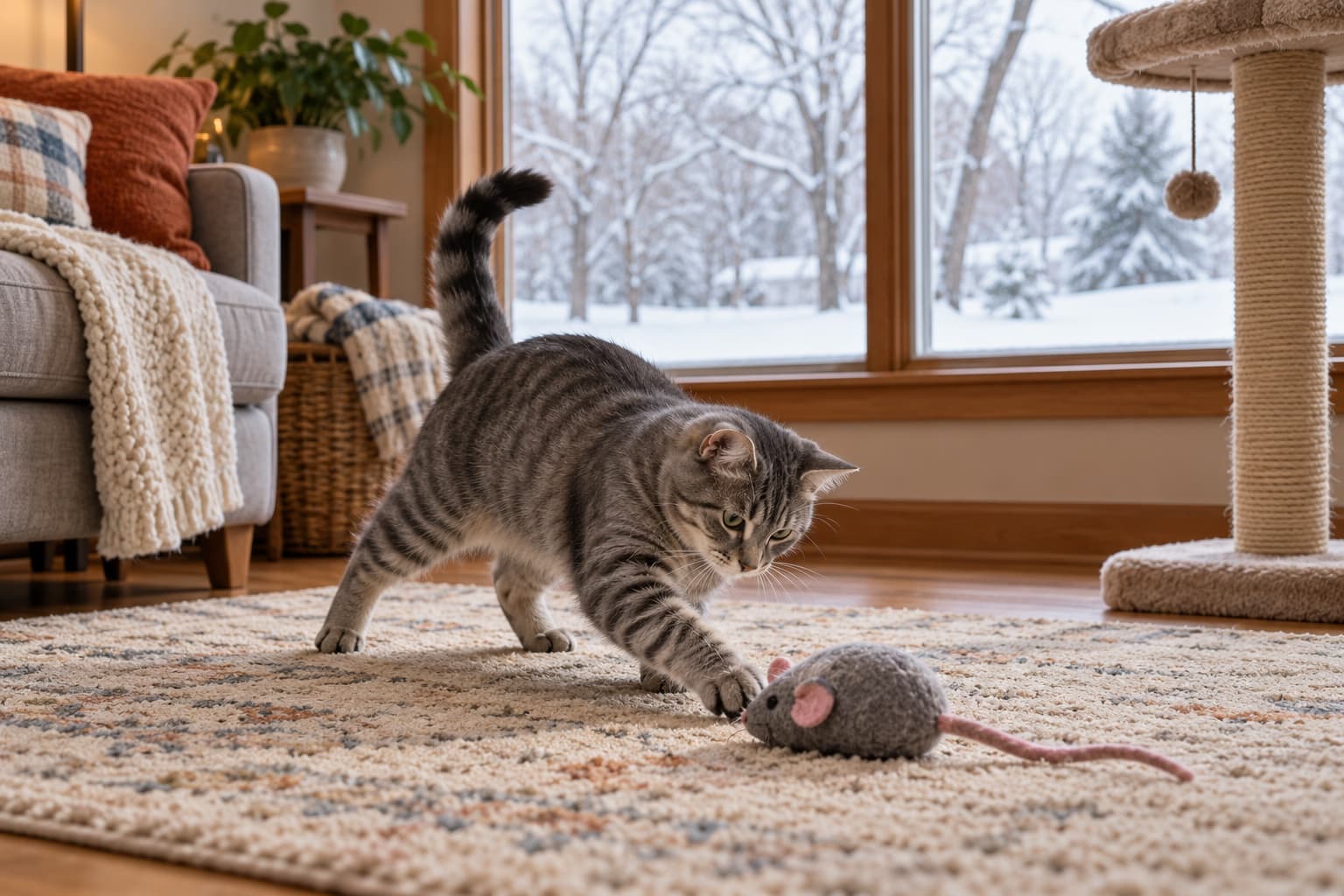
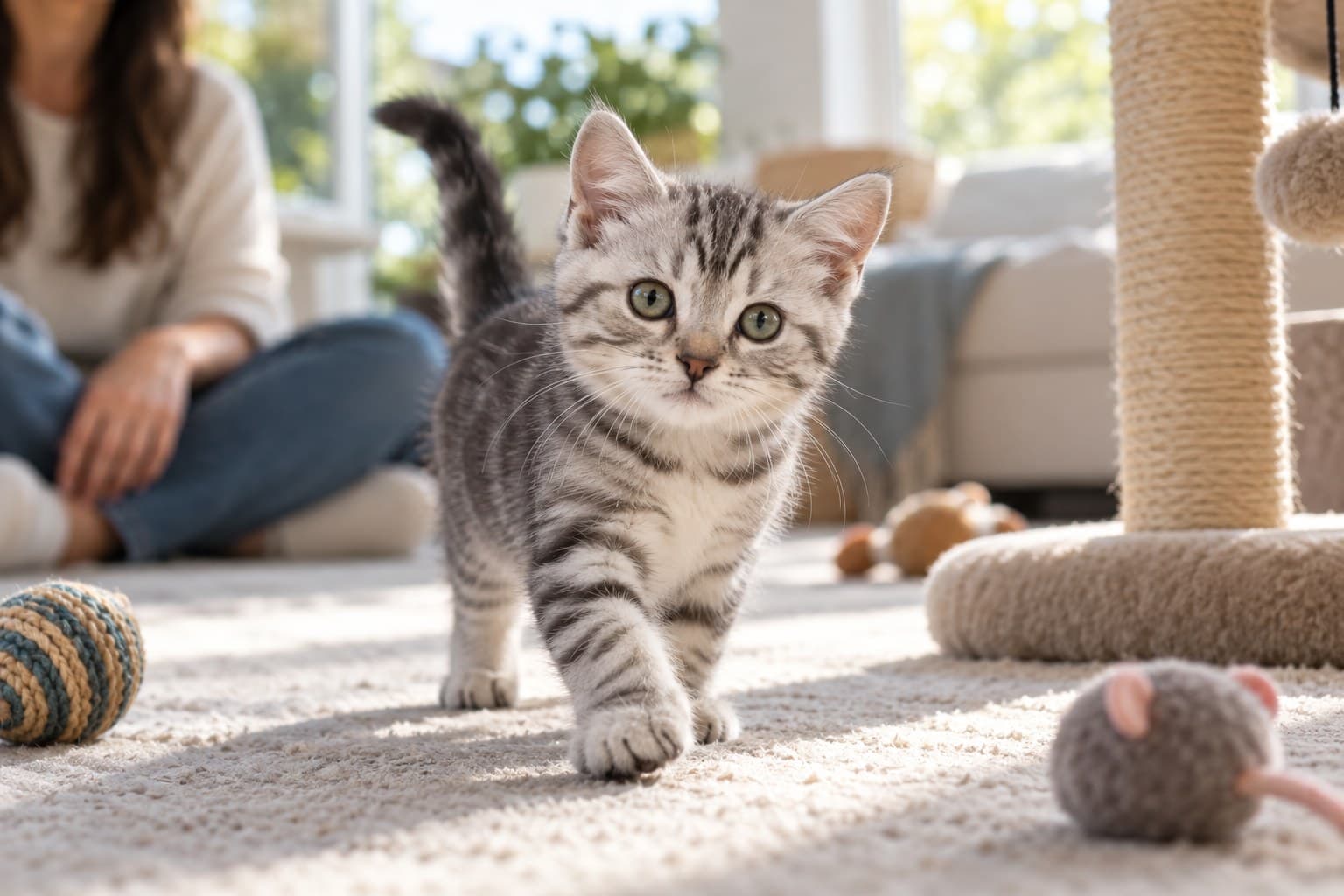
Provide climbing places, scratching surfaces and interactive play suited to the cat's interests. Keep strings and small detachable toy parts out of reach when unsupervised. A social reputation does not remove the need to plan care during absences or to introduce other pets slowly. Compatibility should be assessed rather than promised from the breed name.
Routine care and health
The short coat usually needs straightforward maintenance, but inspect the skin and notice changes in grooming. Introduce dental care, nail checks and carrier travel gradually. Persistent bad breath, reluctance to eat or a sudden dislike of being touched warrants veterinary attention rather than a change in grooming technique alone.
Ask breeders about relevant screening, close relatives and the kitten's veterinary records. Different health tests answer different questions; a general examination and a DNA panel are not interchangeable. Review results with your own veterinarian and budget for routine and unexpected care. No pedigree can guarantee freedom from illness.
Choosing responsibly
Meet the kitten or adult where possible and ask how it behaves in ordinary situations. Seek clear information about diet, litter habits, handling and support after placement. Avoid judging a cat solely by a color description, exhibition title or seller's claim of rarity. A suitable Burmese companion is one whose care needs and temperament fit the household you can offer.
Keep registration documents and health reports together, including dates and the identities of the cats tested. This makes later questions easier to resolve.