The Bengal is a domestic cat breed developed using Asian leopard cat ancestry and domestic cats. Breeder Jean Mill played an important role in its development. The wild ancestor was a small Asian leopard cat, not a leopard, and modern pet Bengals should not be described as a separate wild species.
Understand the background
The Cat Fanciers' Association's Bengal profile describes the breed and its development. Early hybrid generations and established domestic breeding lines are not interchangeable. Ask for clear pedigree and generation information, and check local ownership and transport requirements before acquiring a cat with recent wild ancestry.
A spotted appearance alone does not prove Bengal ancestry. Many domestic cats have tabby patterns, and a seller's photograph is not a substitute for reliable records. Avoid choosing a kitten purely because it is marketed as rare, exotic or unusually expensive.
Appearance and personality
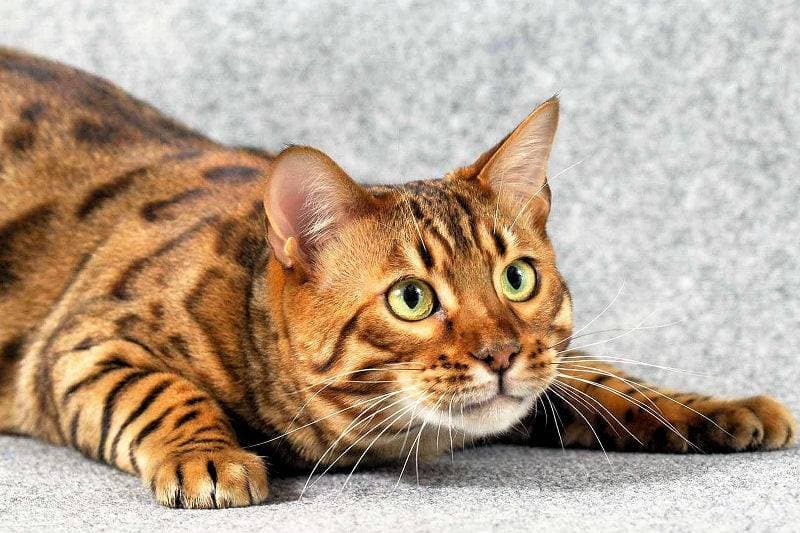
Bengals are generally muscular, active cats with patterned coats that may be spotted or marbled. Rosettes are a recognizable feature in some cats, but markings vary. Size differs between individuals, and a single weight claim should not be treated as a breed requirement.
Many enjoy climbing, interactive play and exploring. Some show interest in water, but this does not mean every Bengal wants a bath or should be placed in one. Vocal behavior and tolerance of handling also vary; a breed label cannot guarantee a quiet or endlessly sociable pet.
Provide an engaging home
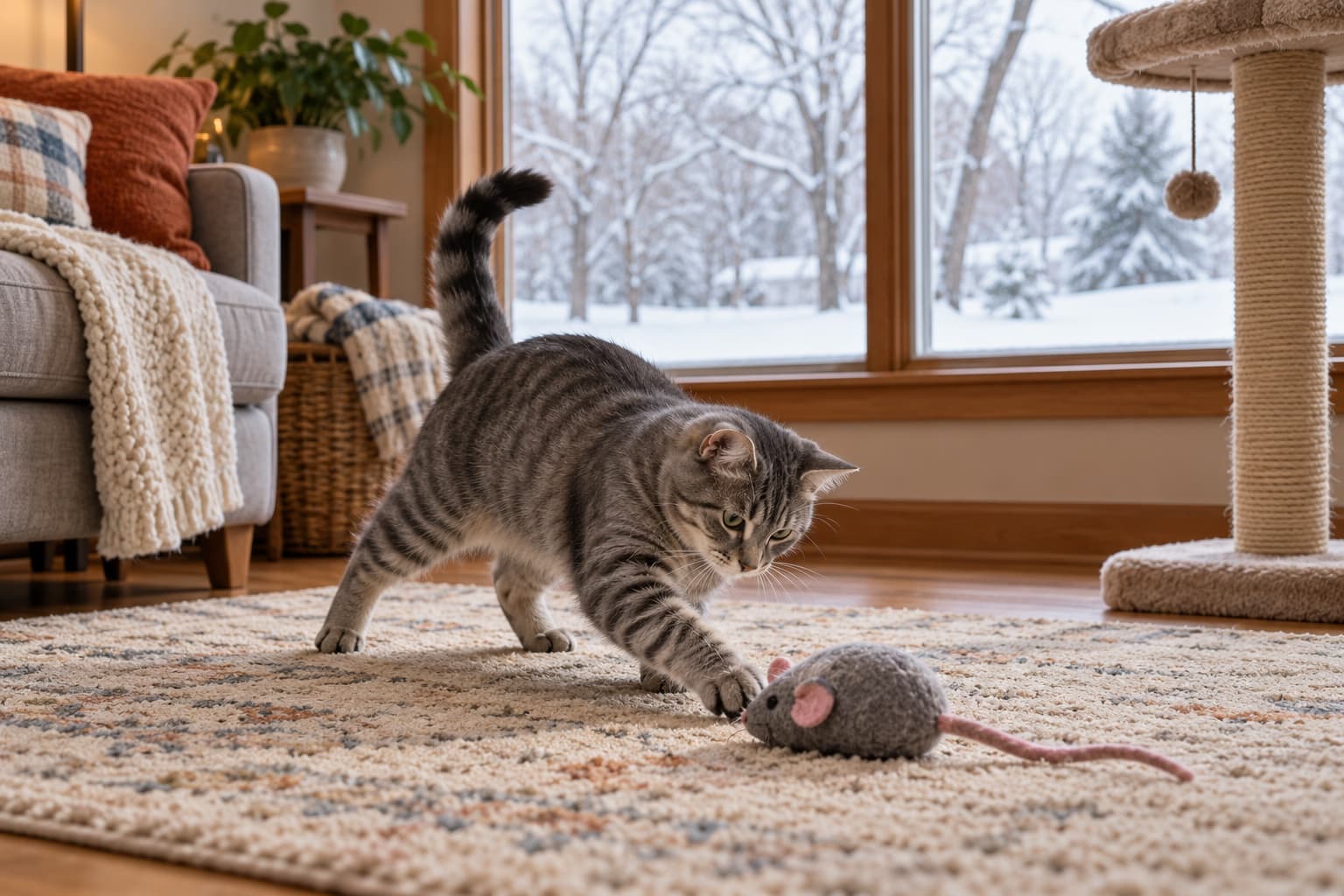
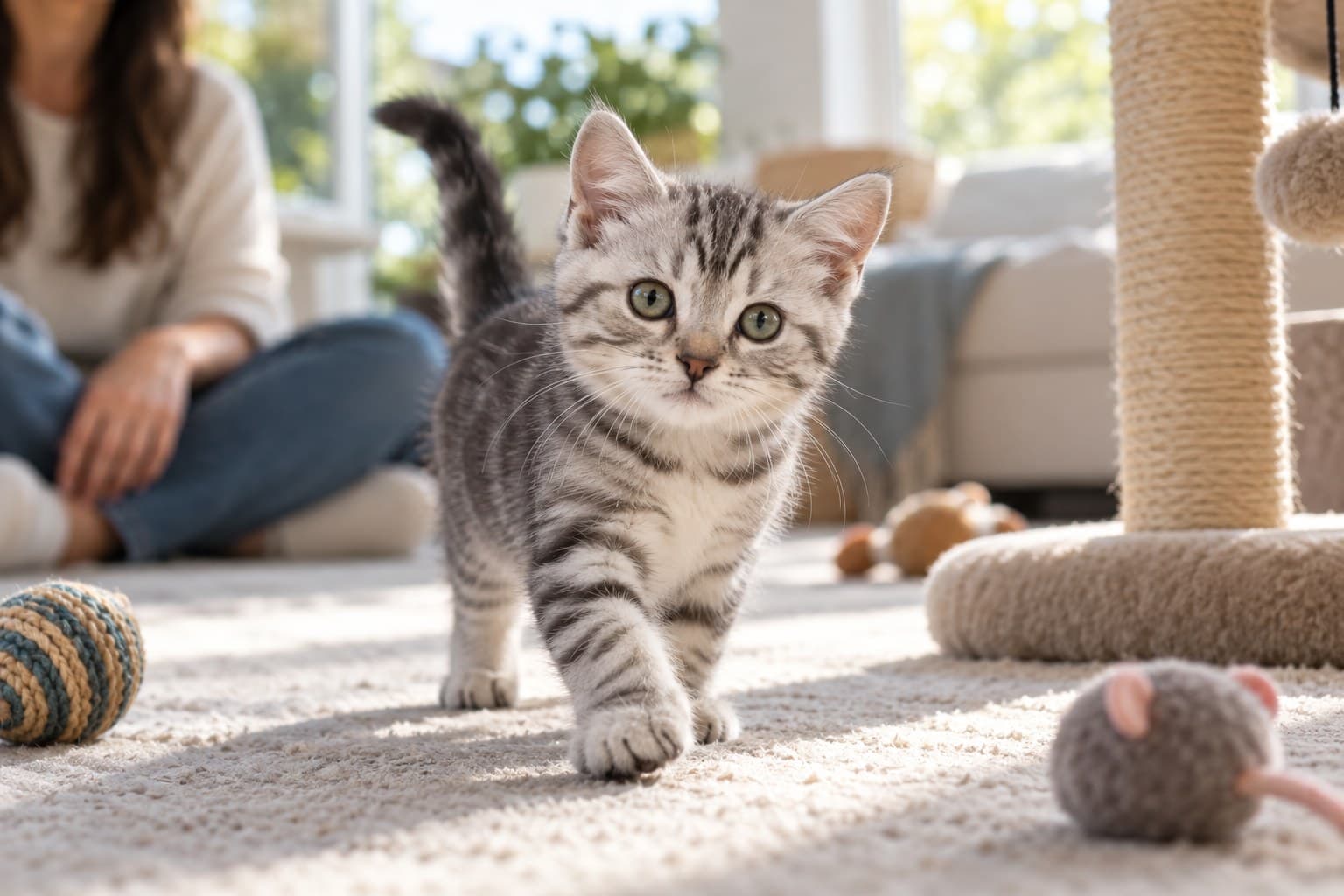
Offer stable climbing structures, scratching surfaces, hiding places and daily opportunities for play. Rotate safe toys and allow the cat to stalk and catch suitable play objects. Avoid using hands as targets, and supervise toys with strings or small detachable parts.
A secure outdoor enclosure or carefully introduced harness activity may offer variety where suitable. Unrestricted roaming brings risks from traffic, conflict, disease and wildlife encounters, not only theft. Check windows, balconies and doors for escape hazards.
Keep care practical
A short coat generally needs less grooming than a long dense coat, but regular gentle brushing still helps inspect skin and remove loose hair. Check nails and teeth, and seek advice for persistent eye or ear discharge rather than applying products routinely.
Feed a complete diet appropriate to life stage and monitor body condition. An active cat is not immune to excess weight. Measure portions and include food rewards in the daily total.
Ask about health and early care
Request veterinary records and relevant inherited-disease screening from a responsible breeder. Ask how kittens have been raised, what food they eat and how they respond to ordinary handling. For an adopted adult, obtain available medical and behavior history.
Arrange an initial examination and allow time to settle into a quiet, predictable space. Build contact gradually and respect retreat choices. The best match is a household that enjoys meeting an active cat's needs every day, rather than expecting the coat pattern to come with a guaranteed personality.