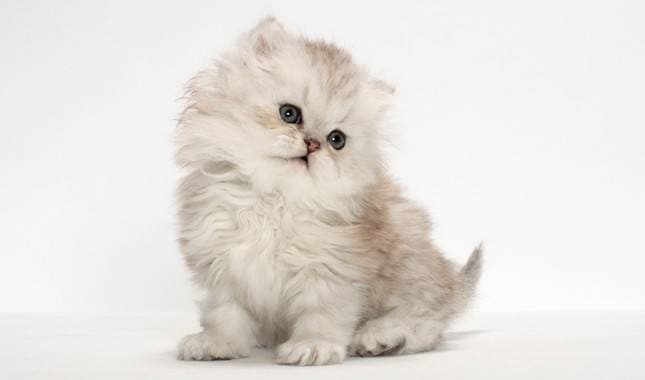
A Persian kitten can be an appealing companion, but its long coat and facial structure make careful selection especially important. Choose for comfortable breathing, healthy eyes and a suitable temperament, not simply a dramatic face or abundant fur. A thoughtful decision begins before you visit a litter.
Assess the source of the kitten
Look for a breeder who welcomes questions, explains how kittens are raised and provides identifiable veterinary and parent health records. A breed club can help you find information, but membership alone is not a guarantee of responsible practice. Online advertisements also require careful checking rather than automatic trust or dismissal.
Ask to see the kitten's living environment and, where possible, its mother. Look for clean, comfortable surroundings, appropriate resources and relaxed handling. If a meeting cannot take place there, obtain a clear explanation and independently verify the arrangements. Pressure to pay quickly, inconsistent details or missing records are reasons to pause.
Check the written agreement and support offered. A pedigree documents ancestry, not freedom from disease.
Age and social development
Ask how the breeder decides when each kitten is ready to leave. Responsible placement allows time for weaning, veterinary care and learning with the mother and littermates. Many pedigree breeders place kittens around twelve to fourteen weeks or later, depending on their policies and the kitten's development.
An older kitten is not automatically a risky choice. Cats can form new attachments beyond three months, and a settled young adult may suit some households very well. Consider the individual's experiences and needs rather than treating a single birthday as the last chance for successful adjustment.
Ask about gentle grooming, carrier exposure, normal household sounds and contact with people. A kitten may be cautious during a first meeting without having an unsuitable temperament. Observe without cornering, startling or repeatedly picking it up to test its reaction.
Health questions specific to Persians
Cornell's information on polycystic kidney disease explains an inherited condition associated with Persians. Request relevant parent screening results and ask a veterinarian to interpret anything unclear. General assurances that the parents look healthy are not equivalent to documented testing.
Watch for comfortable breathing at rest and during gentle activity. Persistent snorting, open-mouth breathing, eye pain or difficulty eating should not be accepted as charming breed features. Ask about the parents' respiratory and eye health and avoid choosing exaggerated facial features at the expense of function.
Look at the coat, skin, ears and area under the tail for cleanliness and signs of irritation. A cool, wet nose does not prove health, and a dry nose alone does not diagnose disease. Arrange an independent veterinary examination and bring the existing vaccination and parasite-treatment records.
Grooming and household fit
A Persian's coat needs regular, careful combing to prevent mats close to the skin. Ask for a demonstration and try a brief, gentle session with guidance. Budget for professional help if needed. Do not assume a kitten with a tidy coat will maintain it without daily attention as it matures.
Consider how the cat will live with children and other pets. Provide a protected resting area and plan gradual introductions. Children should invite contact and respect the cat's attempts to leave. Coat color and sex cannot guarantee affection, confidence or tolerance of handling.
Discuss neutering with your veterinarian if you are choosing a companion. Male cats can spray, and females can show marked behavior changes during heat, but individual behavior is not determined by sex alone. Breeding requires additional health, welfare and practical preparation.
Prepare for the first days
Set up a quiet room with familiar food, water, litter, bedding and hiding places. Keep the feeding routine stable initially and make any dietary change gradually. Let the kitten explore at its own pace and keep visits manageable.
Collect written care instructions and contact details before bringing the kitten home. Plan who will provide meals, grooming and company during the working week. Choosing a Persian is a commitment to ongoing care, and honest information from the breeder helps you decide whether that commitment fits your life.