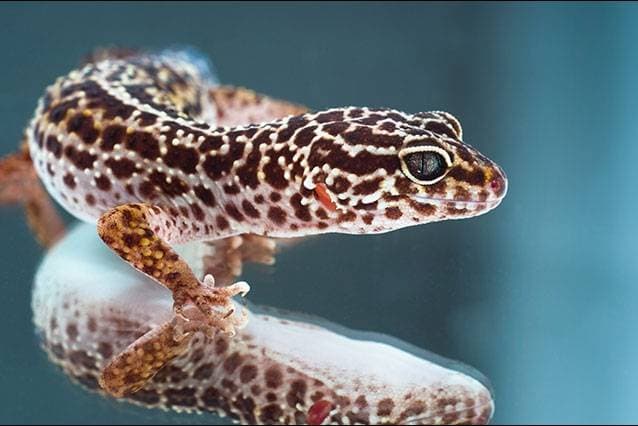
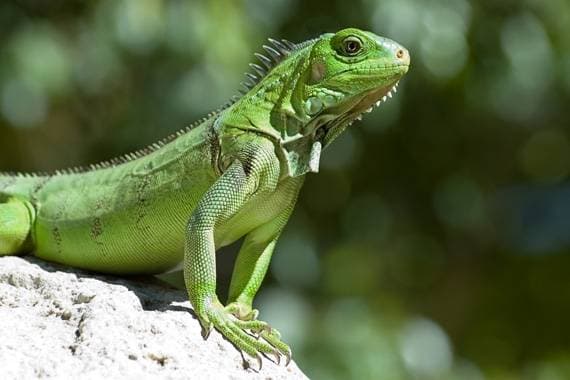
Lizards have very different care needs. A leopard gecko, bearded dragon and green iguana cannot share one general feeding or enclosure plan. Before acquiring a lizard, identify its species, expected adult size and lifespan, and find a veterinarian experienced with reptiles.
Build the enclosure around the species
Ground-dwelling lizards need usable floor space, while climbing species also need height and secure branches. There is no universal maximum enclosure height of 50 centimeters. Allow room for movement, ventilation, hiding places and cleaning. Fit secure doors and lids, and check that furnishings cannot fall or trap the animal.
Choose substrate according to the species, age and health of the lizard. Some substrates hold moisture; others suit dry conditions. Loose material can cause problems when swallowed, and poor hygiene can encourage infection. Ask for species-specific guidance rather than assuming that sand or wood chips are suitable for every reptile.
Measure heat, light and humidity
Provide a temperature gradient so the lizard can move between warmer and cooler areas. Use suitable measuring equipment at the animal's level, and control heat sources with an appropriate thermostat. Guard hot surfaces to prevent burns. The correct basking temperature and nighttime conditions depend on the species.
Many lizards need correctly installed UVB lighting to support normal calcium metabolism. Lamp type, distance, mesh and access to shaded areas affect exposure. Follow the lamp manufacturer's replacement guidance even if the bulb still produces visible light. Ordinary window glass blocks useful UVB, so a sunny windowsill is not an adequate substitute.
Measure humidity with a hygrometer and provide the moisture conditions the species requires. Ventilation remains important even in a humid enclosure. Offer drinking water in a suitable form, keep containers clean and replace soiled water promptly.
Feed the right diet
Some lizards eat insects, others mainly plants, and some need a mixture that changes with age. Baby food, cereals and random table scraps are not a universal reptile diet. Choose an established feeding plan for the exact species, including appropriate portion sizes and frequency.
For insect-eating lizards, use suitable feeder insects, feed the insects nutritious food before offering them, and follow veterinary guidance on calcium and vitamin supplements. More supplement is not always better. Remove uneaten live insects when necessary so they cannot bite or disturb the lizard.
Handling and daily observation
Allow a new lizard time to settle. Support its body gently, keep handling short and never grab it by the tail. Some species tolerate handling; others are better observed. Wash your hands after touching reptiles or their equipment and keep enclosure supplies away from food-preparation areas.
Record appetite, droppings, shedding and activity. Persistent food refusal, weakness, swelling or difficulty moving needs veterinary assessment, not just a change of food. Bring enclosure measurements and photographs to the appointment so the veterinarian can assess husbandry alongside the animal's health.